How Long Do Eggs Last in the Fridge?
Understanding Shelf Life: How Long Do Eggs Last in the Fridge?
Few kitchen staples are as versatile as the egg. Knowing how long eggs keep matters for food safety and for reducing waste. Raw, store-bought eggs in the shell keep 3 to 5 weeks in the refrigerator. Store them in their carton on a shelf in the main body of the fridge, not in the door, where the temperature changes every time it opens. But what about other kinds of eggs?
How Long Do Fresh Farm Eggs Last in the Fridge?
Unwashed farm eggs still have their "bloom," a natural coating that helps keep bacteria out of the shell. Once eggs have been refrigerated, keep them cold, and plan to use them within the same 3 to 5 weeks as store-bought eggs. Cooked eggs keep for a shorter time. How long do hard-boiled eggs last in the fridge? Eat them within a week. How long do scrambled eggs last in the fridge? About 3 to 4 days. How long do egg whites last in the fridge? Raw egg whites, like raw yolks, should be used within 2 to 4 days.
The Float Test: How to Tell if Your Eggs Have Gone Bad
Before you cook an egg or toss it in the compost, check its freshness. The best-known method is the float test. Fill a bowl with cold water and gently place the egg in it. If it sinks and lies flat on its side, it is very fresh. If it stands upright on the bottom, it is older and should be used soon. If it floats, the air cell inside has grown large, a sign that the egg is old. The float test shows age, not safety, so check a floating egg with the steps below or discard it.
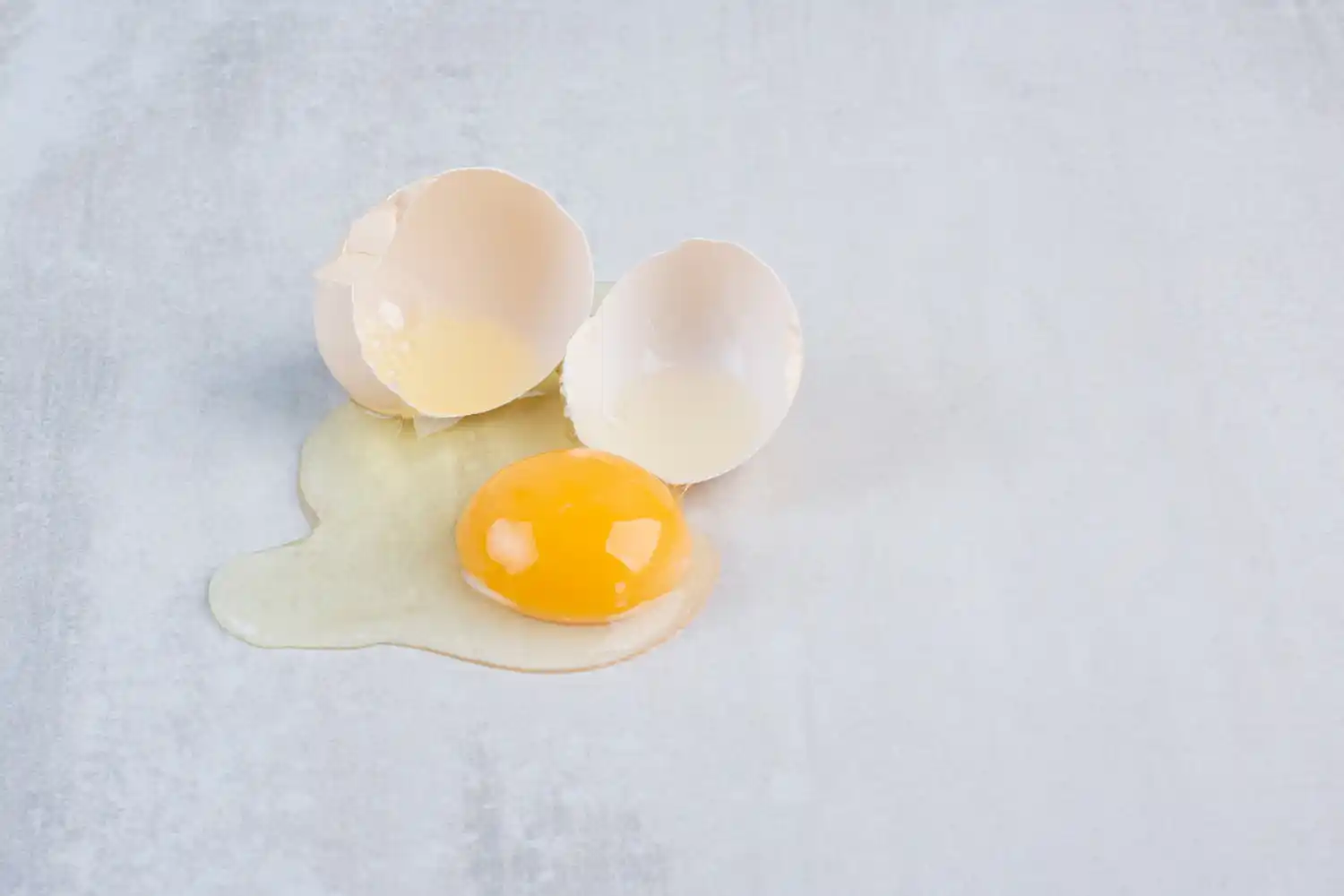
Your senses are the next check. Crack the egg into a separate bowl: a fresh egg has a firm, domed yolk and a thick white that does not spread much, while an older egg has a flatter yolk and a runny white. Most important, use your nose. A spoiled egg has a strong sulfur smell as soon as it is cracked. If you notice an off smell or any discoloration in the yolk or white, do not eat the egg; compost it instead.
Don't Throw Them Away: Can You Compost Expired Eggs?
Finding a carton of expired eggs at the back of the fridge often means a trip to the trash can, but eggs can be composted. Raw eggs are rich in protein and nitrogen, and the shells are mostly calcium carbonate. In a backyard compost pile, though, whole eggs can smell and attract pests such as rodents and raccoons, which is why many gardeners compost only the crushed shells.
An electric kitchen composter avoids those problems. OCTOEN's ECO-05 KSN is a countertop unit with a 3 L bin that uses heat, grinding, cooling and UV-C to break down food scraps, eggs and eggshells included. It breaks down 90% of the waste, the remaining 10% is a soil amendment, and an activated carbon filter controls odors. Food scraps sent to a landfill produce methane as they break down; composting keeps them in the nutrient cycle instead.
How to Compost Eggs and Shells with OCTOEN
With the ECO-05 KSN, the process is simple. Crack expired eggs into the bin together with your other kitchen scraps, such as vegetable peels and coffee grounds, and run the machine. The shells can go in too: they add calcium carbonate, which breaks down slowly in the soil.
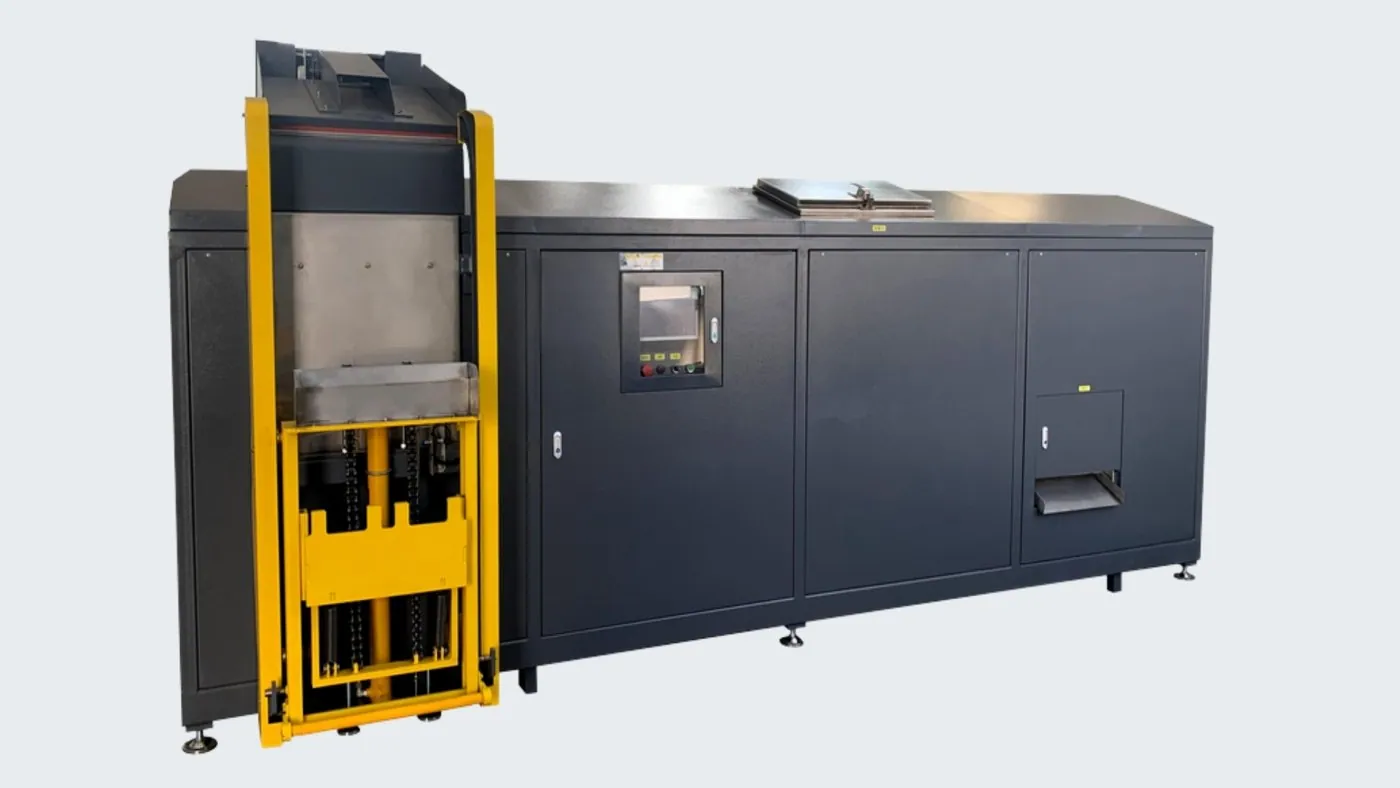
Mix the output into potting soil or garden beds as a soil amendment. For restaurants, bakeries and hotels that discard eggs and other food waste every day, OCTOEN's commercial composters run a 12-24 hour composting cycle that produces fresh compost and reduce food waste volume by up to 90%.
Closing the Loop on Food Waste
Knowing how to store eggs is about more than avoiding a bad breakfast; it is about respecting the resources that go into our food. Knowing that hard-boiled eggs last a week and raw eggs 3 to 5 weeks helps with meal planning, and a plan for the eggs you cannot use helps too. Food waste is a global problem, and part of the solution starts in your own kitchen.
When you compost expired eggs instead of throwing them away, the calcium from the shells and the nitrogen from the eggs go back into the soil, perhaps to grow the vegetables you serve with your next batch of fresh eggs. With good storage habits and a way to compost what is left, less of your kitchen's food ends up in the trash.
First published on octoen.com.
All news and blog posts