Massachusetts Food Waste Ban: Current Rules and the 2028 Proposal
_Updated November 6, 2026: checked against MassDEP and City of Cambridge sources._
Massachusetts is changing the way businesses manage their organic waste. Its Solid Waste Master Plan sets a goal of reducing solid waste disposal from 5.7 million tons in 2018 to 4 million tons in 2030. For businesses above the state threshold, separating organics is already required, and the state is weighing extending that requirement to almost the entire commercial sector. For many businesses, this means rethinking a model built on hauling to central facilities, with costs that keep rising and are hard to predict.
The roadmap: from thresholds to a general requirement
The Massachusetts Department of Environmental Protection (MassDEP) has adjusted its rules on commercial food waste step by step. Since October 1, 2014, it has banned the disposal of commercial organic material from businesses and institutions that generate 1 ton or more a week. On November 1, 2022, the threshold dropped to half a ton (0.5 tons) a week, which is the current rule.
The next step is under discussion. In December 2025, MassDEP presented its organics subcommittee with a possible first phase, no earlier than November 1, 2028, that would lower the commercial ban threshold to zero, with a possible exemption for businesses with little food waste (for example, offices with scraps from the staff lunchroom, or retailers that do not sell food). For now it is a proposal, not an adopted rule. If it is approved, food waste management will no longer be an issue only for large companies: it will reach everyone from a small city bistro to a large manufacturing plant.
Less reliance on hauling with on-site composting
The traditional model depends on outside factors. Hauling waste to central facilities exposes businesses to swings in fuel prices, rising labor costs and tipping fees that go up every year.
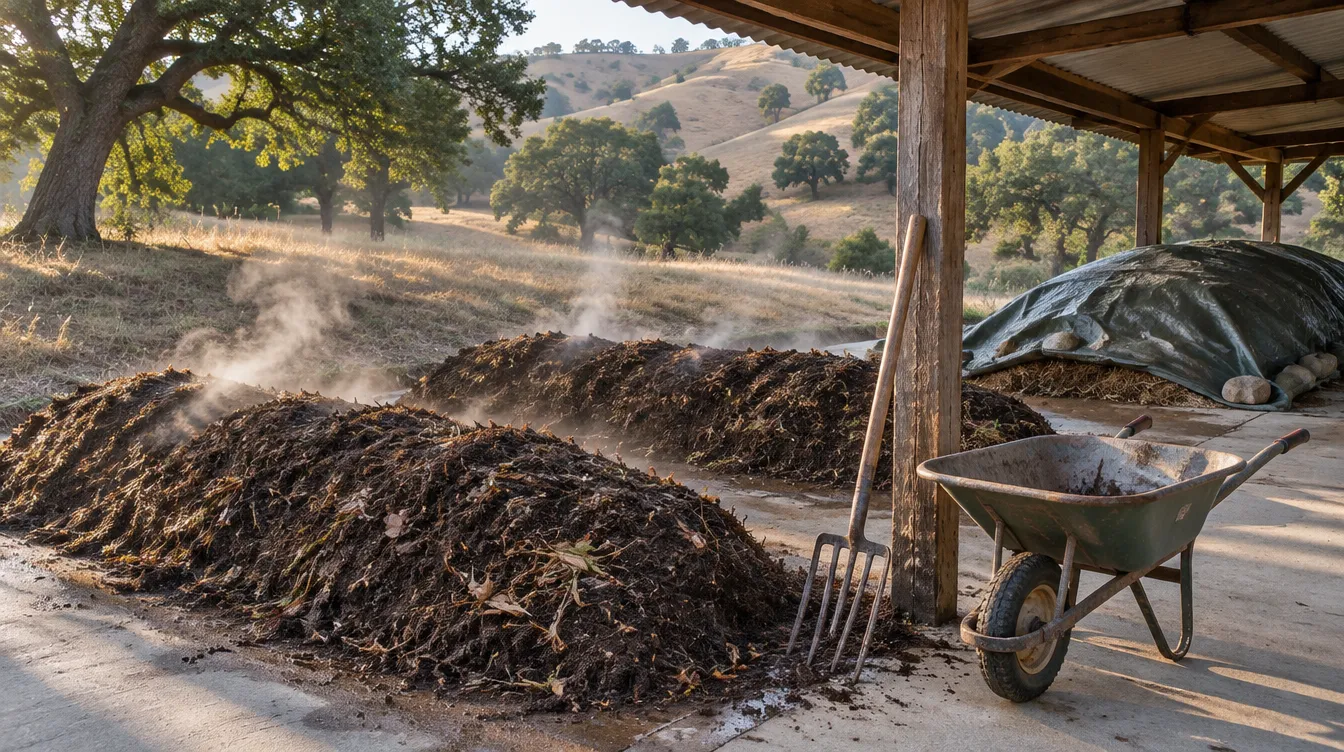
Processing organic waste where it is generated has several advantages:
- Less outside dependence: less need for collection service and for working around a third party's pickup schedule.
- Less buildup: waste does not sit waiting in outdoor containers, which helps control odors and pests.
- Less volume: OCTOEN ECO series machines reduce the volume of wet food waste by up to 90%, which frees up storage space and cuts the number of pickups.
Stricter local rules
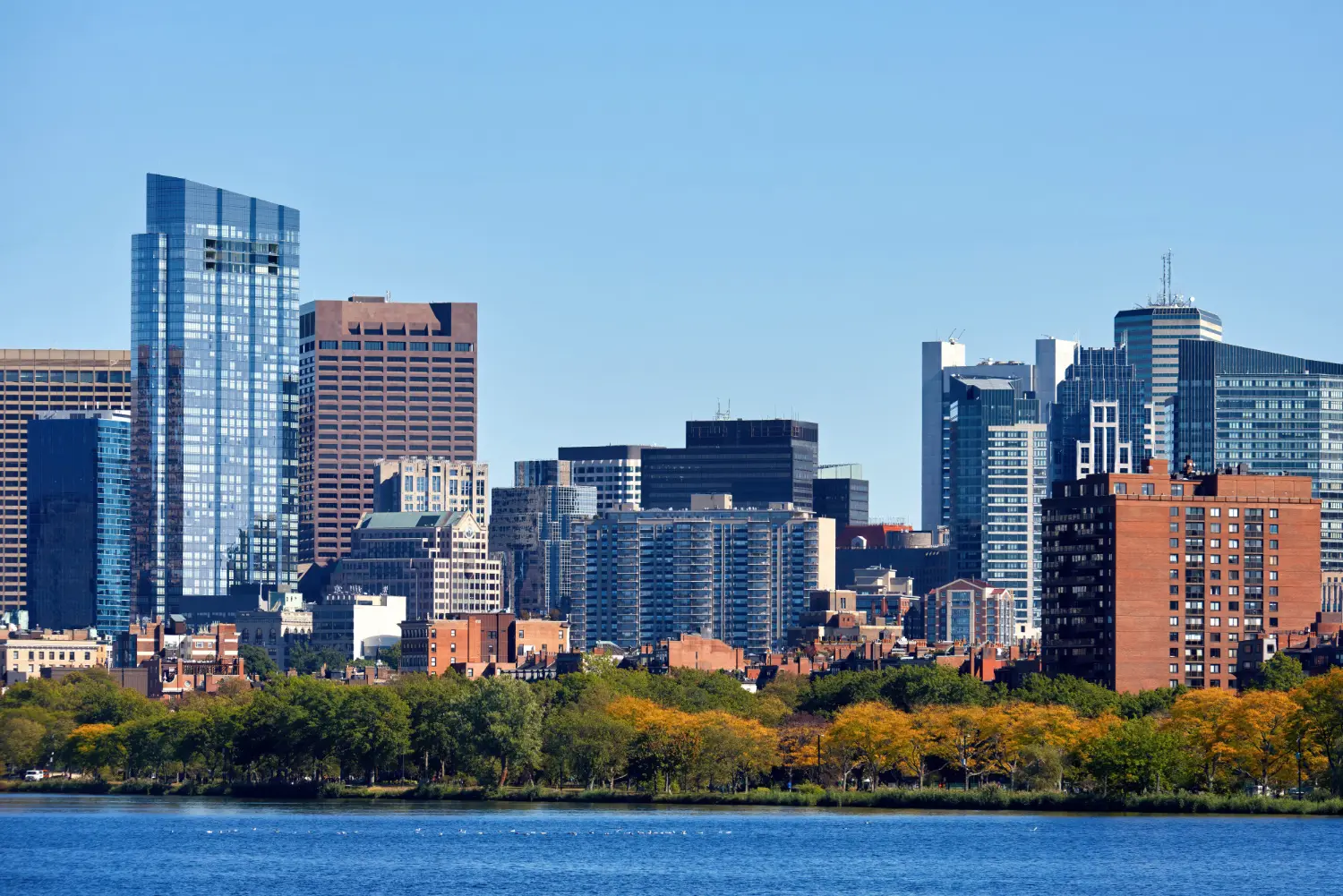
In Massachusetts, rules do not come only from the state. In June 2025, Cambridge adopted its Zero Waste Master Plan 2.0, which plans to require food scrap separation in all residential and commercial buildings. In August 2026, the city approved new rules for residential and commercial buildings that take effect on February 3, 2027. That is why it pays to check your own municipality's rules as well, since they can cover cases the state law does not yet reach.
To document compliance, from the ECO-130 KSN up every OCTOEN machine includes load cells, an energy analyzer and OCTOEN Carbon Tracker software, which record what goes into the machine. That data helps you prepare reports for local and state authorities.
Circular economy: waste as a resource
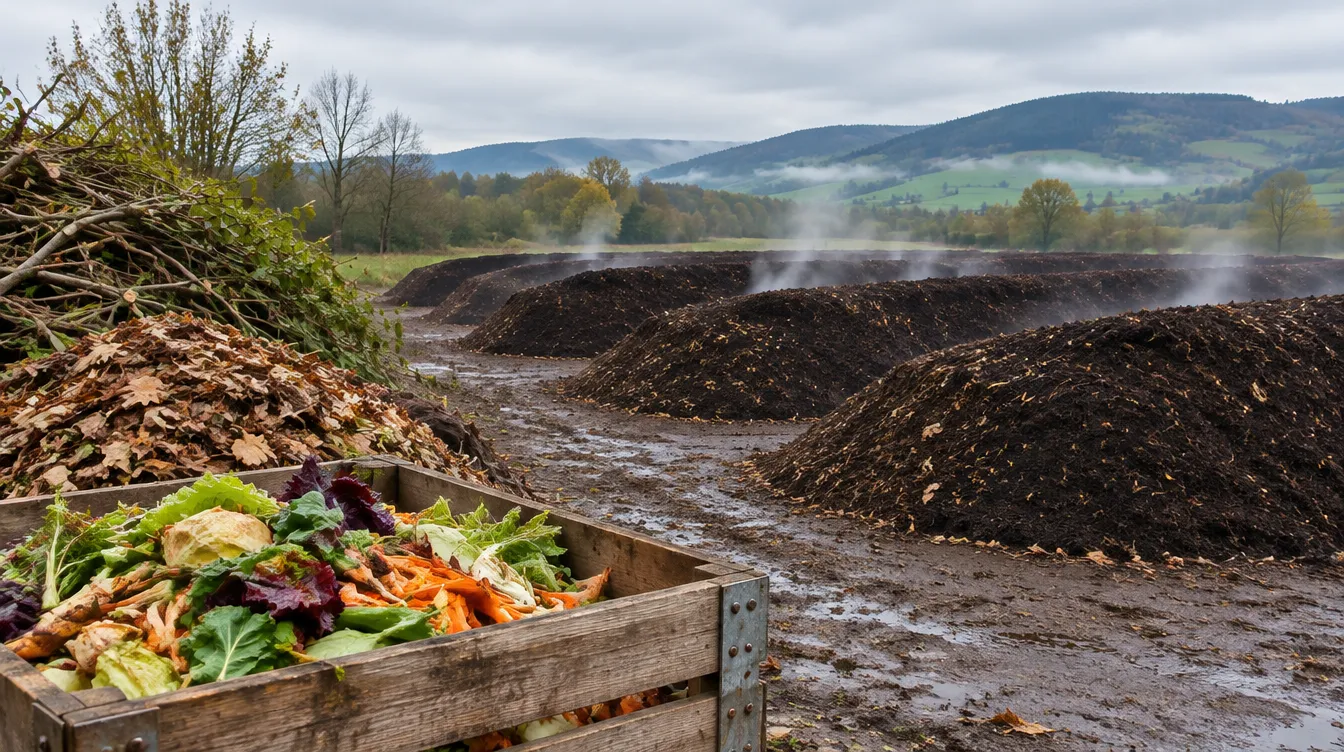
An OCTOEN composter runs a 12-24 hour composting cycle. From the ECO-130 KSN up, the process is biological and enzyme-assisted, at 45-75 °C (113-167 °F). The result is fresh compost, used as an organic fertilizer, for example in the site's own landscaping.
According to MassDEP, food waste makes up about 21% of the state's trash, roughly 930,000 tons a year, and solid waste disposal capacity is very limited. In that context, processing organics on site helps businesses prepare for a possible removal of the threshold from 2028 and align their operations with the state's 2030 goal.
To choose the right model for your daily volume, see our products page or contact us.
This article is general information, not legal advice. Check the official source or ask a qualified advisor before you rely on a rule.
Written by the OCTOEN team.
All news and blog posts