NYC Composting Rules 2026: Everything You Need to Know

Waste management in a massive, ever-moving, and bustling metropolis like New York has always been one of the most complex logistical operations in the world. Considering the sheer volume of trash generated daily by millions of residents, thousands of restaurants, and businesses, where this waste goes and how much it damages the environment is a critical issue. A huge portion of the waste sent to landfills consists of organic matter, namely, food scraps and yard debris. This situation not only leads to significant methane gas emissions but also fuels the city's persistent pest problem.
Gaining rapid momentum in recent years, NYC composting practices are now at the very center of the city's sustainability goals. To radically reduce the amount of organic waste ending up in landfills and incinerators, the city administration has expanded the composting initiative across all boroughs. So, how exactly does this new system work, what are the regulations, and what are your responsibilities as a New York resident? Here is everything you need to know about this massive green transformation.
Is Composting Mandatory in NYC?
The short answer is: Yes, it is absolutely mandatory. The New York City Department of Sanitation (DSNY) has transformed recycling and composting from an optional hobby into a legal requirement. In the final phase of the rollout, the Bronx, Staten Island, and Manhattan were included in this mandatory coverage.
What this rule means is simple: You can no longer throw your banana peels, coffee grounds, or food scraps into regular black trash bags. It is a legal requirement to collect these materials separately in designated organic waste bins. Gradually increasing fines are being issued to buildings, landlords, and businesses that fail to comply with the rules. Therefore, learning how the system works is no longer a choice, but a necessity.
Current Rules: How Does the System Work?
Established by the DSNY, the NYC composting rules are quite clear. The fundamental principle is to completely separate organic waste from regular trash and recyclables.
Buildings, single-family homes, and businesses are required to set out their compost waste on the curbside on designated days. The times for setting out trash have also been updated recently to help reduce the rat population. You can place your organic waste on the curb in a secure, tightly sealed bin after 6:00 PM. Not only do these rules protect the environment, but they also aim to seriously control the rat population by eliminating their primary food source found inside black plastic bags.
New York's industrial composting facilities can reach very high temperatures, allowing them to accept many items that cannot normally be composted at home.
Accepted Items (Yes):
- All food scraps (vegetables, fruits, bread, rice, etc.)
- Meat, poultry, fish, bones, and dairy products
- Food-soiled paper (greasy pizza boxes, coffee filters, paper towels)
- Yard waste (fallen leaves, dried flowers, small branches)
Not Accepted Items (No):
- Diapers and pet waste
- Clean, recyclable paper and cardboard
- Glass, metal, rigid plastics, and Styrofoam products
Attention Restaurants and Hotels: The Most Profitable and Practical Way to Handle Tons of Organic Waste
Composting in New York is no longer just an environmental initiative; it has become a legal obligation for households and businesses.
These rules don't just apply to single-family homes or small apartments; they directly impact restaurants, hotels, cafes, and commercial businesses that generate hundreds of pounds of organic waste daily. For large-scale food and beverage establishments, managing this massive volume of waste using only standard bins is both a huge logistical burden and a serious kitchen hygiene risk. To prevent odors, stop pest infestations, and avoid legal penalties, businesses must solve the issue at the source, as quickly as possible.
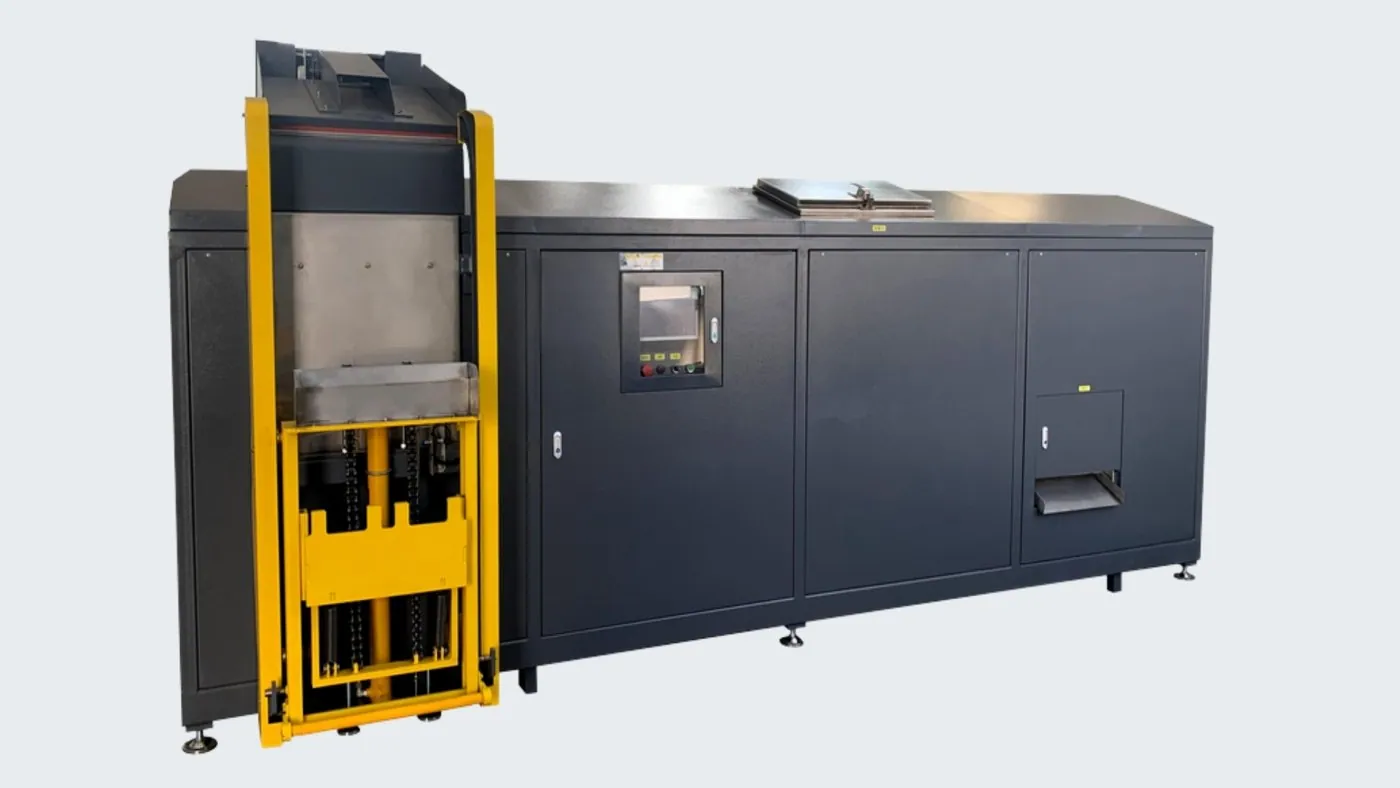
This is where industrial compost machines come in. OCTOEN on-site composters run a 12-24 hour composting cycle, cut food waste volume by up to 90% and produce fresh compost, which reduces how much has to be stored and collected. NYC's commercial organics rules set their own conditions for on-site processing, so ask DSNY how on-site processing is treated for your business before you rely on it. Our article on NYC's commercial organics rules explains which businesses are covered.
This article is general information, not legal advice. Check the official source or ask a qualified advisor before you rely on a rule.

First published on octoen.com.
All news and blog posts