What Is a Compost Machine?
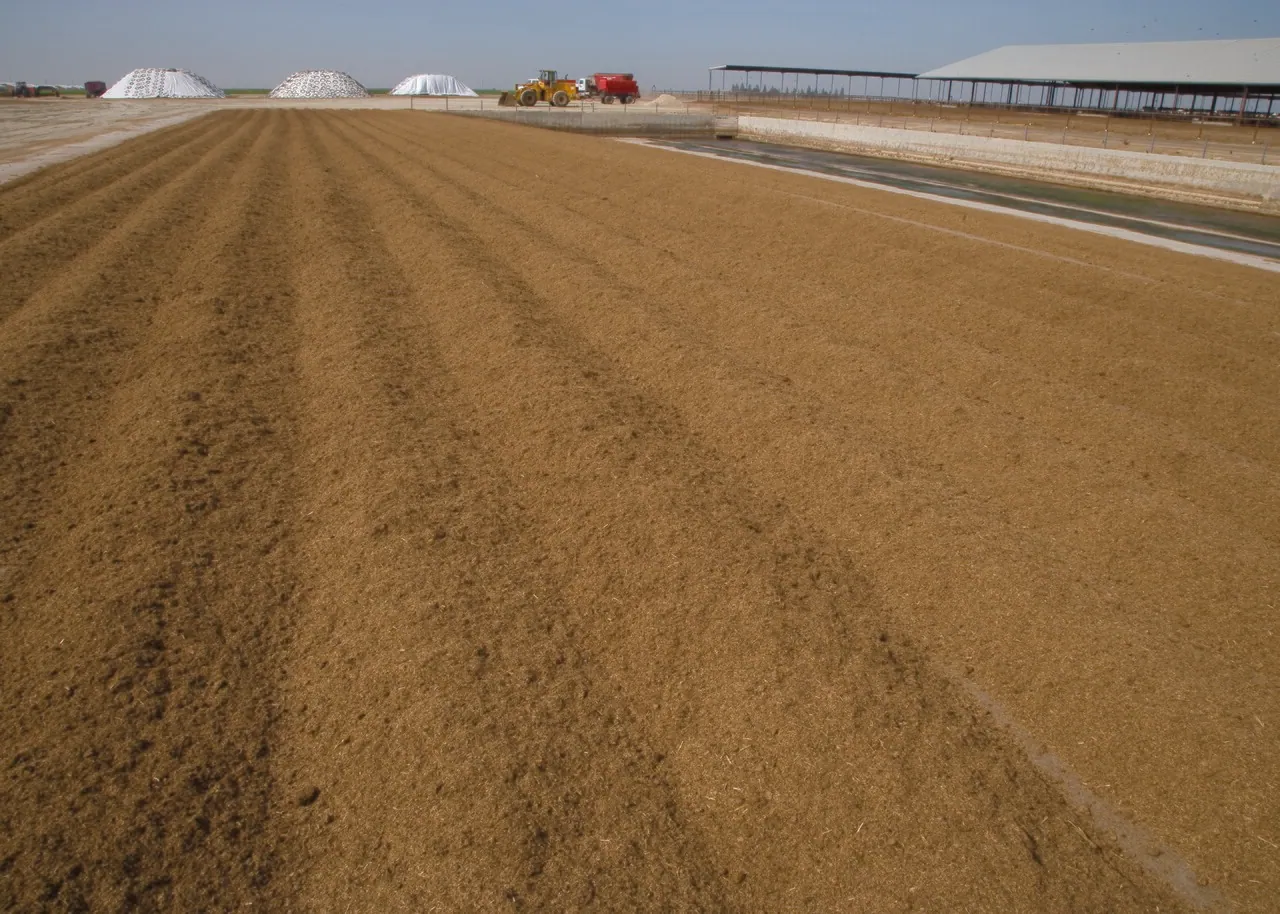
Compost is the material produced when organic waste breaks down. It is used as a soil amendment and organic fertilizer. Unlike synthetic fertilizers, compost also improves soil structure.
Besides traditional methods, compost can be made with a compost machine. A compost machine mixes and breaks down a large amount of organic waste in a short time. OCTOEN's commercial composters, for example, run a 12-24 hour composting cycle that produces fresh compost. That reduces the daily volume of waste and saves time.
What Does a Compost Machine Do?
A compost machine helps organic waste break down quickly and turns it into compost. Depending on the model, it handles food scraps from a home kitchen or larger volumes from businesses and farms, and it keeps that waste out of landfills.
The output is usually used as an organic fertilizer. Unlike synthetic fertilizers, compost adds organic matter: it improves soil structure and releases nutrients slowly, which helps plants grow.
What Are the Types of Compost Machines?
Compost machines differ by the kind of waste they handle and where they are used. They are usually divided into home and commercial (industrial) machines.
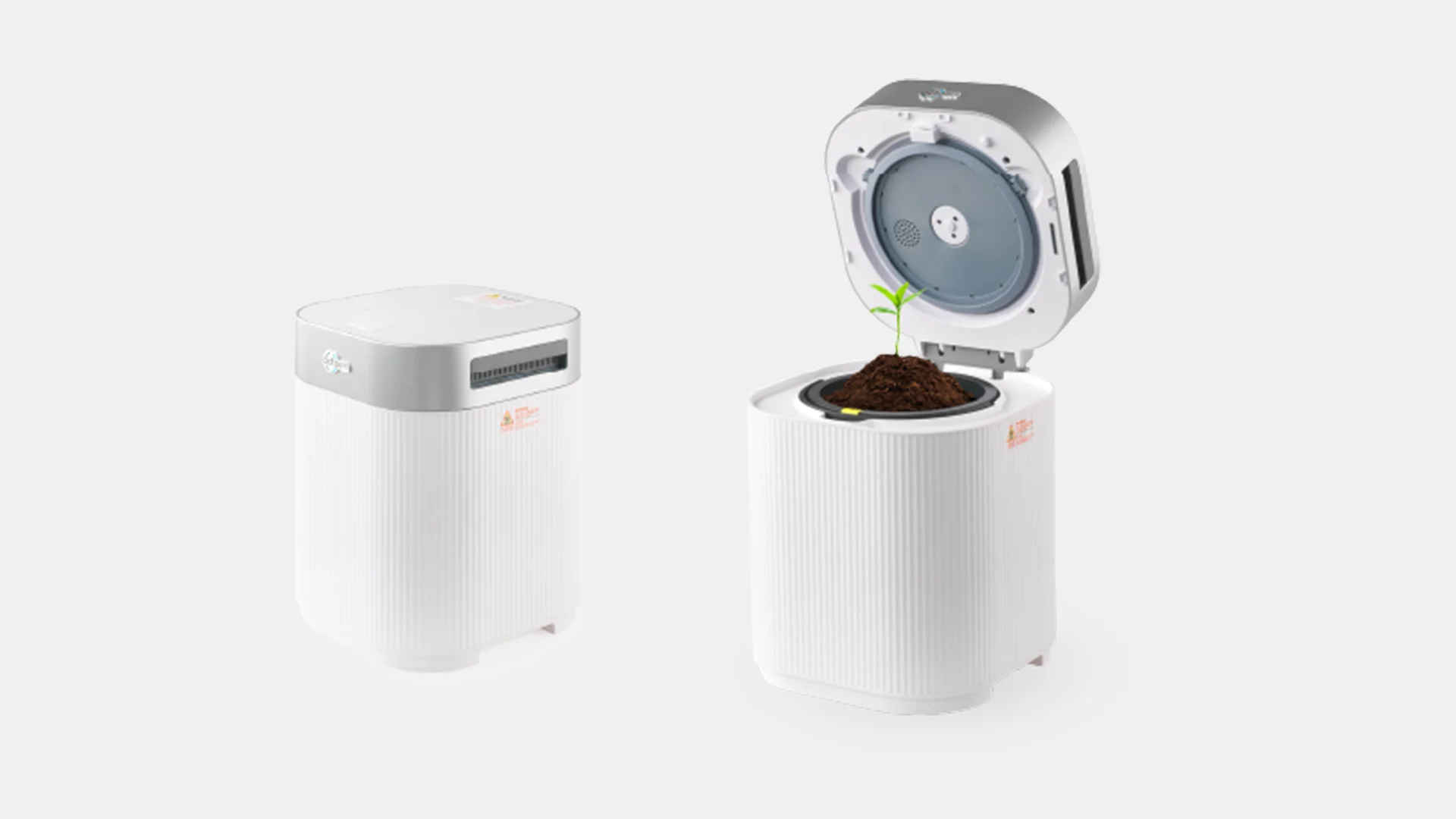
Home compost machines are small and light. These countertop units handle the food scraps of a household or a small office.
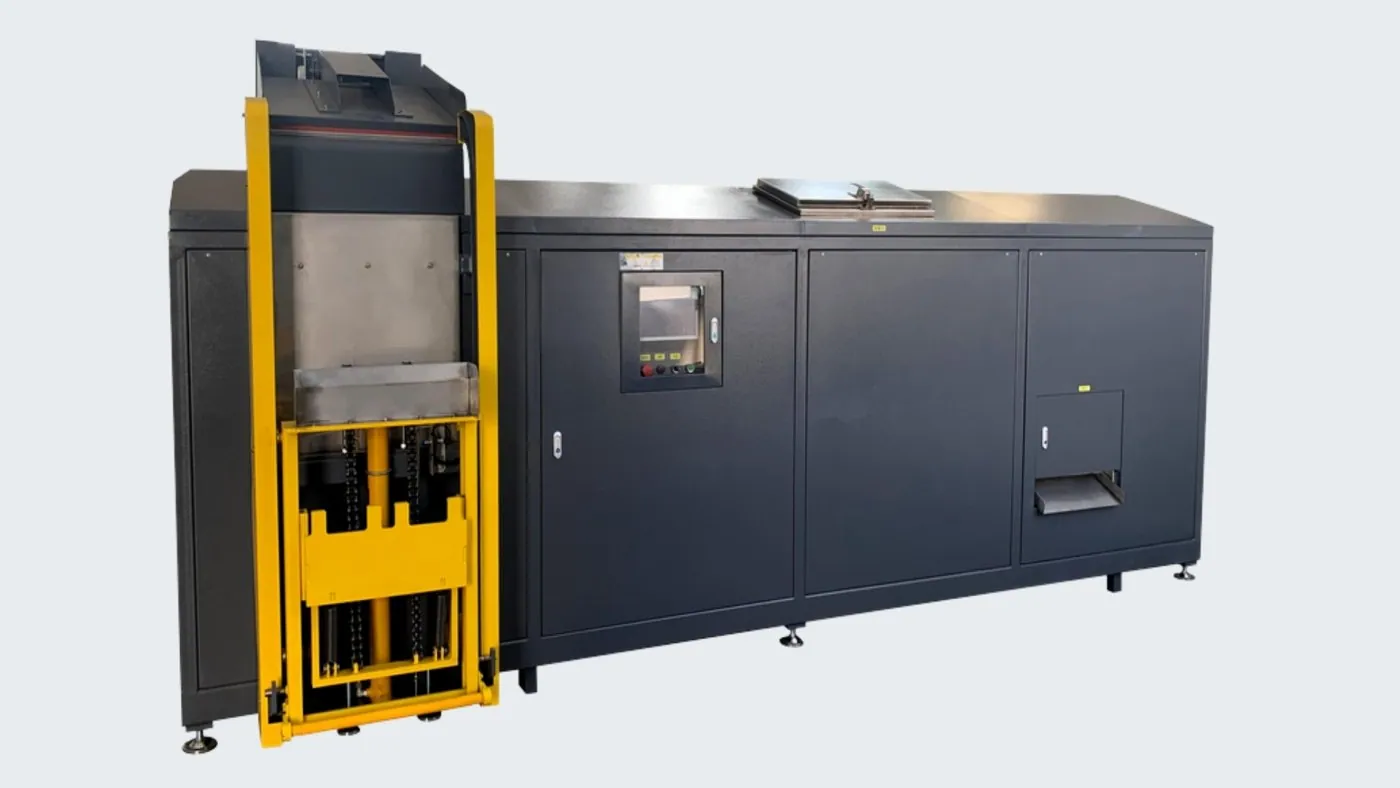
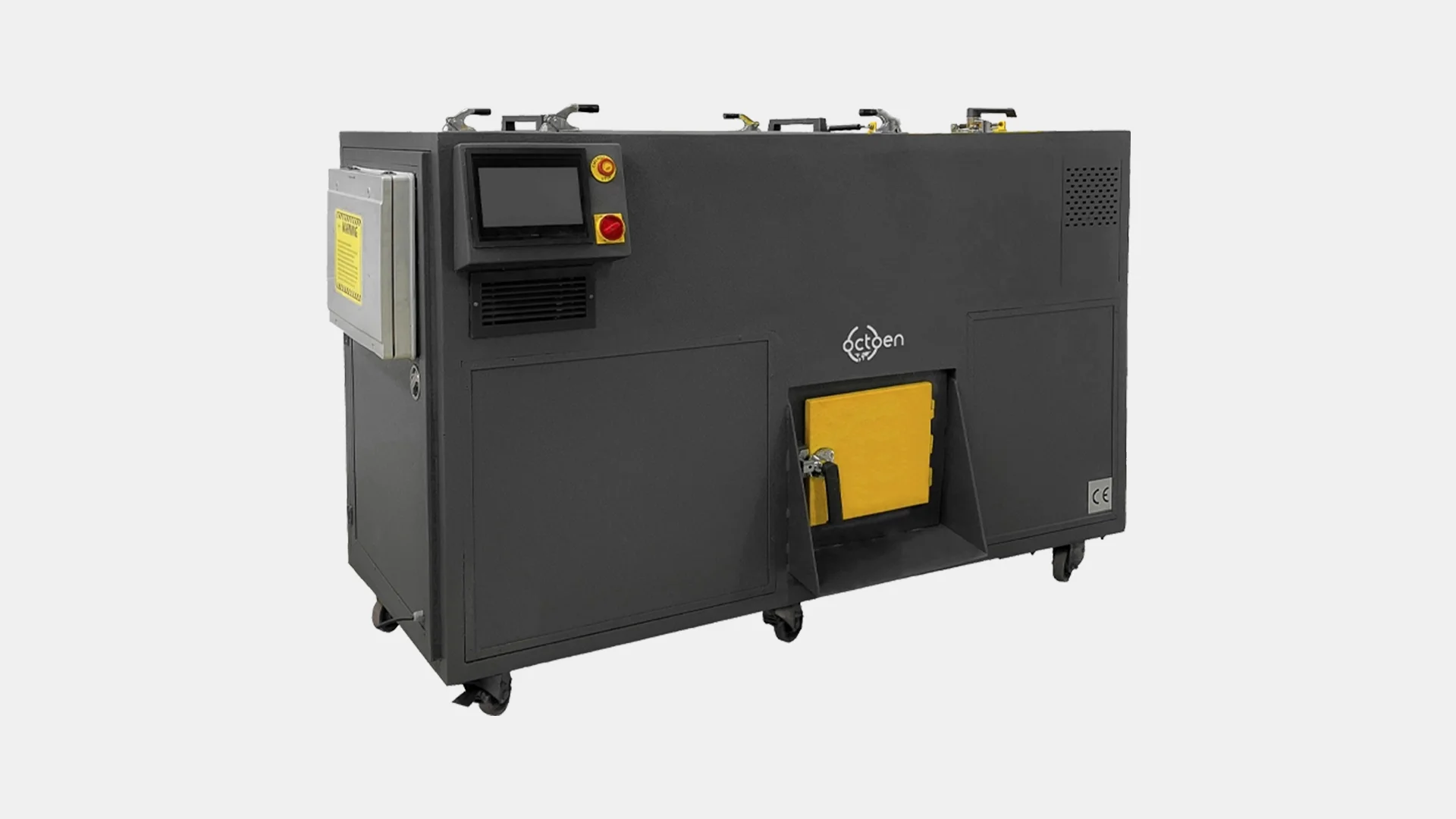
Commercial and industrial compost machines are used where a lot of waste is produced every day, such as schools, companies, hospitals, hotels and factories. They are installed in a fixed place on a flat, load-bearing floor and placed with a forklift or crane. Machines built from stainless steel are made for long, daily use.
On farms and in greenhouses, compost machines turn crop residues, plant trimmings and food waste into compost, which can reduce the need for purchased fertilizer.
Mushroom compost is a different product: it is the growing medium that mushroom farms use, usually made from straw, manure and other materials. After the harvest, the spent mushroom compost is often sold as a soil amendment.
What Are the Benefits of Compost Machines?
Compost machines offer benefits both during and after composting:
- Speed: a process that takes weeks or months with traditional methods is much shorter in a machine.
- Simple operation: settings are made on a control panel.
- Less waste: organic waste becomes a useful product instead of going to a landfill.
- Capacity: larger machines handle a lot of waste at once.
- Odor control: closed machines with air filtration keep odors in.
How to Use a Compost Machine?
A compost machine is run from its control panel. Besides the on/off button, the panel lets you choose settings for the waste inside.
Add the organic waste, close the lid and start the machine from the control panel.
Who Should Use a Compost Machine?
Compost machines are used in homes and in businesses of every size. Choose a model that matches the amount of waste you produce and the place where the machine will stand.
What Should Be Considered When Using a Compost Machine?
Keep a few points in mind:
- Do not load more waste than the machine is built for; overloading can cause faults.
- Keep chemicals, non-compostable materials and anything else unsuitable for composting out of the machine.
- Make sure the lid is closed before you start the machine, and follow the manufacturer's instructions for the type of waste inside.
What Types of Waste Can Be Added to a Compost Machine?
What a machine accepts depends on the model. Typical inputs include:
- Fruit and vegetable scraps
- Food leftovers
- Coffee grounds and tea leaves
- Eggshells
- Landscaping material such as leaves and grass clippings
- Compostable tableware and brown cardboard, in machines built for them
In a backyard pile, leave out meat, fish, bones and dairy. Machines differ: OCTOEN's ECO-05 KSN takes small bones, and OCTOEN's commercial models take food and organic waste, landscaping material, compostable tableware and brown cardboard. Plastic, glass, metal and chemicals do not belong in any compost machine.
How Does a Compost Machine Work?
Organic waste goes into the machine, the lid is closed and the cycle is started from the control panel. Inside, a motor turns the waste with mixing arms or a rotating drum, heaters hold the right temperature, and fans move air through the chamber and out through an odor filter.
Microorganisms do the actual work of breaking down the waste. In OCTOEN's commercial machines from the ECO-130 KSN up, an enzyme-assisted biological process runs at 45-75 °C (113-167 °F) in a 12-24 hour composting cycle. The output is fresh compost, used as a soil amendment.
Where to Buy a Compost Machine?
OCTOEN designs and builds compost machines in its own factory in Türkiye, and more than 2,500 OCTOEN systems are in the field worldwide.
The range covers homes and businesses. The ECO-05 KSN is a countertop kitchen composter with a 3 L bin; it uses heat, grinding, cooling and UV-C to break down 90% of the waste, and the remaining 10% is a soil amendment. The commercial models run from the ECO-30 KSN, for 30 kg (66 lb) of food waste a day, to the ECO-5000 KSN, for 5,000 kg (about 11,000 lb) a day.
The commercial models run a 12-24 hour composting cycle that produces fresh compost and reduce food waste volume by up to 90%. From the ECO-130 KSN up, they have PLC control with one-button operation and built-in activated carbon odor filtration, and they can be installed indoors or outdoors. For a comparison of sizes, see our compost machine guide.
What Are the Prices of Compost Machines?
Compost machine prices depend on many factors, including capacity, bin volume, size, materials and features.
Small home units cost far less than commercial machines that handle hundreds of kilograms of waste a day.
The ECO-05 KSN is sold online on Amazon USA. For OCTOEN commercial and industrial compost machines, contact us for a quote; the price depends on the model and your site.
First published on octoen.com.
All news and blog posts