TR Octoen
 USA Octoen
 ES Octoen
 Compost-it
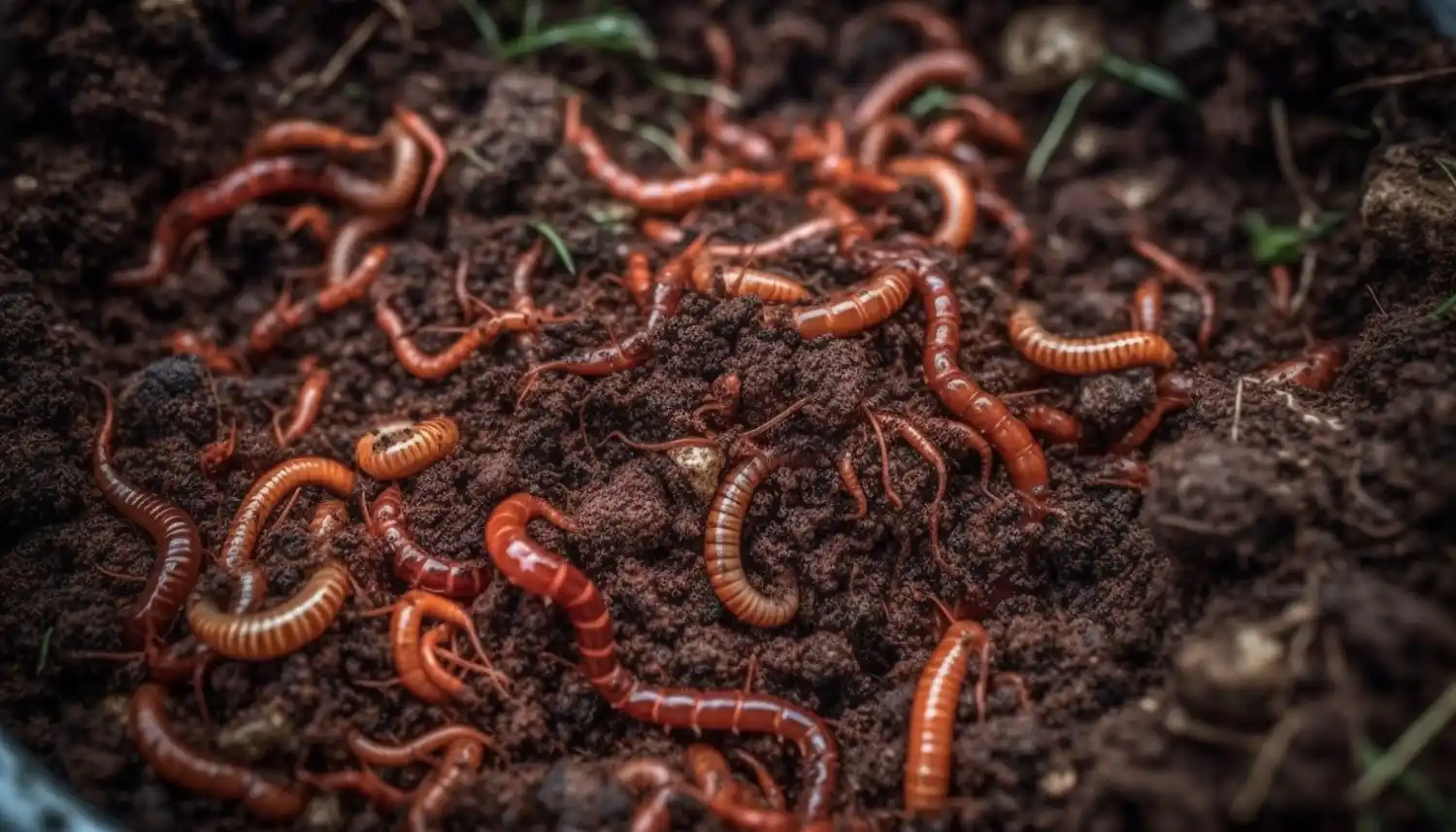

Dealing with maggots in trash can be a frustrating experience, especially when it happens unexpectedly. These pesky creatures are often found in maggots in garbage can or maggots in trash cans, thriving in the decaying organic waste that often accumulates inside. If you've ever wondered why are there maggots in my trash, it's because flies lay their eggs on food scraps or other organic matter. Once the eggs hatch, white worms on trash can are visible as they begin to feed on the rotting materials.
Identifying and Understanding the Problem
Maggots in trash bin are not just an unpleasant sight but also a sign that your waste management system needs some attention. These white worms in trash bin are larvae of flies, which usually infest trash worms in poorly maintained trash areas. If you leave food waste exposed or don’t seal your bags tightly, you're inviting maggots into your trash. So, it’s essential to regularly clean your trash can and maintain proper disposal habits.
If you are dealing with a maggots in trash can situation, the first step is to remove all waste, particularly any food scraps. To tackle this problem effectively, there are several methods to consider. One of the most common ways is to pour boiling water over the maggots in garbage can. The extreme heat will kill the larvae instantly, and this method is highly effective in how to kill maggots.
Another option is to use a mixture of salt and vinegar. What kills maggots is the acidity in vinegar combined with the desiccating effect of salt. By applying this mixture generously to the affected areas, you can ensure that the white worms from garbage will be eradicated.
For more stubborn infestations, using insecticide designed to target larvae can be an effective solution. Always ensure the product is safe for use in a trash can environment, and follow the manufacturer's instructions.
What Causes Maggots in Trash Cans?
Maggots in trash cans are a common nuisance, especially during warm weather. If you’ve ever seen little white worms in trash can or noticed white worms in trash can, you may be wondering what causes maggots in trash and how to stop them from invading your garbage. Maggots are actually the larvae of flies, and their presence in garbage bin is a clear sign that flies have found an ideal breeding ground in your trash.
The Role of Flies in Maggot Infestation
The primary cause of maggots in garbage bin is the presence of flies, which lay their eggs on decaying organic matter like food scraps. Once the eggs hatch, they turn into white bugs in garbage can and begin to feed on the waste. Over time, these larvae, also known as garbage white worms, grow into maggots. If you've ever seen little white worms in garbage can, you've likely witnessed this process in action. Flies are attracted to the odor of rotting food, and once they’ve laid their eggs, the cycle of maggot infestation begins.
Preventing Future Maggot Infestations
Once you've dealt with the immediate problem of how to get rid of maggots in dustbin, it’s important to take steps to prevent future infestations. What causes maggots in trash can is often improper waste disposal. If food scraps are left uncovered or if trash bags aren’t sealed tightly, it becomes easier for flies to lay their eggs. To avoid how to get rid of maggots from bin in the future, always secure food waste in tightly closed bags before discarding it.
Regularly cleaning your trash can is another effective strategy. Wash the bin with hot soapy water and disinfect it to remove any organic residue that may attract flies. For extra protection, you can sprinkle a little diatomaceous earth at the bottom of the bin. This natural substance can help prevent maggots by drying out any larvae that may appear.
When to Seek Professional Help
If you're frequently dealing with maggot infestations, it may be time to assess your trash management habits. How to kill maggots in bin and prevent their return is often about keeping your trash sealed and your bins clean. However, if the problem persists or if you’re unsure how to manage a large-scale infestation, professional pest control services can offer effective solutions.
In conclusion, dealing with maggots in trash can is manageable if you know the right methods to kill maggots in trash can and take steps to prevent future issues. Whether you use boiling water, salt and vinegar, or commercial insecticides, swift action is key. By regularly cleaning your trash bins and ensuring food waste is securely contained, you can reduce the likelihood of maggot infestations and keep your trash cans free of these unwanted pests.
Steps to Clean a Maggot-Infested Trash Can
If you've discovered maggots in my trash can, it's important to act quickly to clean and disinfect it properly. Here’s a simple guide on how to clean trash can with maggots and prevent future infestations.
Step 1: Remove the Trash
First, take out all the trash and dispose of it properly. Will garbage man take garbage with maggots? It depends on local regulations, but it's best to dispose of the infested garbage yourself if possible. This will help eliminate any remaining maggots on trash can.
Step 2: Boil Water and Pour Over Maggots
Boiling water is a highly effective solution for what kills maggots in garbage can. Pouring it over the maggots in my trash can will kill them instantly. Make sure the water covers all affected areas thoroughly.
Step 3: Scrub the Trash Can
Use a brush and a mixture of soap and water to scrub the inside of the trash can. This will help remove any remaining larvae or eggs. Pay close attention to corners and crevices where maggots on trash can may hide. If needed, use a maggot killer for garbage can to ensure all pests are removed.
Step 4: Sanitize the Trash Can
To disinfect the trash can, use a vinegar-water solution or a bleach solution. This will help kill any remaining bacteria or larvae. Scrub the inside well and rinse thoroughly.
Step 5: Dry and Prevent Future Infestations
Once the trash can is clean, allow it to dry completely. To how to prevent maggots in trash can, place a layer of salt in trash can to prevent maggots or consider using diatomaceous earth. This will help deter future maggot infestations.
By following these steps, you can ensure your trash can stays clean and free from how to keep maggots out of trash in the future. Regular cleaning and proper waste management will significantly reduce the likelihood of maggot problems.
A Sustainable Solution for Maggots : Octoen Compost Machine
For a long-term, eco-friendly solution to managing food waste and preventing the causes of maggots in trash, Octoen composters are an ideal choice. As a leading innovator in waste management technology, Octoen offers a highly efficient and sustainable way to recycle food scraps into nutrient-rich compost, transforming waste into a valuable resource for your garden or plants.
By utilizing Octoen’s composter, you ensure that your food waste is diverted away from the trash can, drastically reducing the chances of attracting flies and maggots. Food scraps, which are typically a primary cause of maggots in trash, are instead processed in the composter, where they decompose in an environmentally controlled and hygienic manner. This reduces the odors and organic waste that would normally attract flies and lead to a garbage worm infestation.
One of the standout features of the Octoen composter is its advanced technology, designed to accelerate the composting process while ensuring that the resulting compost is rich in nutrients and perfect for enriching your soil. The Octoen composting machine is user-friendly, compact, and designed to work seamlessly in both small and large-scale environments, making it perfect for households, restaurants, and even industrial settings.
Not only does the Octoen composter prevent maggot problems, but it also plays a vital role in reducing landfill waste. Instead of contributing to the growing pile of food waste in landfills, which releases harmful greenhouse gases like methane, your food scraps are turned into high-quality compost that can be used to nourish your garden or green spaces. This is a perfect example of circular waste management, where organic waste becomes a resource for sustainable growth.
The environmental benefits don’t stop there. By choosing Octoen, you're making a conscious decision to support a greener planet. The house type composter allows you to be proactive in your waste management, helping to keep your trash can free from unwanted pests like maggots and providing you with a reliable tool for reducing your overall environmental footprint.
In addition to reducing waste and preventing infestations, Octoen’s compost machine promote a healthier lifestyle by encouraging composting practices. This not only contributes to better soil but also minimizes the use of harmful chemical fertilizers. Imagine having your own sustainable system to process food scraps and create rich, organic compost, all while keeping your home, kitchen, and trash can free from maggots and other pests.
By using Octoen composters, you're taking a significant step toward a more sustainable future. It's a smart investment that helps you manage food waste effectively while contributing to a cleaner, greener environment. With Octoen, you can confidently say goodbye to maggots in your trash and embrace the power of nature to turn waste into a resource.