TR Octoen
 USA Octoen
 ES Octoen
 Compost-it
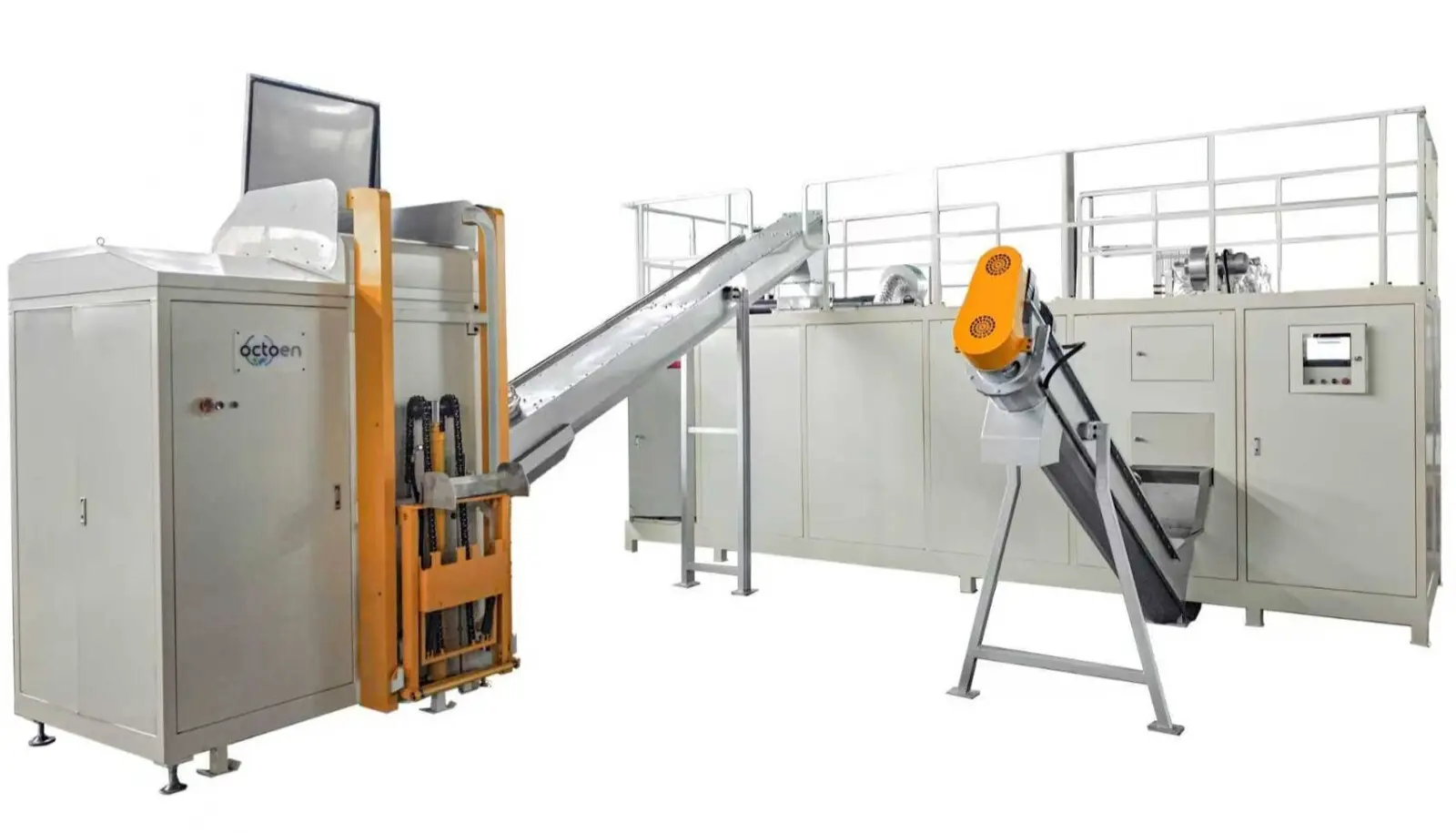

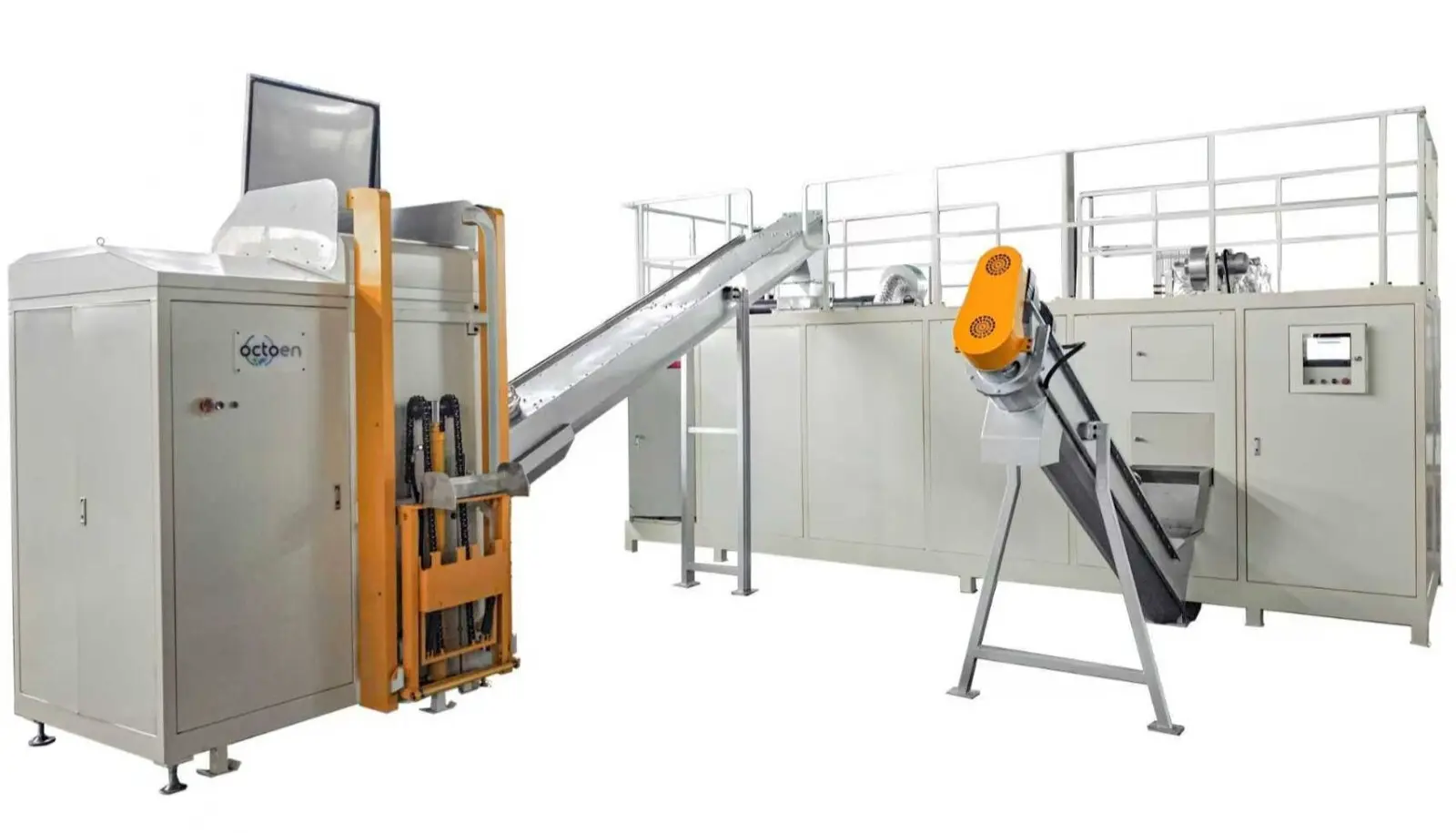
Commercial composting is no longer just an eco-friendly trend; it is a strategic business decision. Whether you are looking to invest in a commercial compost machine for your facility or searching for commercial composting near me, understanding how these advanced systems work is the first step toward a zero-waste future.
What Does Commercially Compostable Mean?
When you see a product or packaging labeled as "commercially compostable," it means the material is specifically designed to biodegrade only within a professional, industrial-scale composting facility.
Unlike basic home composting, which relies on ambient outdoor temperatures, commercial composting involves a highly controlled environment:
- High Temperatures: Maintaining consistently high temperatures is essential to effectively break down dense and tough organic matter.
- Oxygen Control: Professional aeration systems ensure that aerobic bacteria have the oxygen required to accelerate the decomposition process.
- Microbial Management: Precise moisture and nutrient balancing guarantee rapid, odor-free results.
Expert Note: Products labeled as "commercially compostable" typically will not break down in backyard compost bins. These items require the intense, sustained heat found only in industrial systems to fracture their complex molecular structures.
Why Your Business Needs a Commercial Compost Machine
Investing in an on-site commercial composter allows businesses—from restaurants to large corporate campuses—to manage organic waste efficiently while significantly reducing their carbon footprint and daily disposal costs.
Core Benefits of Commercial Composting
- Cost Reduction: Drastically minimize waste hauling fees by processing heavy, wet organic matter on-site.
- Nutrient Recovery: Turn everyday food scraps and paper into high-quality, nutrient-rich soil amendments.
- Sustainability Compliance: Easily meet strict local regulations regarding organic waste bans and achieve your corporate ESG (Environmental, Social, and Governance) goals.
- Operational Efficiency: Modern systems are fully automated, odorless, and designed to fit into standard commercial spaces.
Finding the Right Commercial Composting Solution
Selecting the optimal commercial composting solution for your business depends not only on your waste volume but also on your operational pace and long-term financial objectives. If you manage a high-traffic kitchen with significant daily food waste, investing in an on-site professional system—such as the Eco-130KSN industrial compost machine—eliminates logistics costs immediately, removing the need for external collection services. By processing waste at the source within 24 hours, these machines resolve odor and hygiene issues at the root, while ensuring your business is fully compliant with "Zero Waste" regulations and positioned as a leader in sustainability. Ultimately, the right choice is a strategic investment that transforms waste from a costly liability into operational efficiency.
Frequently Asked Questions (FAQ)
What is the best commercial compost machine for a small restaurant? For small-scale food service operations, an aerobic digester or an electric "plug-and-play" composter is highly recommended. These systems focus on maximum volume reduction (up to 90%) and strict odor control.
How to compost commercially? Commercial composting can be done in two main ways: by partnering with a local industrial facility for routine waste collection, or by investing in an on-site commercial compost machine. For businesses generating daily food waste, an on-site system automates the process, using integrated heat and mechanical agitation to rapidly break down organics right at the source.
How is commercial composting different from regular composting? The primary difference lies in the scale, sustained temperature, and technology. Regular backyard composting relies on natural, ambient temperatures and manual turning, often taking several months. Commercial composting maintains high thermophilic temperatures (60°C and above) using automated sensors and continuous aeration, allowing it to safely process complex items like meat, dairy, and bioplastics.
How long does commercial composting take? While traditional industrial windrow facilities can take 8 to 12 weeks to process organic matter, modern on-site commercial composters are incredibly fast. These advanced systems use high-heat dehydration and microbial action to reduce food waste volume by up to 80-90% in as little as 24 hours, producing a dry, nutrient-rich soil amendment.
What can you put in a commercial composter? Unlike standard home bins, a commercial-grade machine can handle almost all organic food waste. Because of the intense heat, this includes vegetable prep waste, meat, poultry, fish, dairy products, small bones, and certified "commercially compostable" materials like PLA packaging.
Do commercial compost machines produce bad odors? No. High-quality commercial systems are specifically designed for indoor use in professional environments, such as commercial kitchens, hotels, and loading docks. They utilize aerobic processing (which prevents the foul smells associated with rotting) alongside advanced multi-stage filtration systems and carbon filters to completely neutralize odors.
Is a commercial compost machine a good investment for a business? Yes. Beyond the environmental benefits of achieving zero-waste goals, an on-site system provides a strong return on investment (ROI). It drastically cuts down on expensive daily waste hauling fees, reduces the physical footprint of garbage storage, and helps your business meet strict sustainability and ESG targets.
Start Your Commercial Composting Journey Today
Ready to transform your organic waste from a costly liability into a valuable resource? Whether you are looking for a reliable commercial composter for your facility or need deeper insights into the commercially compostable meaning, our team is ready to guide you toward the most efficient and profitable solution.