TR Octoen
 USA Octoen
 ES Octoen
 Compost-it

Understanding Shelf Life: How Long Do Eggs Last in the Fridge?
When it comes to kitchen staples, few things are as versatile as the humble egg. However, understanding their true shelf life is crucial for both food safety and reducing waste. On average, raw, store-bought eggs can remain fresh for 3 to 5 weeks when kept in the main body of the refrigerator—not the door, where temperature fluctuations occur. But what about other variations?
How long do fresh farm eggs last in the fridge?
Unlike washed commercial eggs, unwashed farm-fresh eggs possess a "bloom" (a natural protective coating) that can help them stay fresh for up to 2 months if handled correctly. Once you start cooking, the clock ticks faster. How long do hard-boiled eggs last in the fridge? These should be consumed within 7 days, as the boiling process removes the protective layer. Similarly, if you are wondering how long do scrambled eggs last in the fridge, the answer is about 3 to 4 days. Even separated parts have a limit: how long do egg whites last in the fridge? These delicate proteins should be used or processed within 2 to 4 days to ensure quality.
The Ultimate Test: How to Tell if Your Eggs Have Gone Bad
Before you decide whether to cook an egg or toss it toward your compost bin, you need a reliable way to check its freshness. The most famous method is the "Float Test." Simply fill a bowl with cold water and gently place the egg inside. If it sinks to the bottom and lays flat, it is perfectly fresh. If it stands upright but stays on the bottom, it is slightly older but still safe to eat. However, if it floats to the surface, the air cell has expanded significantly, indicating it is likely spoiled.
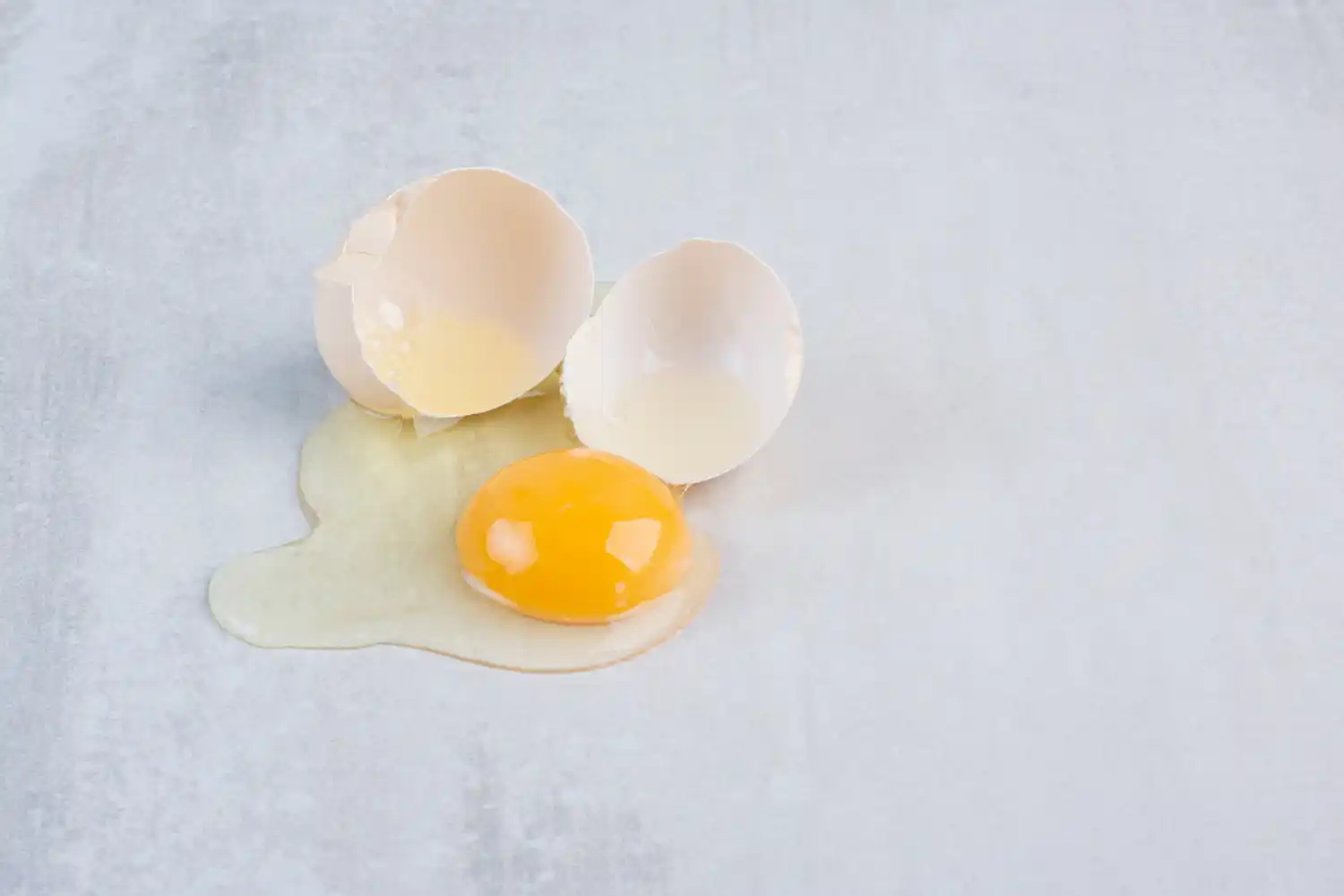
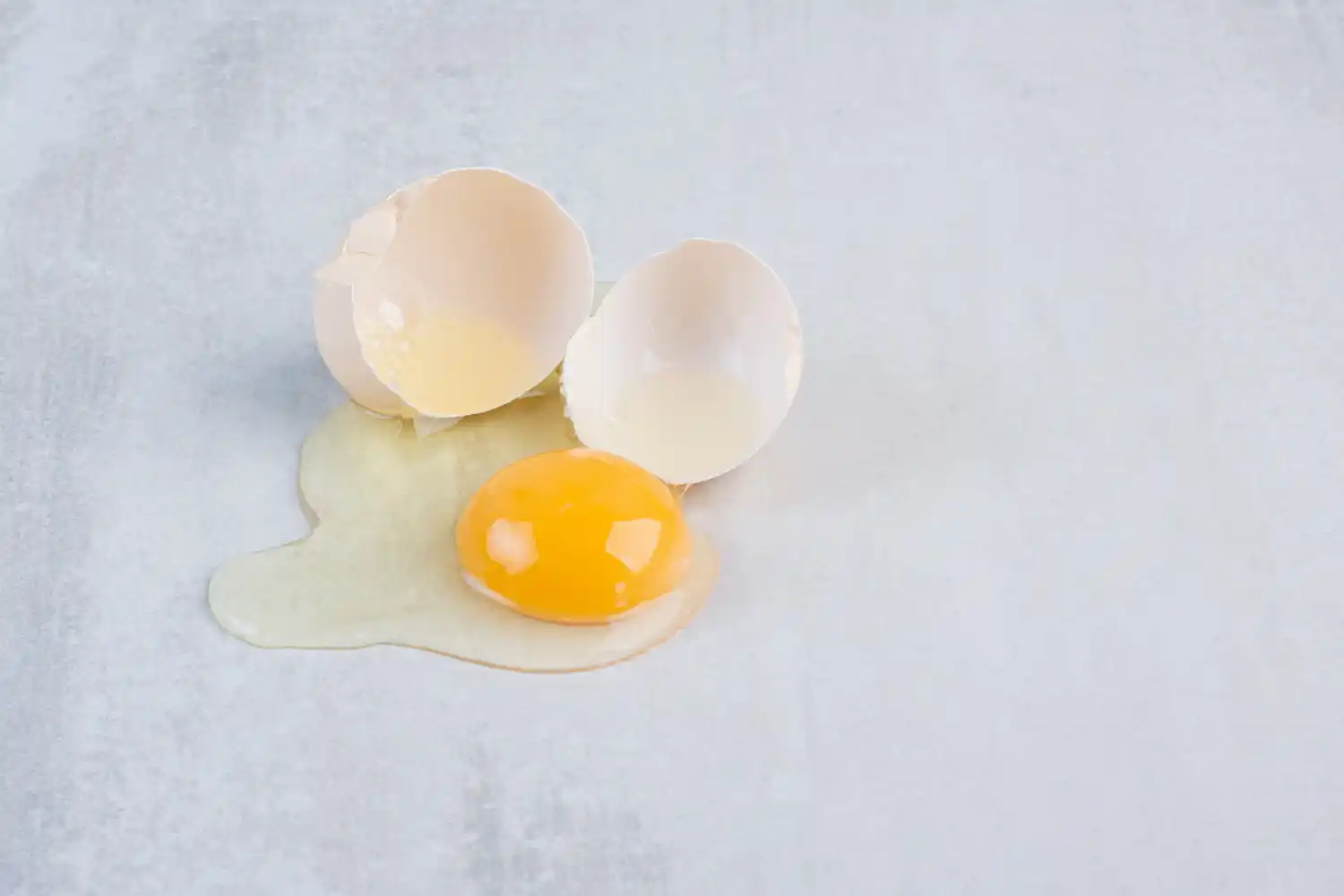
Beyond the water test, your senses are your best tools. Crack the egg onto a clean plate; a fresh egg will have a firm, domed yolk and thick whites that don’t spread much. If the yolk is flat and the white is watery, it’s aging. Most importantly, trust your nose. A rotten egg produces a distinct, pungent sulfur smell that is unmistakable even before it's cracked. If you encounter any "off" odors or see any discoloration in the yolk or white, it is time to move that egg from the "food" category to the "resource" category.
Don’t Throw Them Away: Can You Compost Expired Eggs?
Finding a carton of expired eggs in the back of the fridge usually leads to a quick trip to the trash can, but that is a wasted opportunity for your garden. Many people ask, "Can I actually compost eggs?" The answer is a resounding yes, though traditional backyard composting comes with challenges. Raw eggs are rich in nitrogen and proteins, while shells are packed with calcium. In a standard compost pile, however, adding whole eggs can lead to unpleasant odors and attract unwanted pests like rodents or raccoons, which often deters homeowners from trying.
This is where technology changes the game. While traditional methods require careful layering and months of waiting, an automated solution like the Octoen industrial compost machine eliminates these hurdles. By using controlled heat and aeration, Octoen can process organic matter—including those smelly expired eggs—without the traditional mess. Instead of sending nitrogen-rich proteins to a landfill where they produce harmful methane gas, you can keep them in the nutrient cycle. Expired eggs aren't "trash"; they are high-quality fuel for your indoor composting process, waiting to be transformed into something productive.
How to Compost Eggs and Shells Safely with Octoen
Using the Octoen smart composter to handle expired eggs is the ultimate "cheat code" for sustainable living. Unlike outdoor piles that struggle with animal products, Octoen’s high-temperature drying and grinding technology neutralizes pathogens and breaks down complex proteins quickly. To start, simply crack the expired eggs into the bucket along with your other kitchen scraps like vegetable peels or coffee grounds. Even the shells should go in; they are an incredible source of calcium carbonate, which helps neutralize soil acidity and strengthens the cell walls of your future plants.
The beauty of the Octoen process is its efficiency. Within a matter of hours, the machine transforms wet, potentially smelly waste into a dry, odorless, nutrient-dense pre-compost. The high heat ensures that any salmonella or bacteria present in the raw eggs are destroyed, making the final output safe for your indoor plants or garden beds. By integrating Octoen into your kitchen routine, you no longer have to worry about the specific "expiration dates" of your dairy or poultry products. You aren't just managing waste; you are running a miniature recycling plant that turns a kitchen mistake into "garden gold."
Closing the Loop on Food Waste
Mastering the art of egg storage is about more than just avoiding a bad breakfast; it is about respecting the resources that go into our food system. While knowing that your hard-boiled eggs last a week or that farm-fresh eggs can go for a month is helpful for meal planning, having a "Plan B" for when life gets busy is the hallmark of a truly sustainable home. Food waste is a massive global issue, but the solution starts right on your kitchen counter.
By choosing to compost your expired eggs rather than discarding them, you are participating in a circular economy. You take the calcium from the shells and the nitrogen from the whites and return them to the earth, perhaps to grow the very vegetables you’ll serve with your next (fresh) batch of eggs. Octoen makes this transition seamless, odorless, and fast. No more feeling guilty about a forgotten carton in the fridge. With the right knowledge of shelf life and the right technology to handle the leftovers, you can ensure that nothing in your kitchen ever truly goes to waste. Experience the peace of mind that comes with a zero-waste kitchen—one egg at a time.