TR Octoen
 USA Octoen
 ES Octoen
 Compost-it
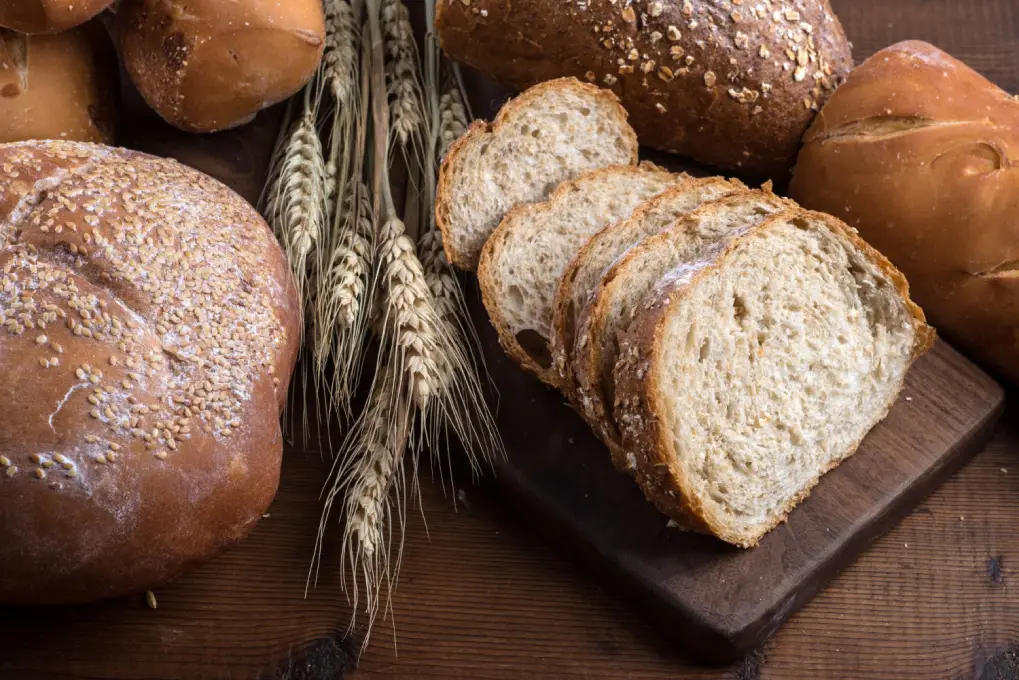

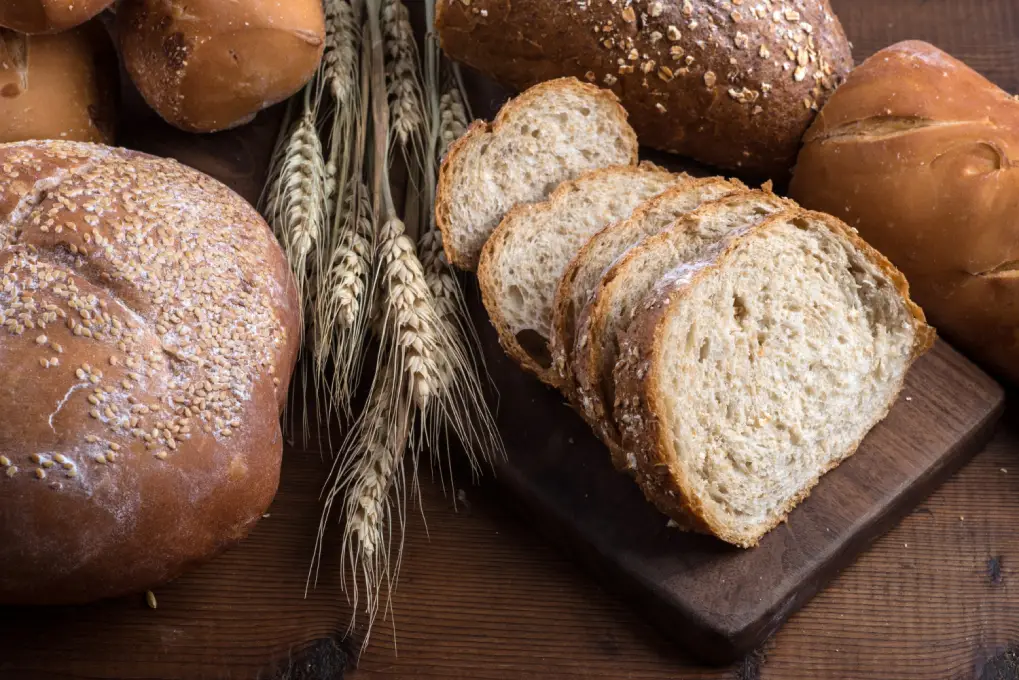
We’ve all been there: you reach for a slice of bread, and something doesn’t look quite right. Maybe it’s a faint green spot, a bit of fuzz, or just a strange smell. Whether it's a forgotten sandwich loaf at the back of the fridge or a slice left out overnight, moldy bread is a common kitchen nuisance. But beyond the initial “ew” factor, many people wonder: Is it really that bad? Or more importantly — what should you do with it?
Before you toss that moldy slice straight into the trash, read on. This article will explore possible outcomes if you eat moldy bread, how to recognize it, and how you can dispose of it sustainably — yes, even moldy white bread can be put to good use.
What Happens If You Eat Moldy Bread?
First things first: what happens if you eat moldy bread? The answer is... it depends. Some types of mold may be relatively harmless in small quantities, while others could potentially produce mycotoxins — substances that might lead to discomfort or other health effects if ingested. Reactions could vary widely depending on the type of mold, how much was consumed, and the person’s general sensitivity.
Some people might experience no noticeable effects, while others could feel nauseous or experience mild digestive symptoms. It’s also worth noting that certain molds, especially on processed or commercial bread, might develop more aggressively under specific conditions. If you suspect you've consumed mold, it’s best to observe how you feel and seek professional guidance if you’re concerned — but again, the risk level may vary significantly.
“I Accidentally Ate Moldy Bread!” – Now What?
We know the feeling: one bite in, and you notice something off. Maybe it was hidden under peanut butter or just didn’t catch your eye earlier. Realizing you accidentally ate moldy bread can bring a wave of panic — but try not to stress. In most situations, if only a small amount was consumed, nothing serious may occur.
That said, everyone reacts differently. Some individuals may experience minor stomach discomfort, while others might not feel anything at all. Rather than worrying unnecessarily, keep an eye out for symptoms and drink plenty of water. If you're uncertain about the potential risks, a medical professional is always the best person to turn to — but again, reactions can be mild or even nonexistent in many cases.
How to Tell If Bread Is Moldy
Sometimes it’s obvious — a green patch, a fuzzy corner. But other times, it’s less clear. Wondering how to tell if bread is moldy? Look for signs such as discoloration, a musty or sour smell, or a texture that feels strangely moist or overly dry.
Mold can appear in various shades — from white and green to blue or black. It can grow inside the loaf, not just on the surface, so if one slice looks off, it’s wise to check the entire package. Even if you can’t always see the mold clearly, an odd smell or change in texture might indicate early growth. When in doubt, it’s usually safest to avoid consumption — but more importantly, let’s talk about what to do with that bread instead of throwing it away.
Moldy Bread Symptoms: What You Might Notice
If someone does consume mold by accident, there are some possible moldy bread symptoms they may want to watch for. These could include mild nausea, stomach discomfort, or even changes in digestion. However, it’s important to stress: not everyone will experience symptoms, and the severity can differ significantly.
Some people might not notice anything at all, especially if only a small amount of mold was eaten. Others could feel slightly unwell for a few hours. Serious reactions are uncommon but not impossible. If symptoms arise, hydration and rest may be helpful — and of course, professional advice is the best course of action if there are any concerns. But again, many cases resolve without incident.
You may be interested in: How to Kill Maggots In Trash Can
Why You Shouldn’t Eat Moldy Bread — Even Just a Little
One common question is: “Can I just tear off the moldy part and eat the rest?” It’s tempting — especially with pricey artisan bread or homemade loaves. But even if the mold appears limited to one spot, its spores may have spread invisibly throughout the bread. Some types of mold grow deep within porous foods like bread, even if you can’t see it.
So while it might seem wasteful to throw out the whole slice, the risk of hidden mold could outweigh the benefit. And again — don’t toss it just yet! There’s a better, more earth-friendly solution. Instead of wasting the entire loaf, consider composting it.
What Can You Do With Moldy Bread? Compost It!
Here’s the good news: bread — even if it's gone bad — doesn’t have to go straight to the landfill. In fact, composting is a fantastic way to reuse moldy bread and reduce food waste in the process. While you should avoid eating spoiled bread, it can still serve a purpose by helping to create nutrient-rich soil.
Composting bread is fairly simple. You can tear it into small pieces and add it to your compost bin — ideally mixed with other materials like dry leaves, vegetable scraps, or shredded paper to balance moisture and carbon. This helps the moldy bread break down efficiently and avoid any odor issues. Just make sure not to overload your compost with bread alone; moderation is key for maintaining a healthy mix.
You may be interested in : Compost Fertilizer
Can You Compost Moldy White Bread Too?
Absolutely. Moldy white bread, whole wheat bread, homemade sourdough — all of it can be composted, as long as you follow a few basic tips. Make sure to break the bread into smaller pieces and bury it in the center of your compost pile to avoid attracting pests. Pair it with dry "brown" materials like paper or dried leaves to keep things balanced.
It’s also a good idea to monitor your compost pile's moisture levels. Bread can get soggy quickly, which might lead to unpleasant smells if not combined with enough dry matter. But when handled properly, even moldy white bread becomes a valuable part of your zero-waste lifestyle.
A More Sustainable Way to Deal with Old Bread
Let’s face it: no one wants to waste food, but once it’s no longer safe to eat, the options seem limited. Tossing it in the trash contributes to methane emissions in landfills, while composting helps return nutrients to the soil. Choosing to compost is a small but impactful step toward a more sustainable kitchen.
So next time you find mold on your bread, don’t panic — and don’t feel guilty about throwing it out either. Just give it a second life in your compost bin. It’s a simple way to reduce waste and support a healthier planet, all while keeping your kitchen habits more mindful.
Finding mold on your bread might be disappointing — but it’s also an opportunity. Instead of seeing it as waste, think of it as a resource for your garden or local compost pile. Even if you ate moldy bread without realizing it, chances are you’ll be just fine — but going forward, you’ll know how to spot it, avoid eating it, and dispose of it the sustainable way.
Frequently Asked Questions about Moldy Bread
1. What happens if you eat moldy bread?
The effects of consuming moldy bread depend largely on the type of mold, which can induce gastrointestinal distress due to the presence of mycotoxins. Rather than jeopardizing your health, upcycling moldy bread into organic fertilizer utilizing a compost machine is the safest and most beneficial alternative.
2. I accidentally ate moldy bread, what should I do?
Do not panic; drink plenty of water and monitor your symptoms. If you experience severe discomfort, consult a medical professional. As for the remaining moldy bread, instead of risking consumption, you can dispose of it in an automated compost machine, transforming it into nutrient-rich fertilizer within 12 to 24 hours.
3. How can you tell if bread is moldy?
Discolored patches (green, white, or black), a sour odor, and distinct textural changes are definitive indicators of mold growth. Upon detecting mold, rather than discarding the bread in the trash, you can facilitate eco-friendly recycling by processing it in a compost machine.
4. Can I just cut off the moldy part and eat the rest of the bread? No, this is strictly unsafe. Due to the bread's porous structure, microscopic mold spores may have permeated the entire loaf. To circumvent this risk while still putting the food waste to good use, processing the entire loaf in a compost machine constitutes the optimal solution.
5. Should moldy bread be thrown in the trash?
Absolutely not. Bread discarded in landfills generates methane gas emissions. Instead, you should leverage next-generation compost machines to swiftly convert your food waste into an organic resource that enriches the soil.
6. Can you compost moldy bread?
Yes, moldy bread is highly suitable for composting. By utilizing technologically advanced compost machines in particular, you can effortlessly transform bread—alongside other food waste—into premium organic fertilizer without encountering any odor issues.
7. Can white bread or sourdough bread be composted?
Yes, all varieties of bread are compostable. While bread in traditional backyard compost piles may attract pests, closed-system compost machines allow you to process white or sourdough bread safely, rapidly, and independently of external environmental factors.
8. How should moldy bread be added to compost?
Establishing the correct moisture and carbon-to-nitrogen ratio in conventional compost piles can be challenging. However, advanced compost machines eliminate this hassle; you can simply toss your moldy bread directly into the unit, allowing it to compost effortlessly through the machine's precisely controlled temperature and fermentation cycles.
9. What are the symptoms of eating moldy bread?
Symptoms may include mild nausea, abdominal cramps, or broader digestive complications. To safeguard your health, strictly avoid consuming spoiled food and instead recycle it safely using the compost machine in your kitchen or commercial facility.
10. Why is invisible mold in bread dangerous?
Invisible mold spores can generate harmful toxic compounds known as mycotoxins, which can penetrate deep into the bread. Consequently, you should never consume suspect bread; instead, repurpose it in a compost machine, which safely breaks down waste within a closed system and returns vital nutrients to the earth.
11. How can you tell if bread has gone bad when there is no visible mold?
An uncharacteristic, sour odor or distinct changes in texture are the primary early indicators of spoilage. By disposing of bread exhibiting early signs of spoilage into your residential or commercial compost machine, you can effectively advance your zero-waste sustainability goals.
12. If one slice is moldy, should the entire package be discarded?
Yes, it is highly probable that mold spores have proliferated throughout the entire package. However, rather than wastefully relegating the whole loaf to the trash, processing it in a compost machine yields valuable organic fertilizer or animal feed.
13. How can bad odors be prevented when composting bread?
In traditional compost piles, bread can rapidly turn mushy and emit foul odors. Conversely, automated compost machines feature specialized aeration, agitation, and controlled fermentation systems that guarantee a completely odorless and hygienic operation.
14. How long does it take a compost machine to process moldy bread?
Advanced compost machines (such as the Octoen ECO series) rapidly convert moldy bread and other food waste into organic fertilizer within a mere 12 to 24 hours, achieving an impressive conversion rate of 75-90%.
15. What is the most sustainable way to utilize old and moldy bread?
The ultimate sustainable strategy is employing on-site compost machines that process food waste directly at the source. This approach eliminates waste-hauling expenses and associated carbon emissions, rapidly transforming stale or moldy bread into a beneficial resource for the environment.