Cutting Food Waste Hauling with On-Site Composting
Ask any facilities manager which bin causes the most trouble and the answer is usually the same: food waste. It is wet, it is heavy for its size, and it cannot sit for long before it starts to smell. That is why many sites pay for frequent organics pickups, even when the containers are not full.
On-site composting changes that math. Instead of storing food waste until a truck comes, you process it where it is produced. What leaves the site is a much smaller amount of compost, on your own schedule.
This article explains where the hauling savings come from and how to check whether they apply to your site.
Where hauling costs come from
Every hauling contract is different, but the costs usually follow a few drivers:
- How often the truck comes. Food waste often sets the pickup schedule, because it cannot wait.
- How many containers you need. Separate organics collection means more bins, carts or compactors to rent, clean and place.
- How much material leaves the site. Contracts often charge by weight or volume, and wet food waste adds both.
- Where the nearest processor is. Some sites have no organics processor nearby, so collection is limited or costly.
When the food waste stream gets smaller, each of these drivers can move in your favor.
What changes when food waste stays on site
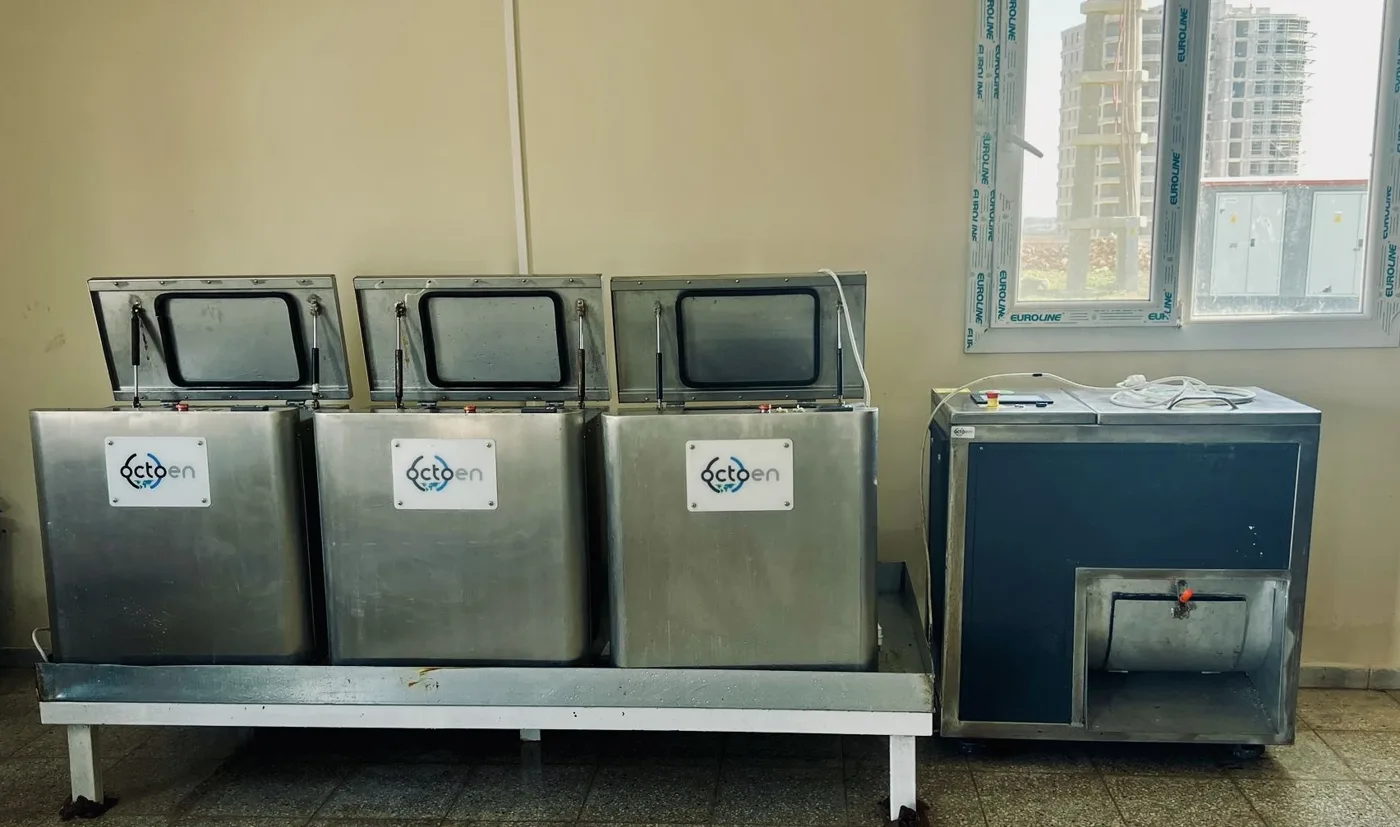
An on-site composter takes food waste in every day and runs a 12-24 hour composting cycle. In OCTOEN ECO series machines, the process runs at 45-75 °C (113-167 °F), with an enzyme-assisted biological process on the ECO-130 KSN and larger models.
The key number for hauling is volume. The ECO series reduces the volume of wet food waste by up to 90%. For carbohydrate-rich, fibrous or acidic waste, such as bread, rice or fruit peels, the reduction is lower, typically 60-70%. Either way, a large share of what used to fill containers no longer leaves the site as waste.
A few other features matter for daily logistics:
- No waiting for the truck. Waste goes into the machine as it is produced, instead of sitting in a bin by the loading dock.
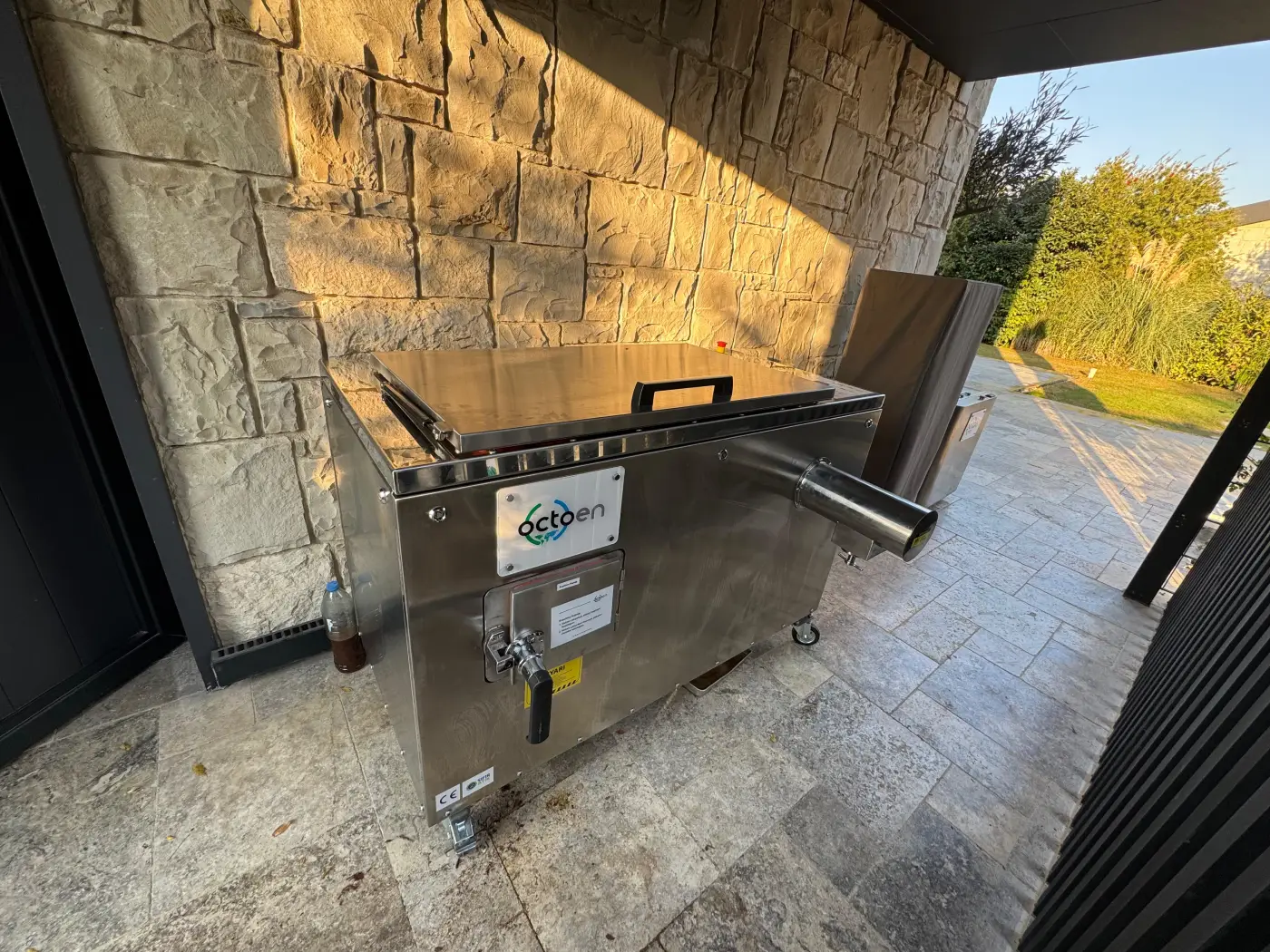
- Odor control. Built-in odor filtration (activated carbon and UVC) allows indoor or outdoor installation, so the machine can sit close to the kitchen.
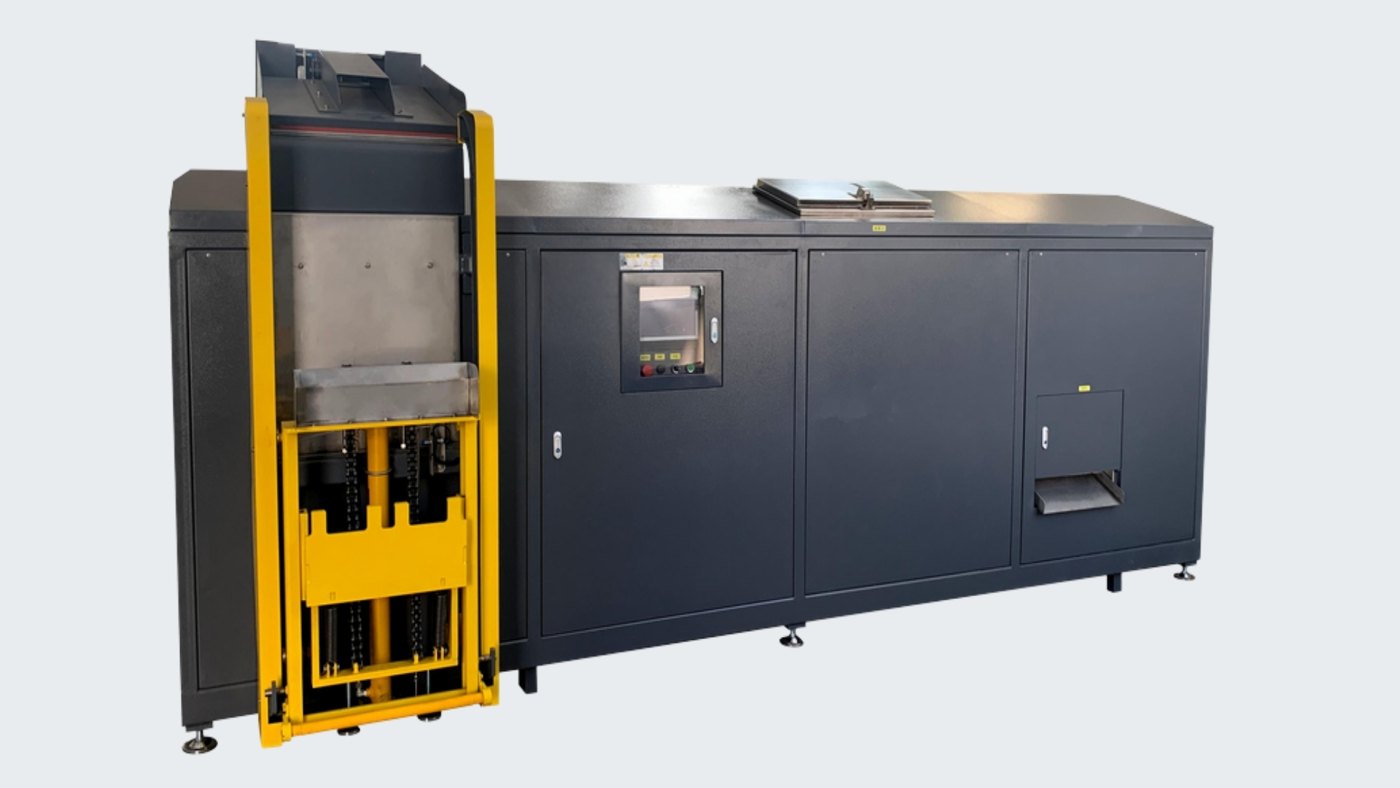
- Simple operation. On models from the ECO-130 KSN up, PLC control means one-button operation without a dedicated operator. Staff load the waste and the machine applies the right recipe for wet or oily batches automatically.
- No water connection. The machine needs power and a ventilated space, not a drain or a water line.
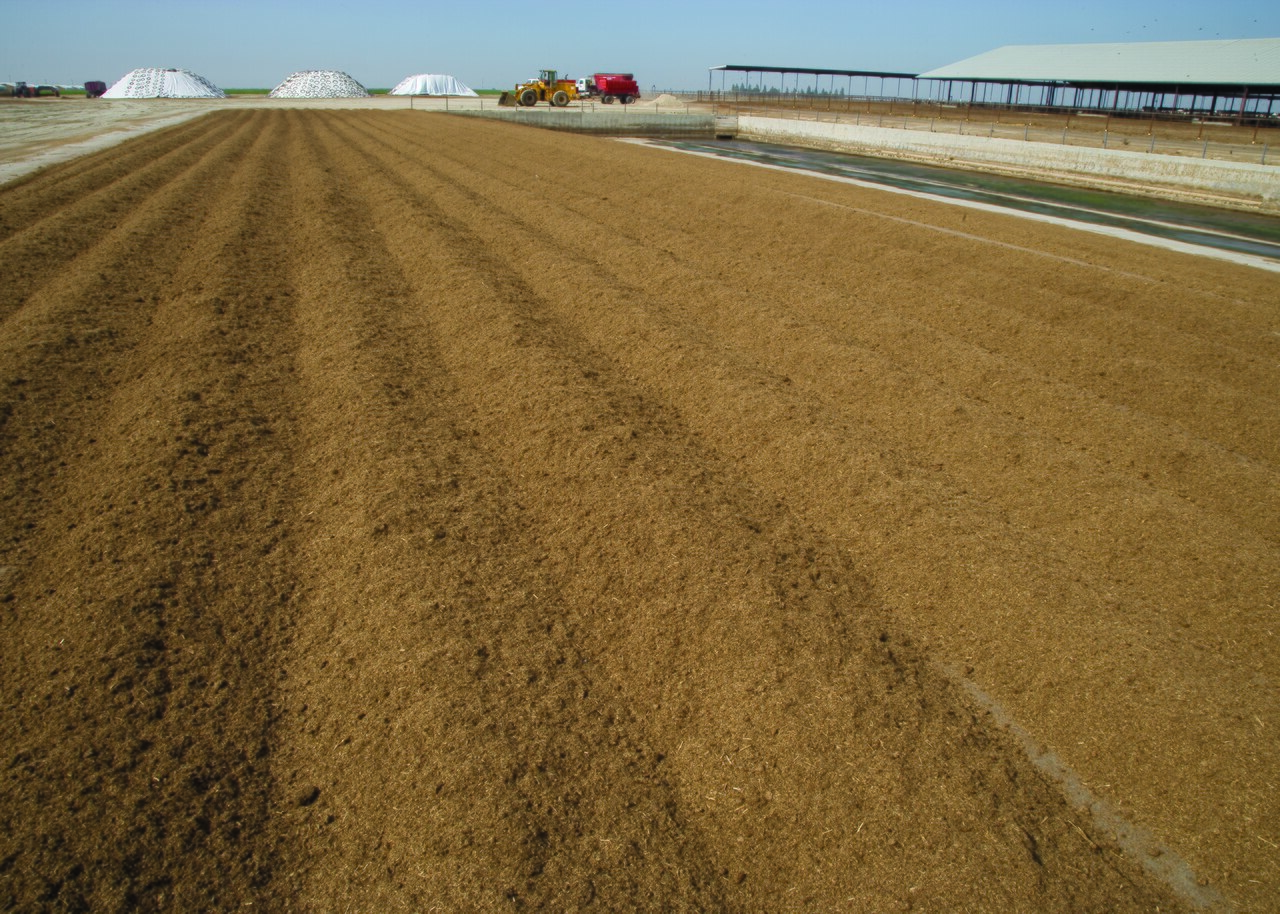
The output is fresh compost, used as a soil amendment. Sites can use it on their own grounds, gardens and landscaping, so it does not need to be hauled away at all.
What to measure before you decide
Hauling savings are real, but they depend on your contract and your waste. Before you build a business case, collect a few facts:
- Your current pickup schedule for organics and for general trash, and what each pickup costs.
- Container counts and rental fees for organics.
- Weights or volumes of food waste per day, ideally logged for two to four weeks, including your busiest days.
- The mix of waste, since wet food waste reduces more than bread, rice or landscaping material.
- Contract terms, such as minimum pickups or charges for changing the service level.
With these numbers you can model a new schedule: fewer organics pickups, fewer containers, and a small amount of compost to use on site or move on your own terms. If your city or state requires organics diversion, check how on-site processing is treated under those rules, since requirements differ by location.
Keeping track after installation
From the ECO-130 KSN up, each machine includes four load cells, an energy analyzer and OCTOEN Carbon Tracker software. The machine records what goes in, so you can compare actual volumes with your old hauling records. The same data supports ESG and sustainability reporting, and it helps when you renegotiate a hauling contract or plan capacity for the next site.
To see which model fits your daily volume, visit our products page or contact us for a site review.
Written by the OCTOEN team.
All news and blog posts