
Food waste composters for schools and universities
OCTOEN composters turn cafeteria, kitchen and grounds waste into fresh compost on campus, from 30 kg (66 lb) a day for a school kitchen to 1,000 kg (2,205 lb) for a university. This page covers sizing, safety near students, the rules and our schools and nonprofits program.
- 12-24 h
- composting cycle
- Up to 90%
- less wet food waste volume
- No
- water or drain connection
- Own factory
- every system built in Sivas, Türkiye
The challenge
What schools and campuses deal with
- Bins that fill between pickupsCafeteria leftovers are heavy and wet. They smell in warm weather and add hauling trips while they wait for pickup.
- Equipment next to studentsAnything in or beside a cafeteria has to be quiet, clean and safe, with a locked lid and no smell reaching classrooms.
- Sustainability goals that need numbersGreen campus programs and sustainability reports ask for weighed amounts. A count of the bags that went out is not enough.
How OCTOEN fits
How on-site composting fits a campus
Kitchen staff load the day's food waste and press one button. The machine runs a 12-24 hour composting cycle and cuts volume by up to 90% for wet food waste. The ECO-130 KSN and larger models run an enzyme-assisted biological process at 45-75 °C (113-167 °F), so they compost the waste rather than dry it. The fresh compost goes on lawns, gardens and school beds as an organic fertilizer or soil amendment. Erzincan Binali Yıldırım University does this with cafeteria and landscaping waste on an ECO-1000 KSN rated for 1 metric ton (2,205 lb) a day. İbn Haldun University runs an ECO-1000 KSN with an OCTOEN shredder for its green campus, and İstinye University runs the ECO-130 KSN. In Baku, where Bakı Abadlıq Xidməti runs OCTOEN composters, about 300 units are in use, including at schools that take part in a composting project.
- Under 45 dB on the ECO-30, ECO-130 and ECO-1000; under 60 dB on the ECO-500
- Built-in odor filtration (activated carbon and UVC), indoors or outdoors
- No water or drain connection; lid locks and CE safety standards
- One-button PLC control, no dedicated operator
- ECO-130 KSN and up: four load cells, an energy analyzer and OCTOEN Carbon Tracker
Recommended systems
Sized by the food waste you produce per day. Our engineers confirm the final size after a site review.
Sizing
How to size a system for a school or campus
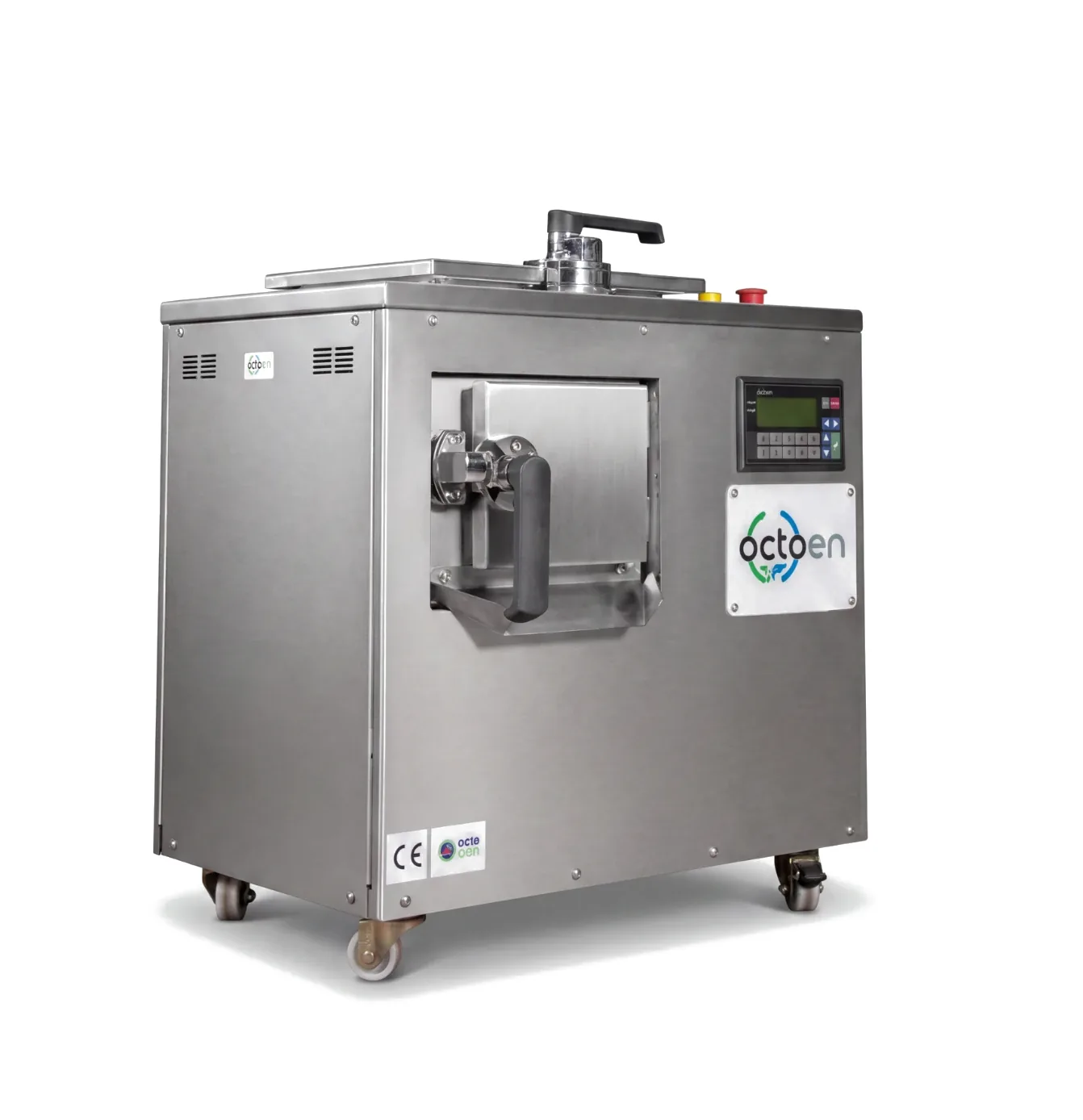
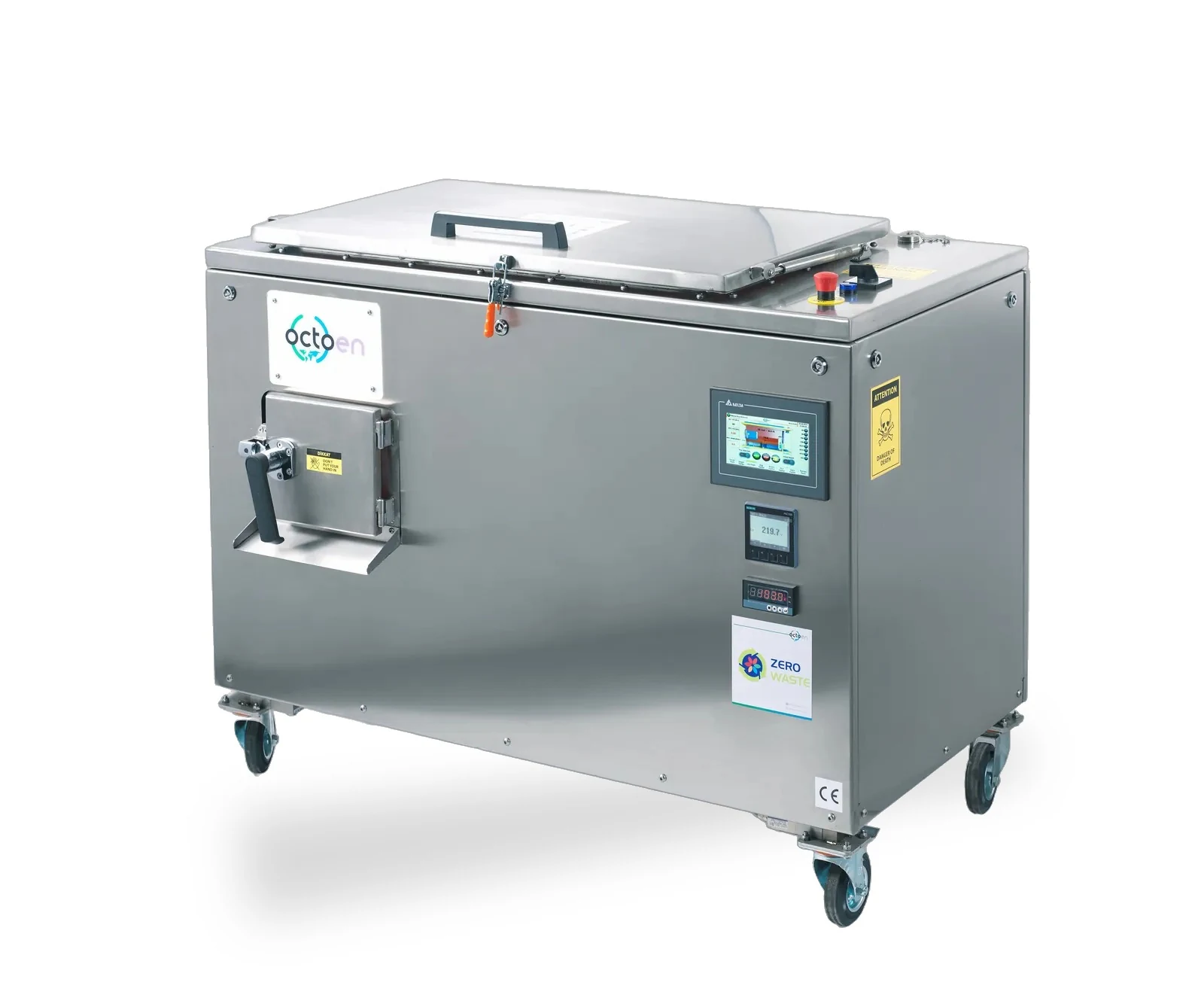
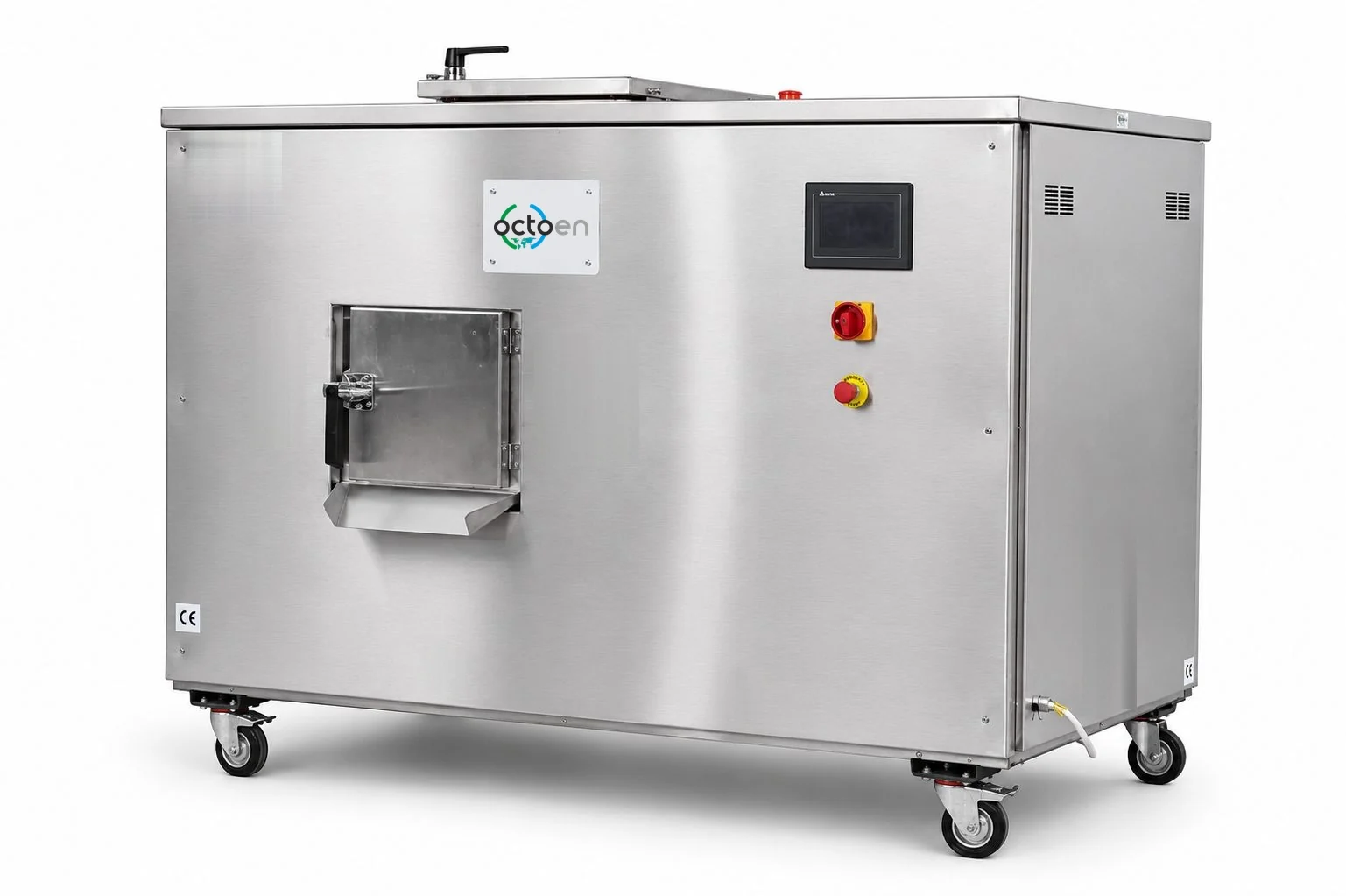
Size a campus food waste composter by meals: a common rule of thumb is about 0.26 kg (0.57 lb) of food waste per meal served. Count every kitchen that would feed the machine (cafeterias, dining halls, student housing, catering) and add leaves and grass if the grounds team wants to compost them too. Capacities are per day, so size for a normal teaching day and tell us about exam weeks and breaks. A school serving 400 meals a day lands at about 104 kg (229 lb), within the ECO-130 KSN; kitchens under 30 kg (66 lb) a day fit the ECO-30 KSN.
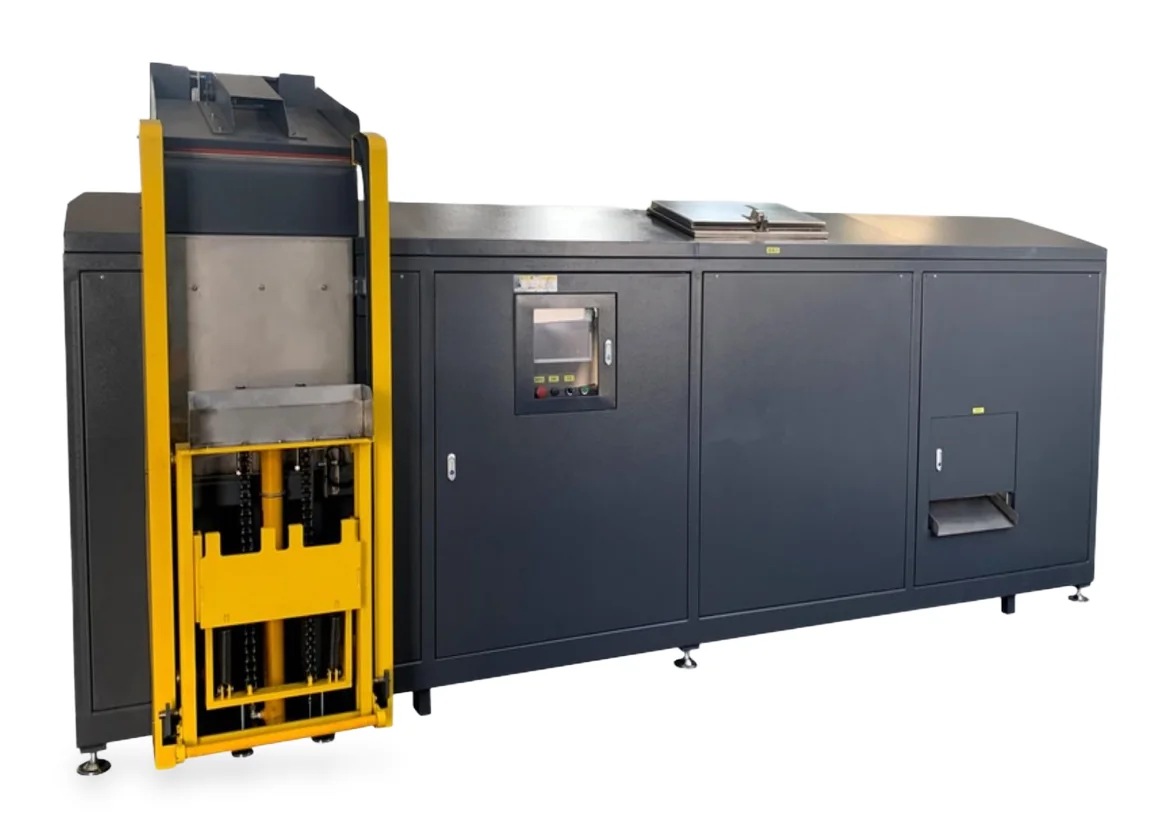
A campus that serves 1,500 meals a day produces about 390 kg (860 lb) of food waste, which fits the ECO-500 KSN.
Source: EPA Ireland, food waste in full-service restaurants
Open the system finderWhere it already runs
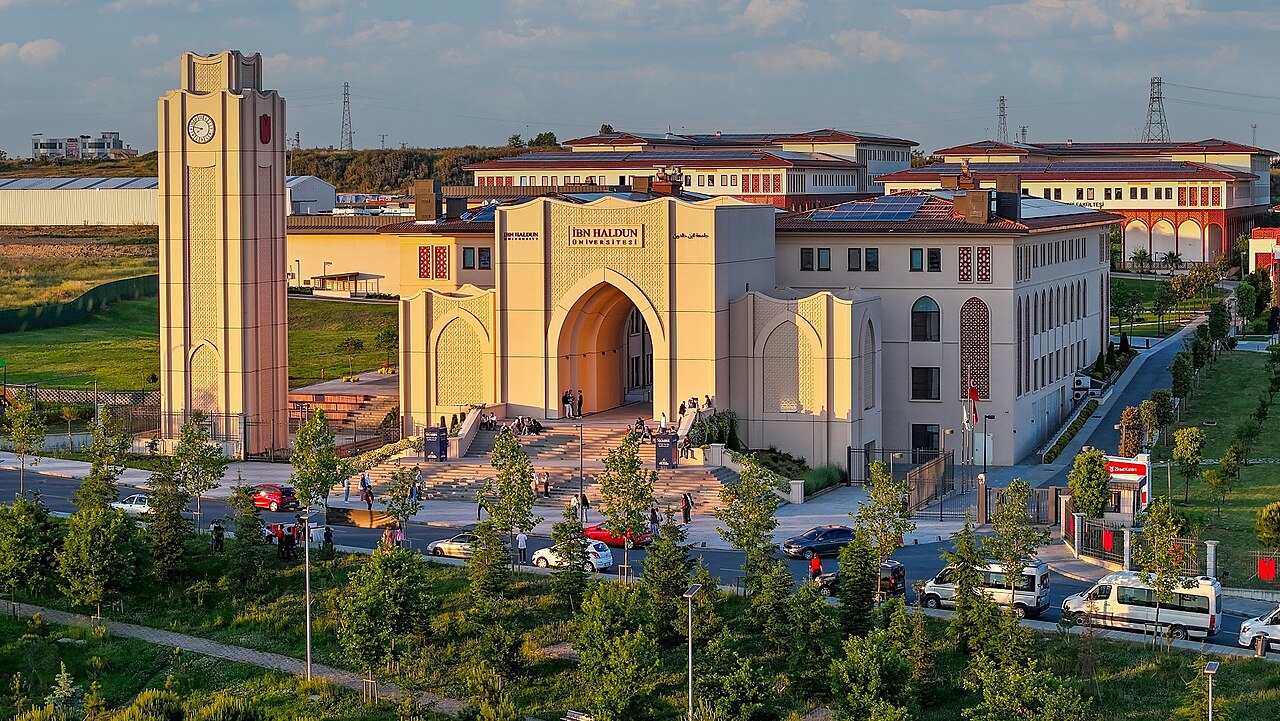 İbn Haldun UniversityIstanbul, TürkiyeSystem: ECO-1000 KSN and OCTOEN shredder
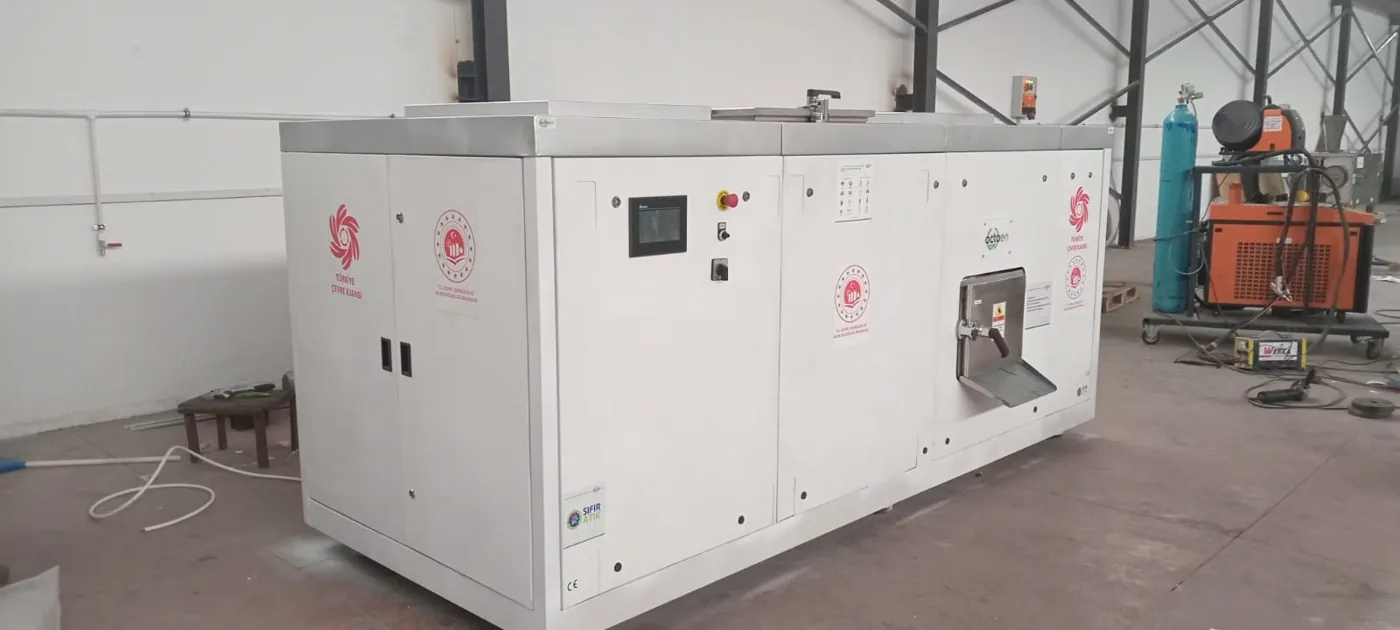 Erzincan Binali Yıldırım UniversityErzincan, TürkiyeSystem: ECO-1000 KSN
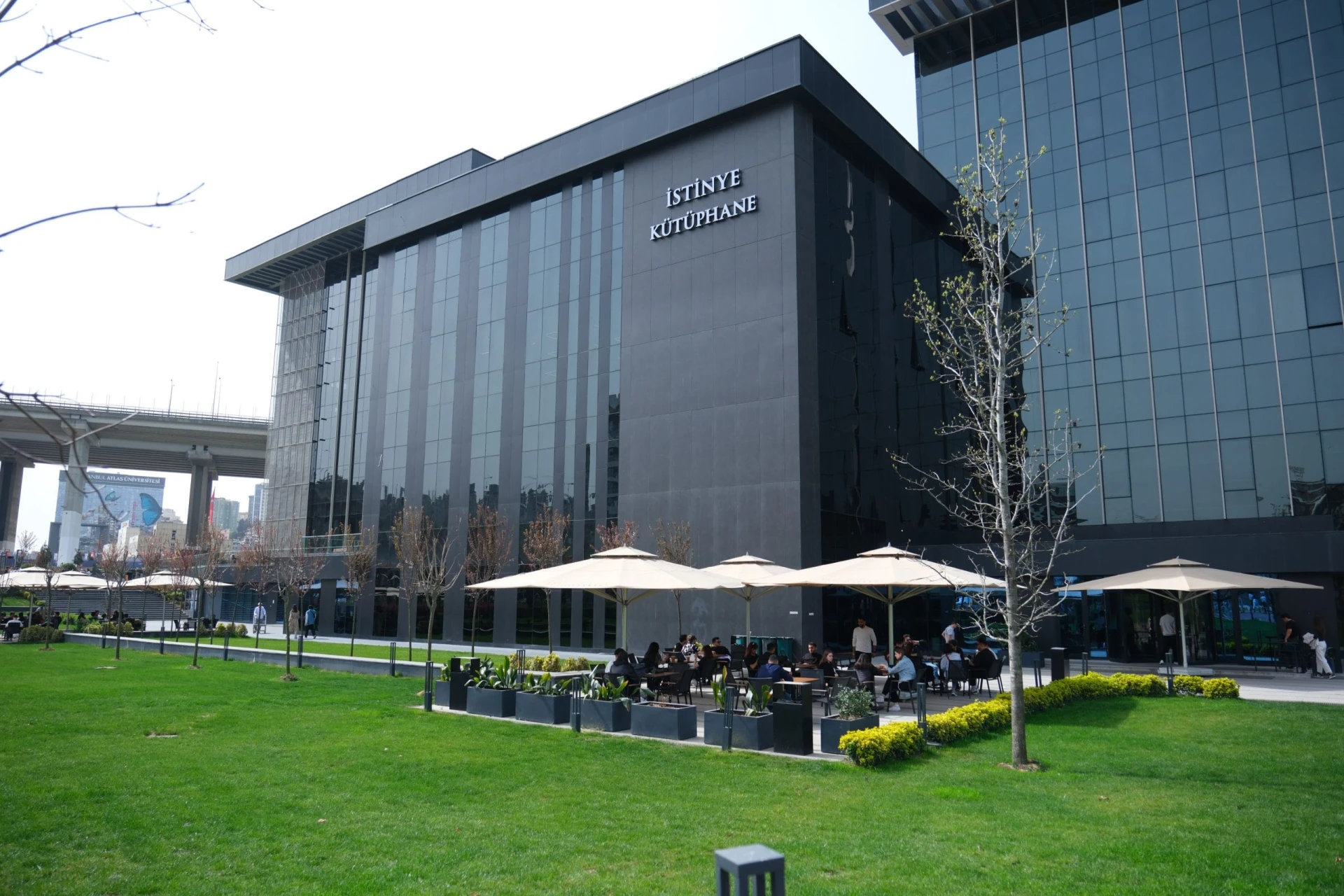 İstinye UniversityIstanbul, TürkiyeSystem: ECO-130 KSN
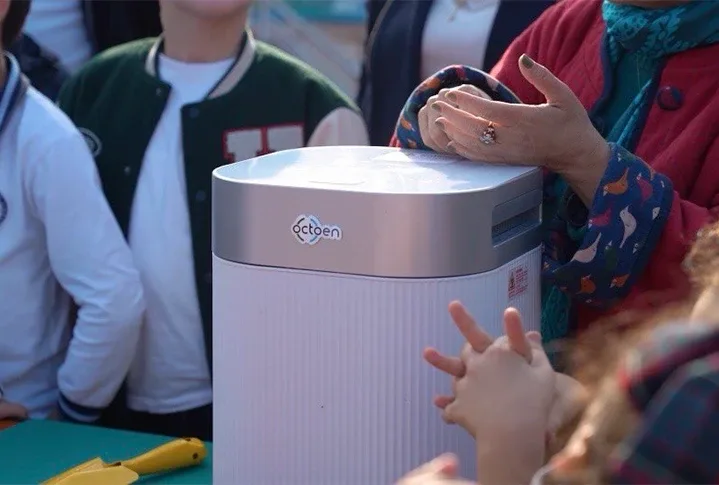 Bakı Abadlıq XidmətiBaku and Lachin, AzerbaijanSystem: 3 × ECO-1000 KSN
Rules that reach schools and colleges
There is no federal composting mandate in the US; the binding rules come from states and cities, and several name institutions. In Washington, DC, large colleges have had to separate back-of-house food waste since 2023, and an on-site in-vessel or DPW-approved system is allowed. Connecticut has covered institutions since 2025, with annual reporting, when they generate 26 tons or more of food waste a year within 20 miles of an authorized facility. Massachusetts bars businesses and institutions that dispose of half a ton or more of food material a week from sending it to a disposal facility. This is general information, not legal advice.
See the rules on our regulations pageQuestions from schools and universities
Is it safe to run a composter near students?
The machines have lid locks and are built to CE safety standards. The ECO-30, ECO-130 and ECO-1000 run under 45 dB, about the level of a quiet office, and built-in odor filtration keeps the area free of smell.
Can students use the compost in a school garden?
Yes. The machine makes fresh compost, used as an organic fertilizer or soil amendment for beds, lawns and trees. Erzincan Binali Yıldırım University uses its compost on campus green areas.
What can go in from a cafeteria?
Food leftovers and other organic waste, leaves and grass, compostable tableware and brown cardboard. Oily or wet waste gets an automatic recipe; bones and shells go through the ECO-100 Shredder first. Keep packaging, metal, glass and plastics out.
Can we report what the machine processes?
Yes. On the ECO-130 KSN and up, four load cells, an energy analyzer and OCTOEN Carbon Tracker software record the waste that went in, the energy used and the net weight at the end, with remote monitoring online.
Is there special pricing for schools?
Yes. Our schools and nonprofits program gives a program price for every ECO model, invoicing that works with your purchase order, and shipping paid by OCTOEN. Tax incentives may apply depending on your status; ask us and your advisor. Contact us for a quote.
Plan a composter for your campus
Send us your meals per day and your space. Our Chicago team will recommend a model and send a quote.