
On-farm composting machines for farms and greenhouses
An on-farm composting machine turns plant residues, culled produce and farm kitchen waste into fresh compost on site, in a 12-24 hour composting cycle. The compost goes back onto your own fields, beds and orchards as a soil amendment or organic fertilizer.
- 12-24 h
- composting cycle
- Up to 90%
- less wet food waste volume
- No
- water or drain connection
- Own factory
- every system built in Sivas, Türkiye
The challenge
What growers deal with
- Residues after harvestTrimming, clearing and sorting leave piles of leaves, stems and culled produce that rot in the open and draw pests.
- Organic matter leaving the farmResidues hauled away as waste take their organic matter with them, while the same fields may need soil amendment.
- Kitchen waste from crewsFarms that feed seasonal crews also produce kitchen waste every day, a second stream that needs a place to go.
How OCTOEN fits
How on-site composting fits a farm
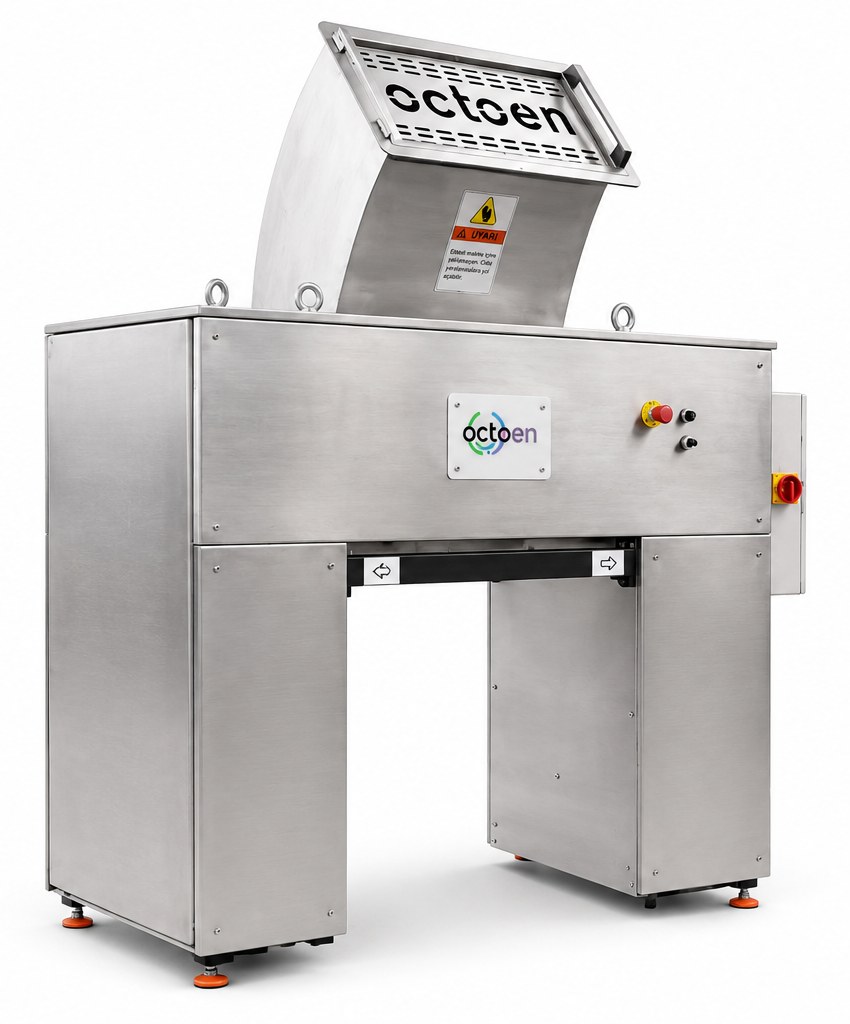
The machine stands next to the packing shed, the greenhouse or the farm kitchen, indoors or outdoors. Fibrous residues go through the ECO-100 Shredder first, which cuts them to a compost-ready size at up to 300 kg (661 lb) an hour. The composter then runs an enzyme-assisted biological process at 45-75 °C (113-167 °F). Plant residues, culled fruit and vegetables, landscaping material and kitchen waste can go in together. The machines are built for food and plant waste: manure and animal carcasses are not on the input list. The fresh compost stays on the farm as a soil amendment, so the organic matter goes back where it grew.
- Up to 90% less volume for wet food waste, 60-70% for carbohydrate-rich, fibrous or acidic material
- No water or drain connection; built-in odor filtration with activated carbon and UVC
- PLC control with one-button operation, no dedicated operator
- Load cells and OCTOEN Carbon Tracker on the ECO-130 KSN and up record what goes in
- 100% stainless steel body, dip passivated
Recommended systems
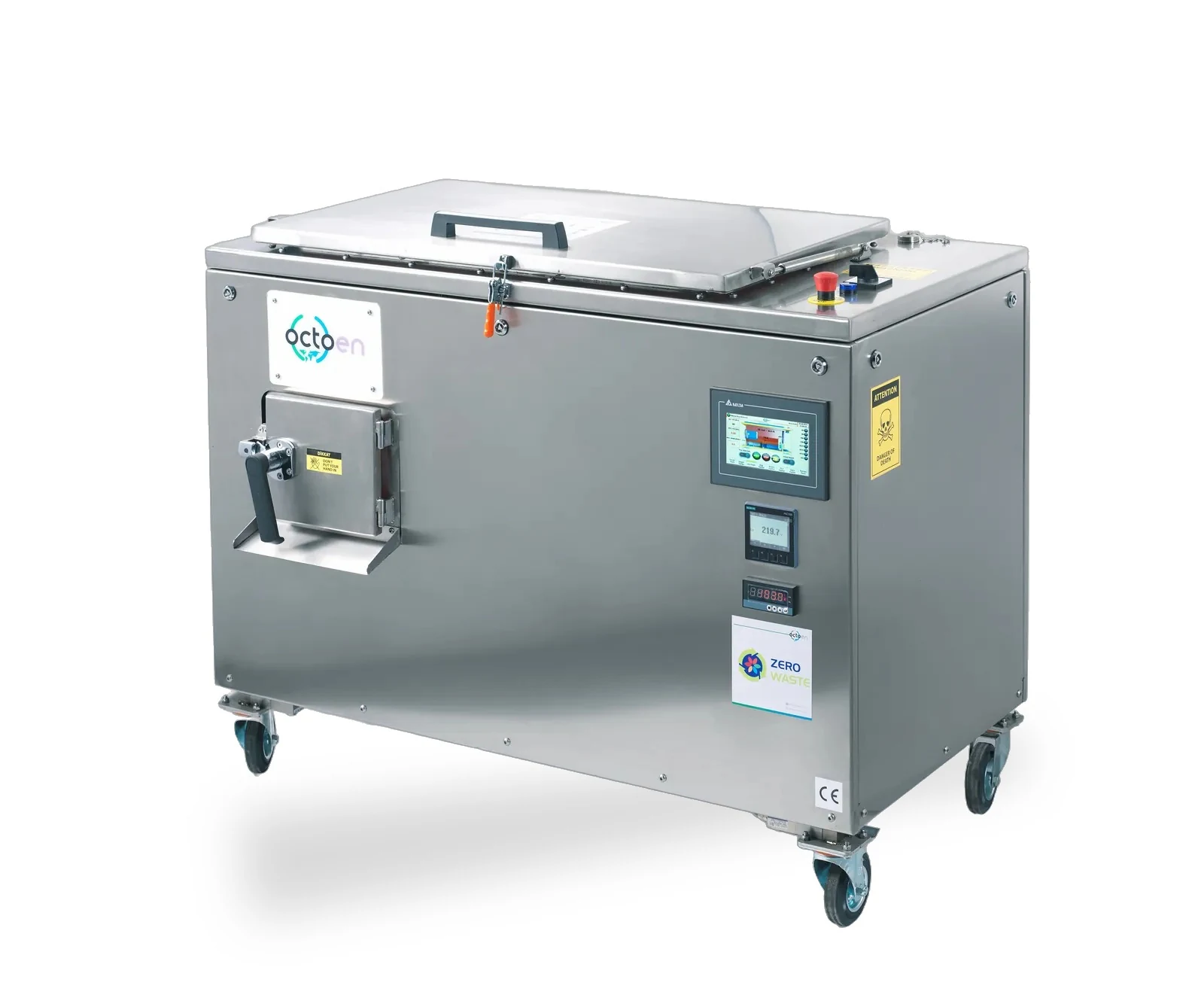
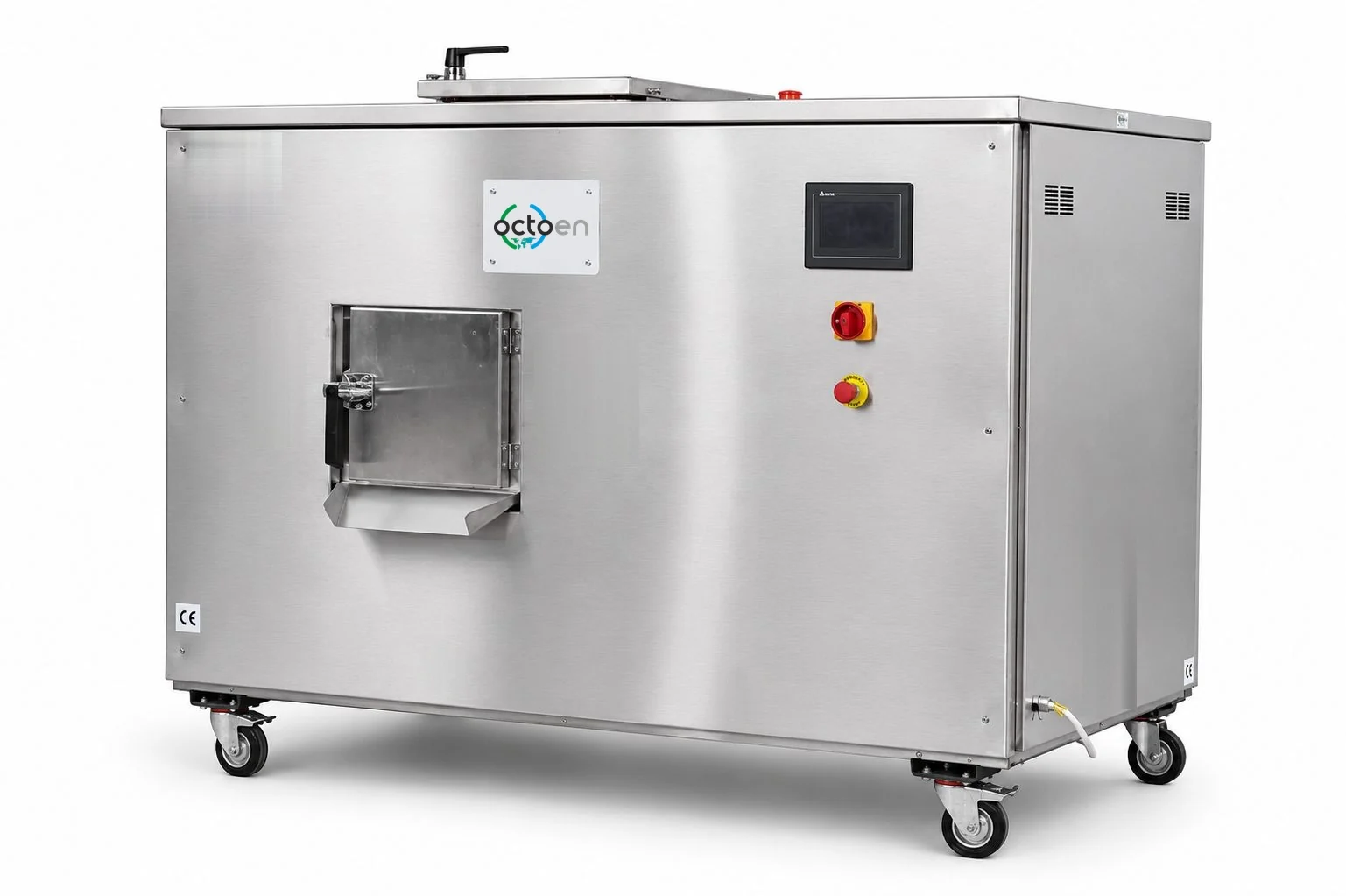
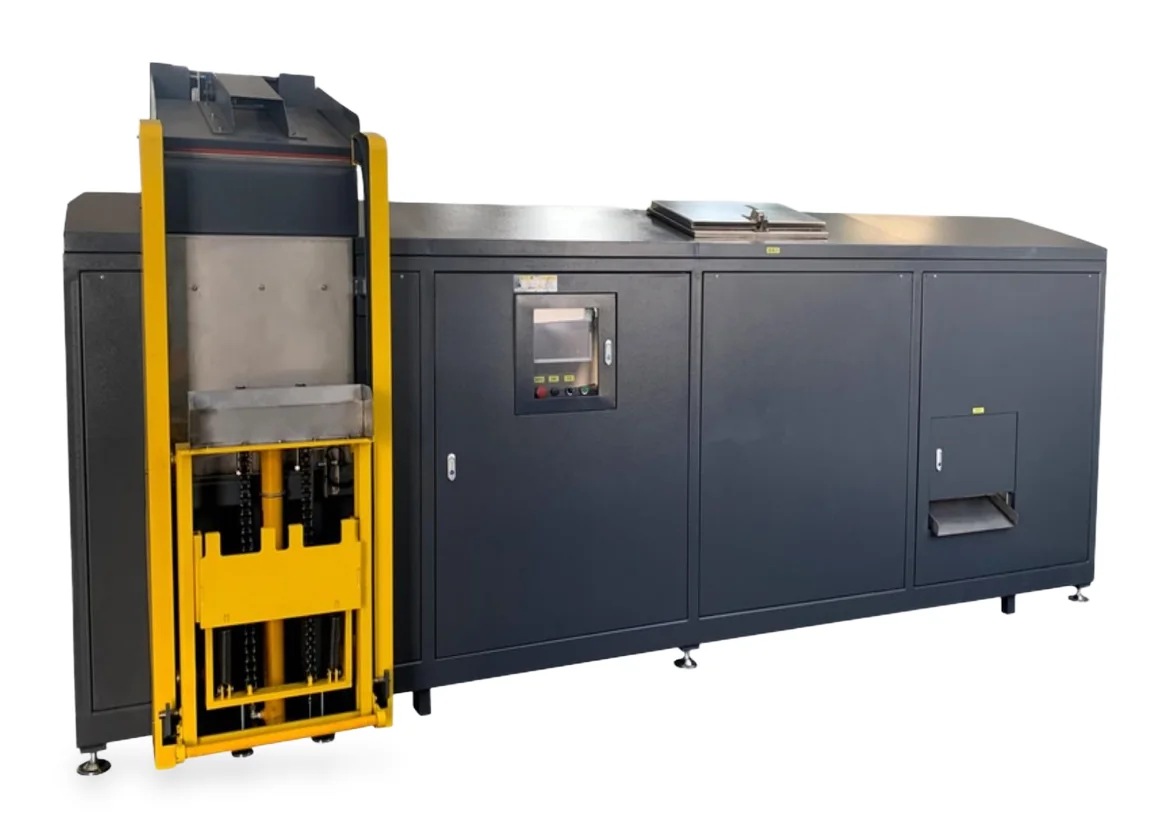
Sized by the food waste you produce per day. Our engineers confirm the final size after a site review.
Sizing
Sizing for your residues
Sizing an on-farm composting machine starts with a two- to four-week log of what you clear, trim and cull, including peak harvest weeks, plus the kitchen waste from crew meals. Plant residues are bulkier and more fibrous than kitchen waste, so we check volume as well as weight against the bin size and plan the shredder together with the composter. The ECO-130 KSN takes up to 130 kg (287 lb) a day, the ECO-500 KSN 500 kg (1,102 lb) and the ECO-1000 KSN 1,000 kg (2,205 lb). Size for your busiest regular day; our engineers confirm the final size after a site review.
A greenhouse operation that logs about 400 kg (882 lb) of plant residues and culled produce a day in peak season fits the ECO-500 KSN, with the ECO-100 Shredder in front.
Open the system finderWhere it already runs
Our references span stadiums, Michelin-starred kitchens, campuses, municipalities and a copper mine.
See all referencesZero waste goals and reporting
There is no federal composting mandate in the US. The national strategy from the EPA, USDA and FDA backs the goals of halving food loss and waste by 2030 and recycling more organic waste, and composting residues where they grow is one way to recycle organic waste. From the ECO-130 KSN up, each load is weighed and recorded, which gives your sustainability reporting measured numbers. If you plan to sell the compost or use it under an organic or food safety program, check the rules that apply to you first. This is general information, not legal advice.
See the rules on our regulations pageQuestions from growers
What can go into the machine on a farm?
Plant residues such as leaves and stems, culled fruit and vegetables, landscaping material, kitchen waste from crew meals, compostable tableware and brown cardboard. Remove plastic clips, plastic twine and pots first; fibrous material goes through the shredder.
Can it take manure or animal carcasses?
No. OCTOEN machines are built for food and organic waste such as plant residues and kitchen scraps. Manure, animal carcasses and other animal by-products stay out.
How do we use the compost?
The machine makes fresh compost. Spread it on your fields, beds and orchards as a soil amendment or organic fertilizer.
What power and site does the machine need?
Power and a ventilated space, with no water or drain connection; add a little water only if the compost gets too dry. The ECO-130 KSN runs on single-phase power (208-240 V, 60 Hz in the US); the ECO-500 KSN, ECO-1000 KSN and ECO-100 Shredder need three-phase power, confirmed per project.
How do installation and warranty work in the US?
OCTOEN LLC serves US customers from Chicago. Installation, commissioning and training are quoted with the machine, and the limited warranty runs 12 months from acceptance or 14 months from shipment. Contact us for a quote.
Plan a system for your farm
Tell us what you clear, cull and cook in a peak week, and we will recommend a model and send a written quote.