Composting systems for mining and remote camps
Mining camp food waste is heavy, wet and often far from any processor, so OCTOEN turns it into fresh compost where it is produced. At the Las Bambas copper mine in Peru, an ECO-5000 KSN line with a shredder processed 20 t of organic waste in its first week, Rumbo Minero reported.
- 12-24 h
- composting cycle
- Up to 90%
- less wet food waste volume
- No
- water or drain connection
- Own factory
- every system built in Sivas, Türkiye
The challenge
What camp and site teams deal with
- Long haul routesRemote camps are often far from the nearest composting or disposal facility, so each truckload of food waste costs fuel and driver time.
- Odor and wildlifeFood waste held at a camp brings odor and draws pests and animals, and the site has to manage that every day.
- Commitments to land and communitiesRevegetation and nursery work needs organic matter, yet the camp's food waste usually leaves the site as waste.
How OCTOEN fits
How on-site composting fits a camp
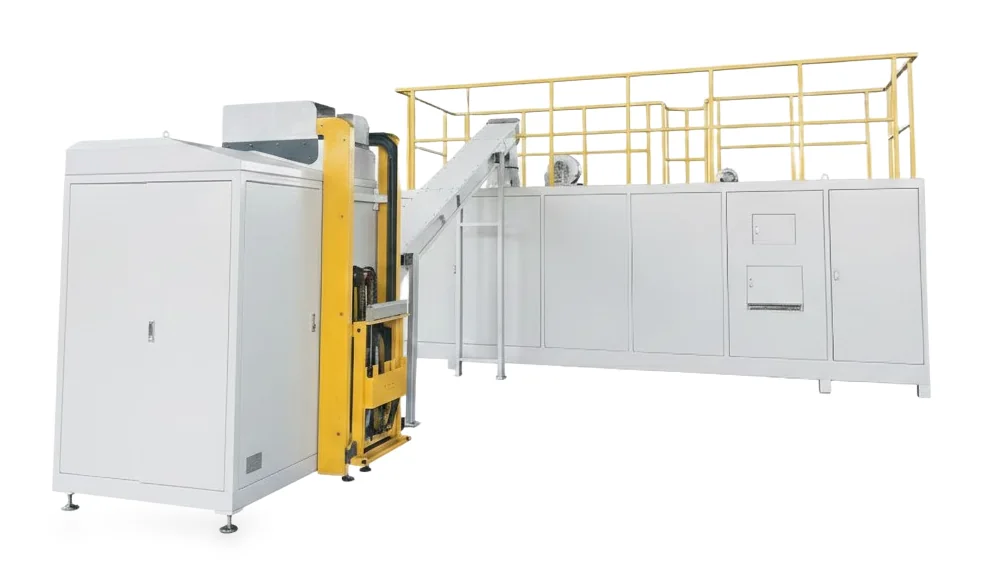
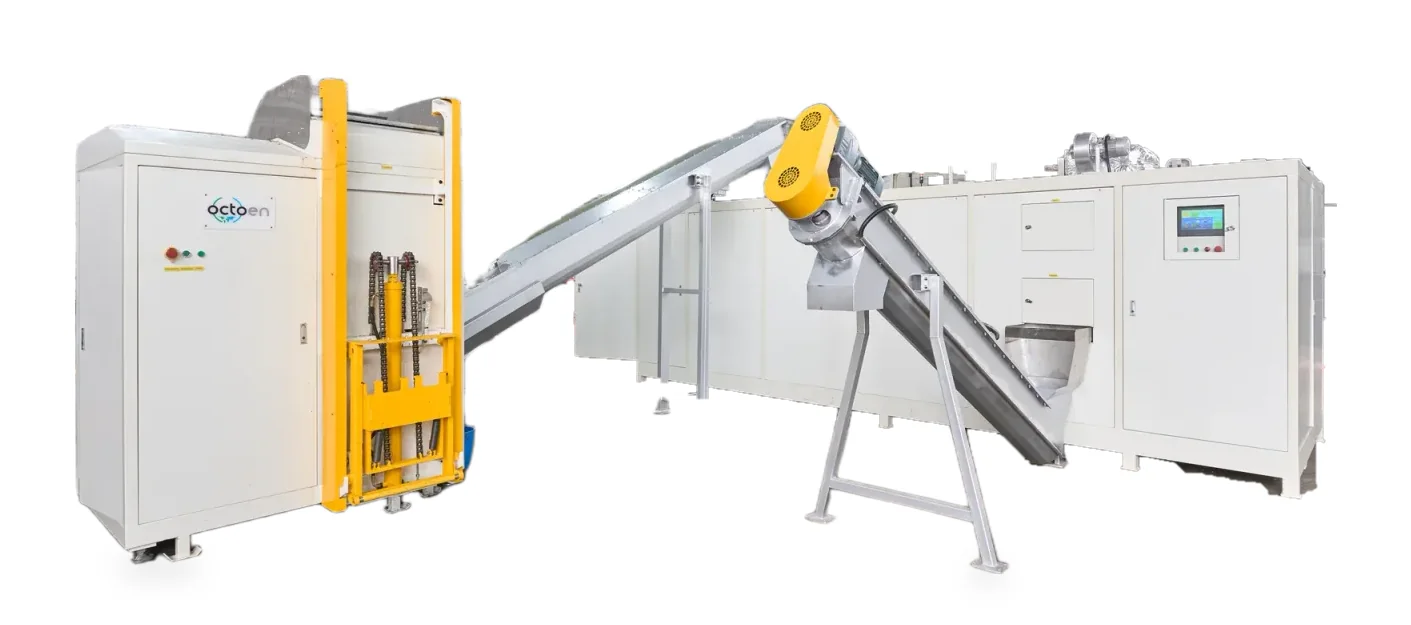
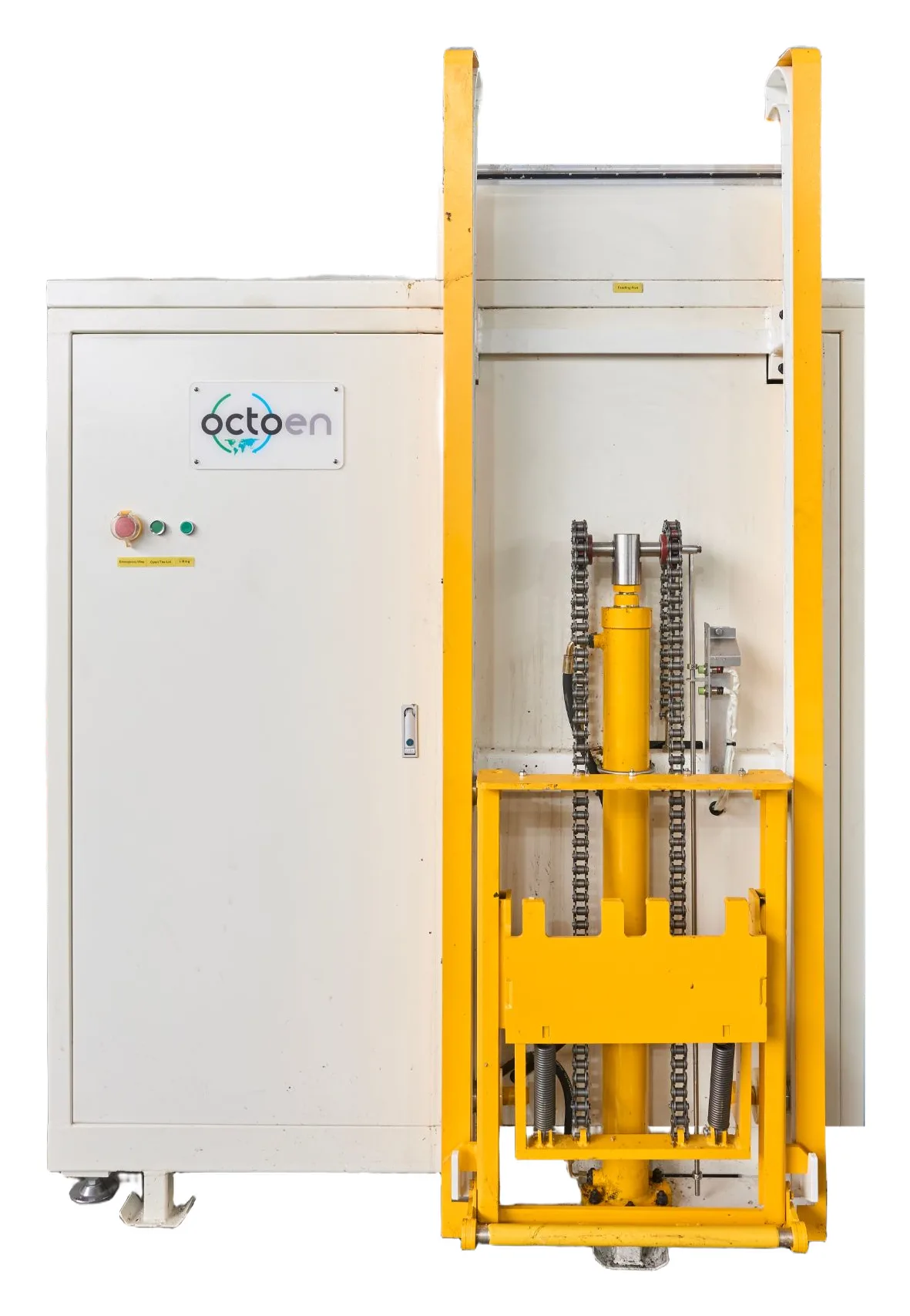
The system stands next to the camp kitchen or in a central waste yard and takes food waste every day. Large volumes are shredded first: the ECO-5000 KSN is a complete line with feed hopper, screw conveyors, shredder, dewatering unit and a closed bioreactor, and the ECO-1000 Shredder feeds the other models with evenly sized material. An enzyme-assisted biological process at 45-75 °C (113-167 °F) composts the waste in a 12-24 hour cycle; this is not a dehydrator. At Las Bambas, the compost goes to revegetation, the mine's nurseries and nearby communities. The line was delivered and is serviced with our distributor PESCO.
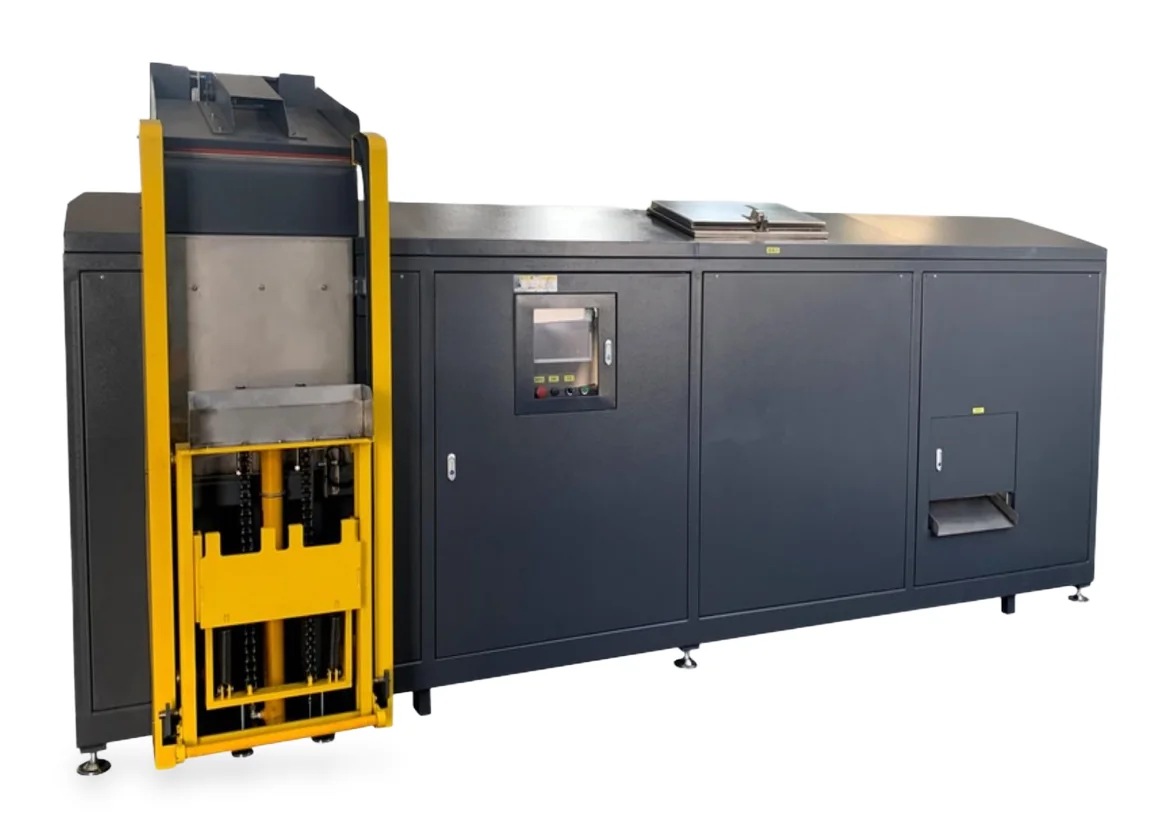
- ECO-1000 KSN: 1,000 kg (2,205 lb) a day with a built-in bin lifter, under 45 dB
- ECO-2500 KSN: 2,500 kg (5,512 lb) a day, about 912 t a year, with bin lifter, shredder and automatic discharge
- ECO-5000 KSN: 5,000 kg (11,023 lb) a day, about 1,825 t a year, as a complete line
- Above 5,000 kg (11,023 lb) a day: a line designed for your site, with shredding and dewatering where needed
- Assembly, installation and service facilities in Peru and Chile
Recommended systems
Sized by the food waste you produce per day. Our engineers confirm the final size after a site review.
Sizing
Sizing for your camp population
To size a system for mining camp food waste, start from the meals the camp kitchens serve in a day: workers on every shift, contractors and visitors. A rule of thumb is about 0.26 kg (0.57 lb) of food waste per meal. Size for the camp at full occupancy, such as during a shutdown or a construction peak, and plan the shredder and bin handling together with the composter. Our engineers confirm the final size after a site review.
A camp of 2,000 people eating three meals a day serves 6,000 meals and produces about 1,560 kg (3,439 lb) of food waste a day, which fits the ECO-2500 KSN.
Source: EPA Ireland, food waste in full-service restaurants
Open the system finderWhere it already runs
See all references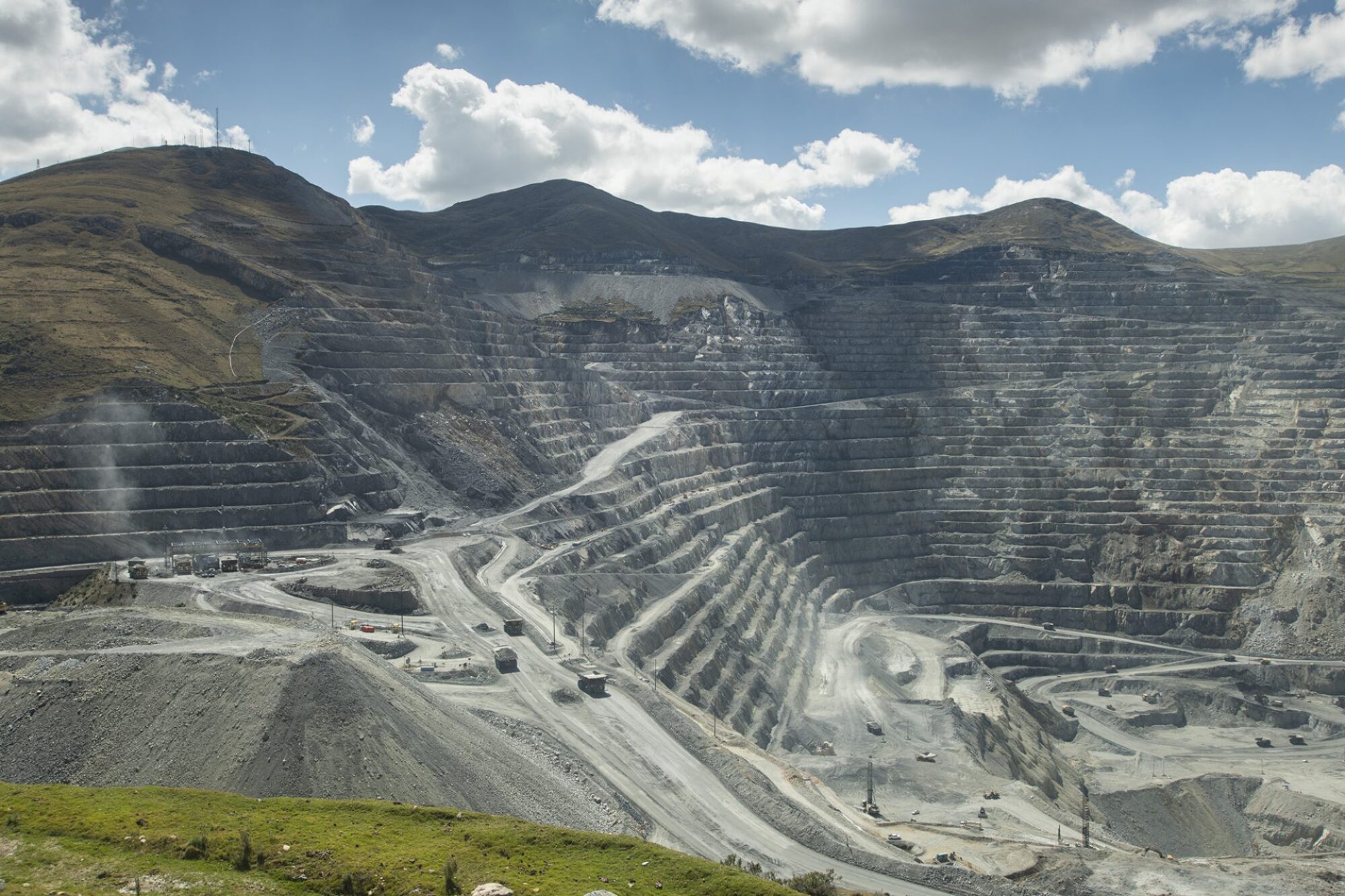
Rules and reporting
In Peru, Legislative Decree 1278 puts the recovery of waste ahead of final disposal, and its regulation, Supreme Decree 014-2017-MINAM, lists composting among recovery operations. In Chile, Law 20.920 is the framework for waste management and recycling. Colombia's Zero Waste Program (Decree 670 of 2025) includes on-site treatment of organics in hard-to-reach areas. In any jurisdiction, the line's records give your environmental team measured data: from the ECO-130 KSN up, OCTOEN machines weigh each load with load cells and log it in OCTOEN Carbon Tracker, ready for ESG and community reporting. This is general information, not legal advice.
See the rules on our regulations pageQuestions from mining and camp operators
Where does OCTOEN already run at a mine?
At the Las Bambas copper mine of MMG in Apurímac, Peru. An ECO-5000 KSN line with a shredder turns the camp's food waste into compost on site; in its first week it processed 20 t of organic waste, according to Rumbo Minero.
Who installs and services systems in Peru and Chile?
OCTOEN has assembly, installation and service facilities in Peru and Chile. The Las Bambas line was delivered and is serviced with our distributor PESCO.
What does the site need for a large line?
Large models run on three-phase industrial power; site voltage and frequency are confirmed per project, and the machine is configured accordingly. The site also needs a grounded supply with residual-current protection, a ventilated area and a flat, load-bearing floor. Placing the machine with a forklift or crane is the buyer's responsibility.
How long does production take?
The ECO-5000 KSN line has a production lead time of 90 days. Lead times for the other models are confirmed in your quote.
Does it also suit construction camps?
Yes. Our distributor PESCO brings OCTOEN systems to mining and construction sites. The size depends on the daily food waste, not on the type of project. Contact us for a quote.
Plan a system for your camp
Tell us your camp population and meal count, and we will size a line and send a written quote.