
Food waste composting for stadiums and event venues
OCTOEN on-site food waste composters process kitchen and concession waste at the venue, from 130 kg (287 lb) to 1,000 kg (2,205 lb) a day. Tottenham Hotspur Stadium and Parken Stadium run them today; this page covers sizing for event days and the Cook County rules for large venues.
- 12-24 h
- composting cycle
- Up to 90%
- less wet food waste volume
- No
- water or drain connection
- Own factory
- every system built in Sivas, Türkiye
The challenge
What venue operations deal with
- Most of the waste in a few daysFood waste piles up on event days and drops between them. Hauling is planned for the peak, and full bins wait at the dock until pickup.
- Tight back-of-house spaceKitchens, concessions and loading docks have little room, and rarely a spare water or drain line for new equipment.
- Rules with dates and reportsLarge venues in suburban Cook County must divert back-of-house organics now and add front-of-house collection on January 1, 2027, with quarterly reports.
How OCTOEN fits
How on-site composting fits a venue
Kitchen and concession teams load food waste as it comes in, and the machine runs a 12-24 hour composting cycle with an enzyme-assisted biological process at 45-75 °C (113-167 °F). Volume drops by up to 90% for wet food waste. Stadium food waste composting with OCTOEN needs no water or drain connection, and built-in odor filtration lets the machine stand indoors or outdoors. The fresh compost is used on landscaping as an organic fertilizer or soil amendment. Tottenham Hotspur Stadium in London processes food waste from its match-day kitchens on site with an ECO-130 KSN. Parken Stadium in central Copenhagen runs an ECO-500 KSN with an OCTOEN shredder, quietly and without odor.
- ECO-130 KSN: 130 kg (287 lb) a day, 1,350 × 720 mm (53 × 28 in), single phase
- ECO-500 KSN: 500 kg (1,102 lb) a day; ECO-1000 KSN: 1,000 kg (2,205 lb) with a built-in bin lifter
- No water or drain connection; activated carbon and UVC odor filtration
- Under 45 dB on the ECO-130 and ECO-1000, under 60 dB on the ECO-500
- Four load cells, an energy analyzer and OCTOEN Carbon Tracker record what goes in
Recommended systems
Sized by the food waste you produce per day. Our engineers confirm the final size after a site review.
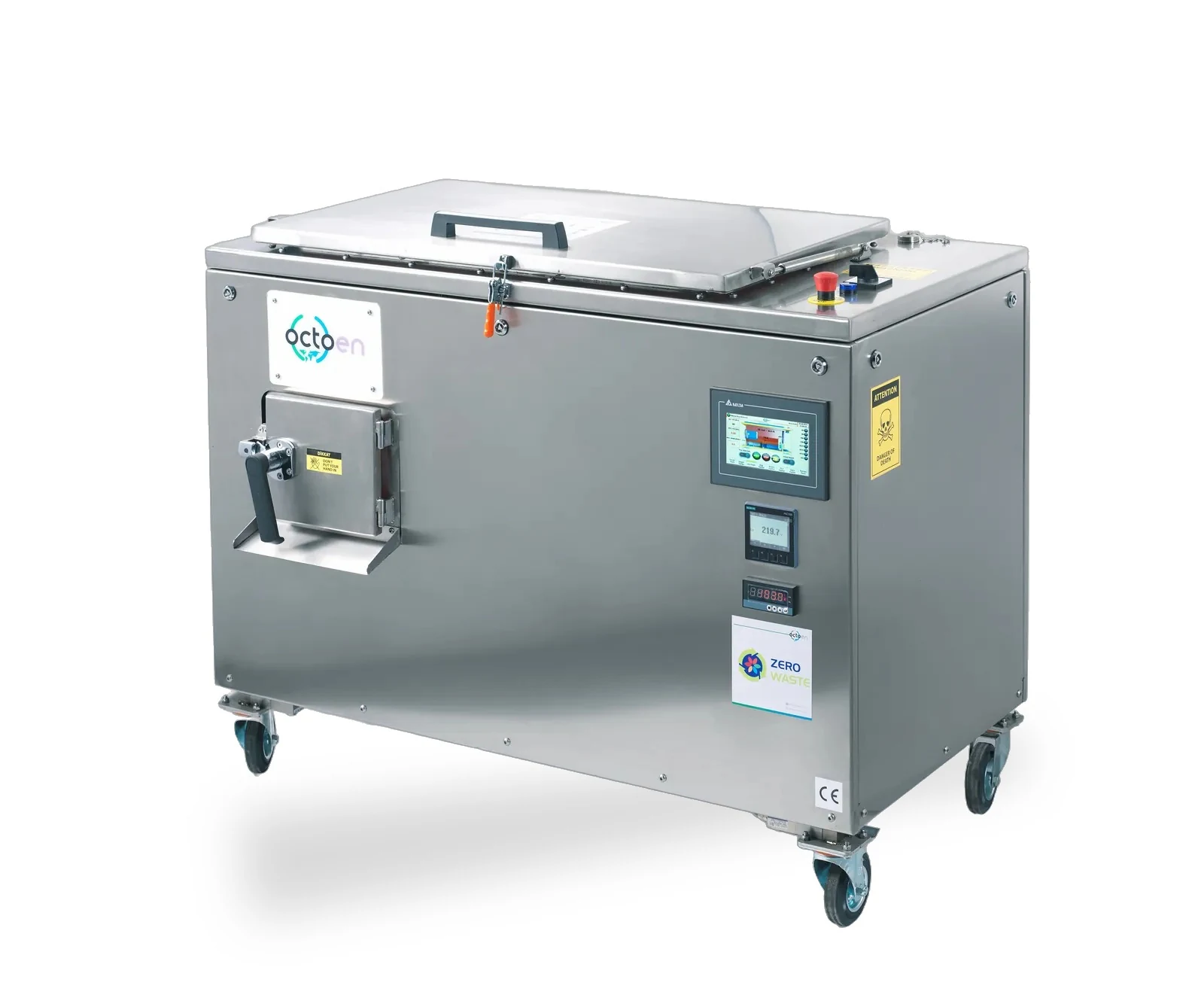
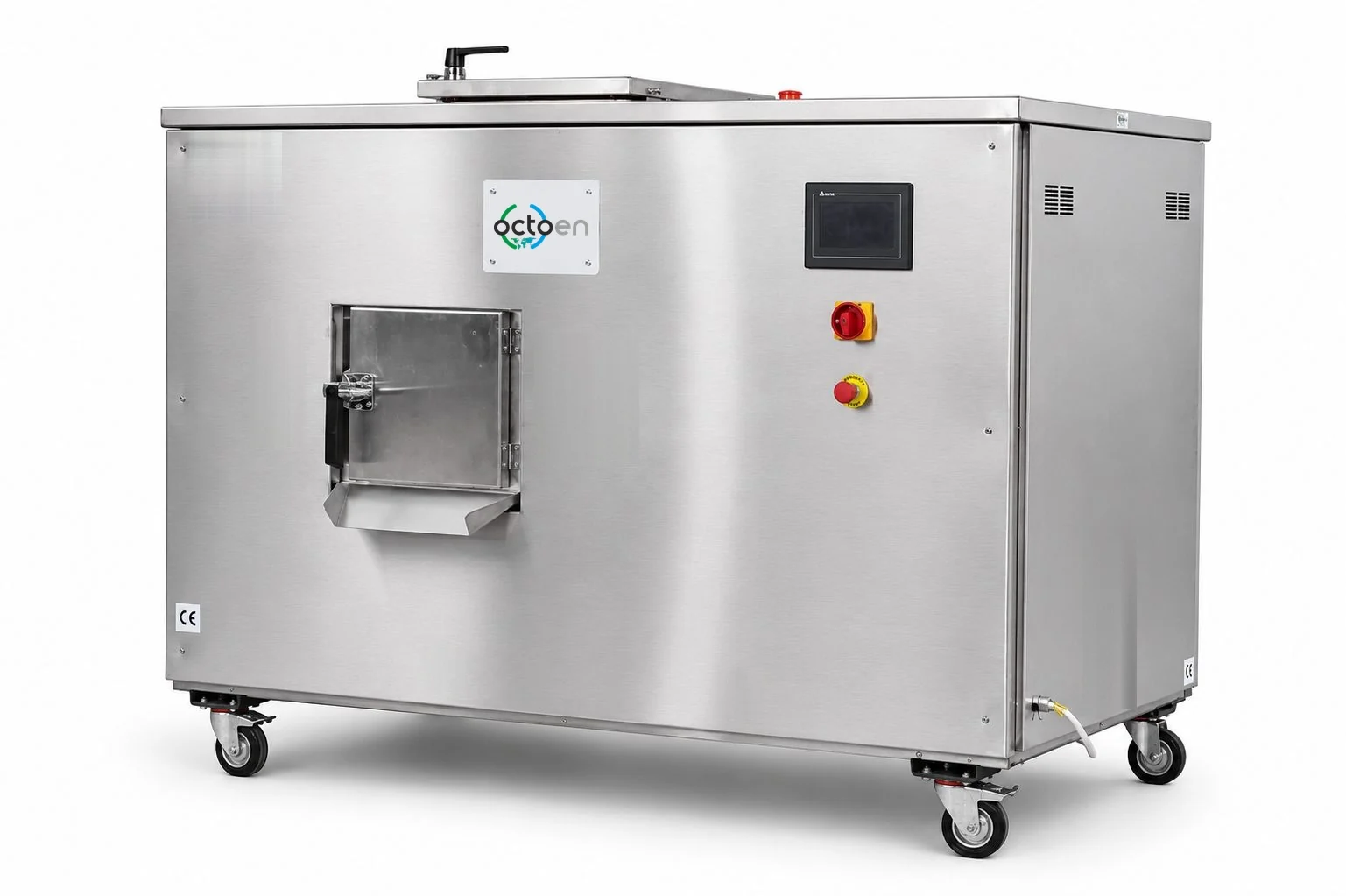
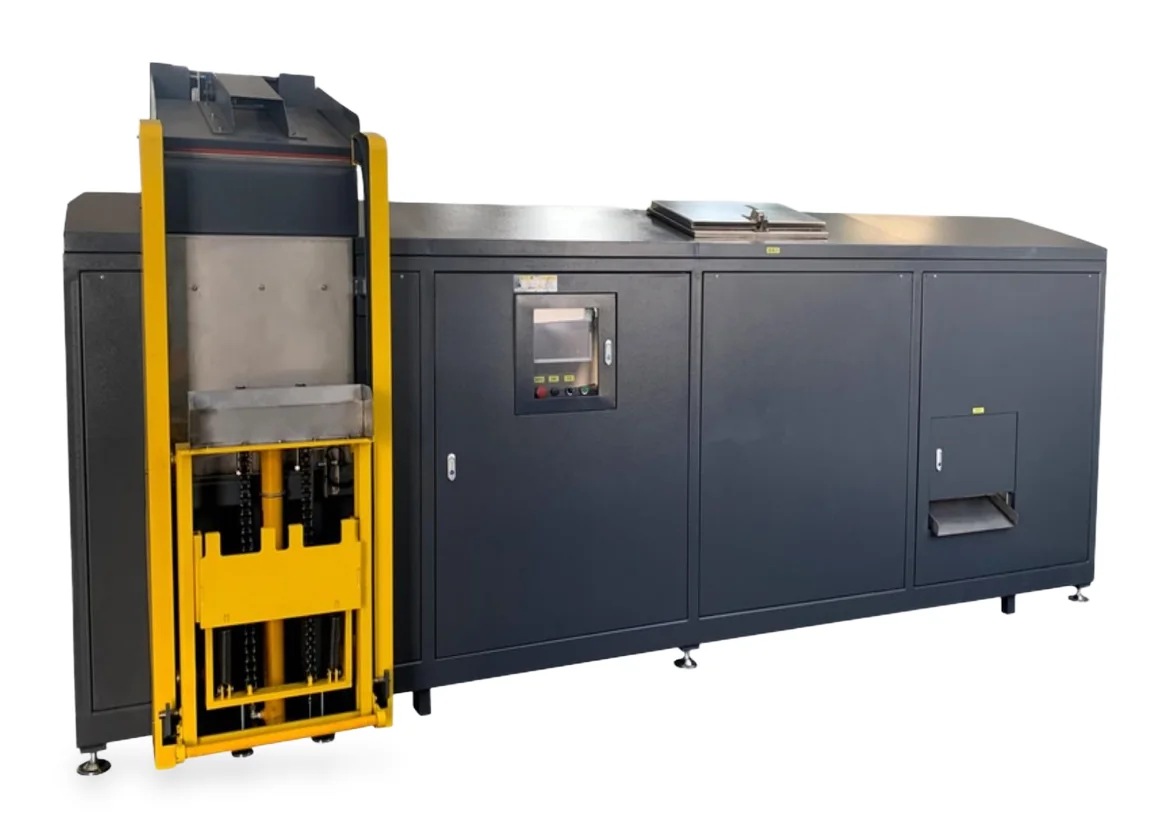
Sizing
How to size a system for a venue
Start with attendance. A rule of thumb is about 0.26 kg (0.57 lb) of food waste per attendee on an event day, based on one meal per person. Adjust for what you serve: suites, staff meals and catering add waste, while a concert with little food service produces less. Capacities are per day, so tell us how many event days you run in a week and whether you start with back-of-house kitchen waste, as Tottenham Hotspur Stadium does with its match-day kitchens. Our engineers confirm the size after a site review.
A venue filled to 3,500 people, the capacity threshold in the Illinois and Cook County rules, produces about 910 kg (2,006 lb) of food waste on an event day, which fits the ECO-1000 KSN.
Source: EPA Ireland, one meal per attendee
Open the system finderWhere it already runs
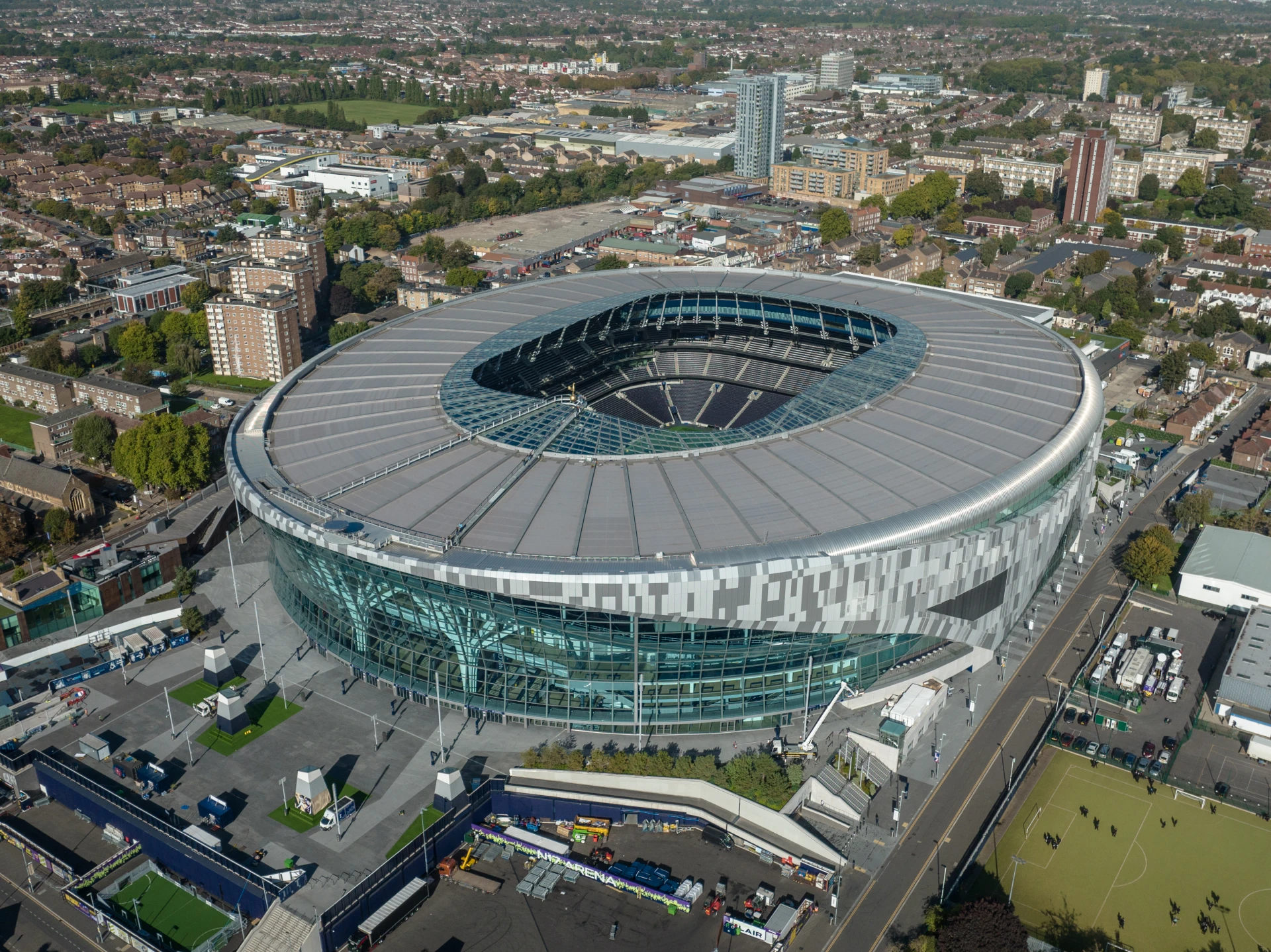 Tottenham Hotspur StadiumLondon, UKSystem: ECO-130 KSN
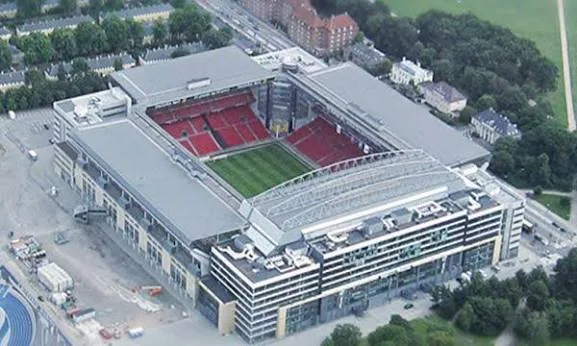 Parken StadiumCopenhagen, DenmarkSystem: ECO-500 KSN and OCTOEN shredder
Rules for large venues
Since January 1, 2025, Illinois' Large Event Facilities Act (415 ILCS 190) has required event facilities with a legal capacity of 3,500 or more to offer recycling and separate composting of organic waste in counties that have composting facilities. Cook County Code Sections 30-921 and 30-922 add dates for venues with a capacity above 3,500: back-of-house organics and recycling diversion from January 1, 2026, front-of-house collection from January 1, 2027, and a report every quarter. The county page does not say whether on-site processing counts toward diversion, so confirm with the Department of Environment and Sustainability. Washington, DC has required arenas to separate back-of-house food waste since 2024, with on-site in-vessel systems allowed. This is general information, not legal advice.
See the rules on our regulations pageQuestions from venue operators
Does on-site composting count toward Cook County's diversion rule?
The county page does not say, so check with the Cook County Department of Environment and Sustainability. On the ECO-130 KSN and up, four load cells and OCTOEN Carbon Tracker give you weighed data on what went in and the net weight at the end.
Can it handle event-day peaks?
Capacity is set per day, and a composting cycle takes 12-24 hours. We size the system from your event calendar and the volume of your busiest days, and our engineers confirm the final size after a site review.
What can go in from concessions and suites?
Food waste, compostable tableware and brown cardboard. Oily or wet loads get an automatic recipe, and bones and shells go through the ECO-100 Shredder. Plastic cups, film, cans and glass stay out, so sorting at the bins matters.
Where does the machine go in a stadium?
Anywhere with a flat, load-bearing floor and ventilation, indoors or outdoors, often near the kitchens or the dock, with no water or drain line. Larger models need three-phase power, typically 480 V or 208 V, 60 Hz in the US; placing the machine by forklift or crane is the buyer's responsibility.
Who installs and services venue systems in the US?
OCTOEN LLC serves US customers from Chicago, where we assemble, install and service systems. Installation, commissioning and staff training are quoted per project; the limited warranty runs 12 months from acceptance or 14 months from shipment.
Plan on-site composting for your venue
Send us your capacity, event calendar and kitchen layout, and our Chicago team will recommend a system and send a quote.