How to Get Rid of Maggots in Your Trash Can
Finding maggots in your trash can is unpleasant, especially when it happens without warning. The good news is that the cause is simple and the fix is mostly about cleaning and keeping food scraps away from flies.
Why Are There Maggots in My Trash?
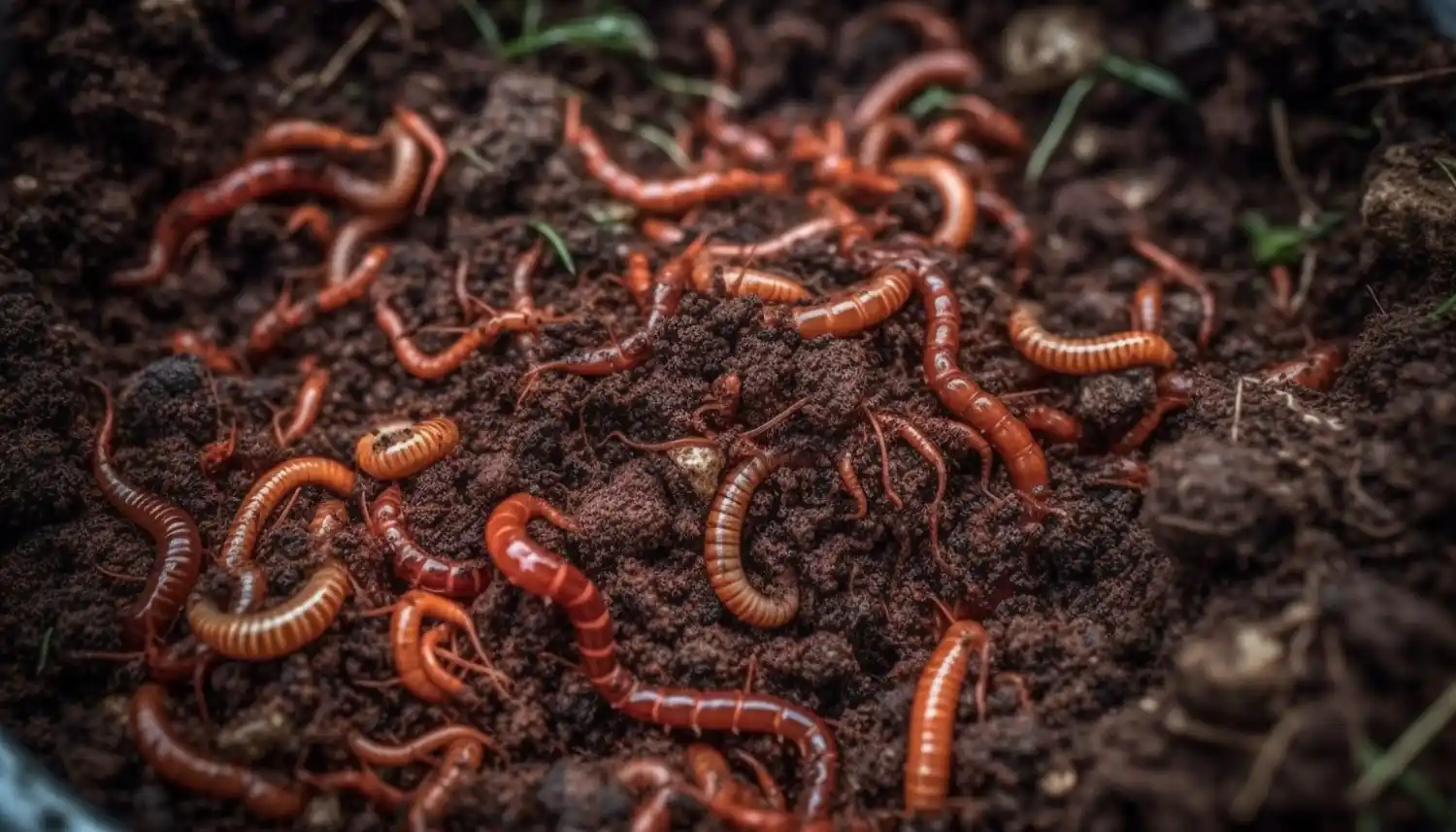
Maggots are fly larvae. Flies are drawn to the smell of rotting food and lay their eggs on it. In warm weather the eggs can hatch within a day, and the small white larvae feed on the waste. Open bins, torn bags and food residue at the bottom of the can give flies everything they need.
How to Kill Maggots in a Trash Can
Start by removing all the waste, especially food scraps. Then use one of these methods:
- Boiling water: pour it over the larvae to kill them. Take care not to splash yourself, and check that your bin can take very hot water; some thin plastics can warp.
- Salt and vinegar: salt dries out the larvae and vinegar helps clean the bin. Apply generously to the affected areas.
- Insecticide: for stubborn cases, use a product labeled for this use and follow the manufacturer's instructions.
Steps to Clean a Maggot-Infested Trash Can
Step 1: Remove the Trash
Seal the waste in heavy-duty bags and tie them tightly. Whether your hauler will take garbage with maggots depends on local rules; sealed bags usually solve the problem.
Step 2: Kill the Larvae
Pour boiling water over any remaining maggots, or use the salt and vinegar method above.
Step 3: Scrub the Trash Can
Scrub the inside with a brush, hot water and dish soap. Pay attention to corners and the bottom, where residue collects.
Step 4: Sanitize the Trash Can
Wipe or rinse the bin with a vinegar-water solution or a diluted bleach solution. Never mix bleach and vinegar; the combination releases toxic gas. Rinse well.
Step 5: Dry and Prevent Future Infestations
Let the can dry completely, ideally in the sun. A thin layer of diatomaceous earth or salt at the bottom of a dry bin helps keep it dry and less inviting to larvae.
Preventing Future Maggot Infestations
- Bag food waste and tie the bags tightly.
- Keep the lid closed and replace damaged lids.
- Rinse the bin regularly, more often in summer.
- Put meat and fish scraps out close to collection day, or freeze them until then.
- Keep food scraps out of the trash altogether by composting them.
If the problem keeps coming back, or you are dealing with a large area such as a dumpster enclosure, a professional pest control service can help.
Keeping Food Scraps Out of the Trash with OCTOEN
Composting food scraps, for example with an OCTOEN composter, takes away the food that attracts flies.
- At home: the ECO-05 KSN kitchen composter is a countertop unit with a 3 L bin. It uses heat, grinding, cooling and UV-C to break down 90% of kitchen scraps; the remaining 10% is a soil amendment for pots and gardens.
- Restaurants and larger sites: the ECO-30 KSN and larger models process food waste on site in a 12-24 hour composting cycle that produces fresh compost; from the ECO-130 KSN up, built-in odor filtration keeps them odorless.
Either way, food waste goes into a closed machine instead of an open bin. Learn more ways to reduce food waste.
Frequently Asked Questions About Maggots
What causes maggots to appear in a trash can?
Flies lay eggs on exposed food waste. Warm weather and unsealed bags make it easier.
How can you get rid of maggots naturally?
Empty the bin, pour boiling water over the larvae, scrub with hot soapy water and vinegar, and let the bin dry in the sun.
Do essential oils keep flies away?
Some people spray diluted peppermint, eucalyptus or lemongrass oil in a clean bin. It may help a little, but a closed lid and a clean bin matter more.
Which waste attracts flies fastest?
Meat, fish, dairy and moist fruit scraps. Seal these well or keep them out of the trash.
Can OCTOEN composters be used in commercial facilities?
Yes. OCTOEN's commercial models range from the ECO-30 KSN (30 kg, 66 lb a day) to the ECO-5000 KSN (5,000 kg, about 11,000 lb a day).
First published on octoen.com.
All news and blog posts