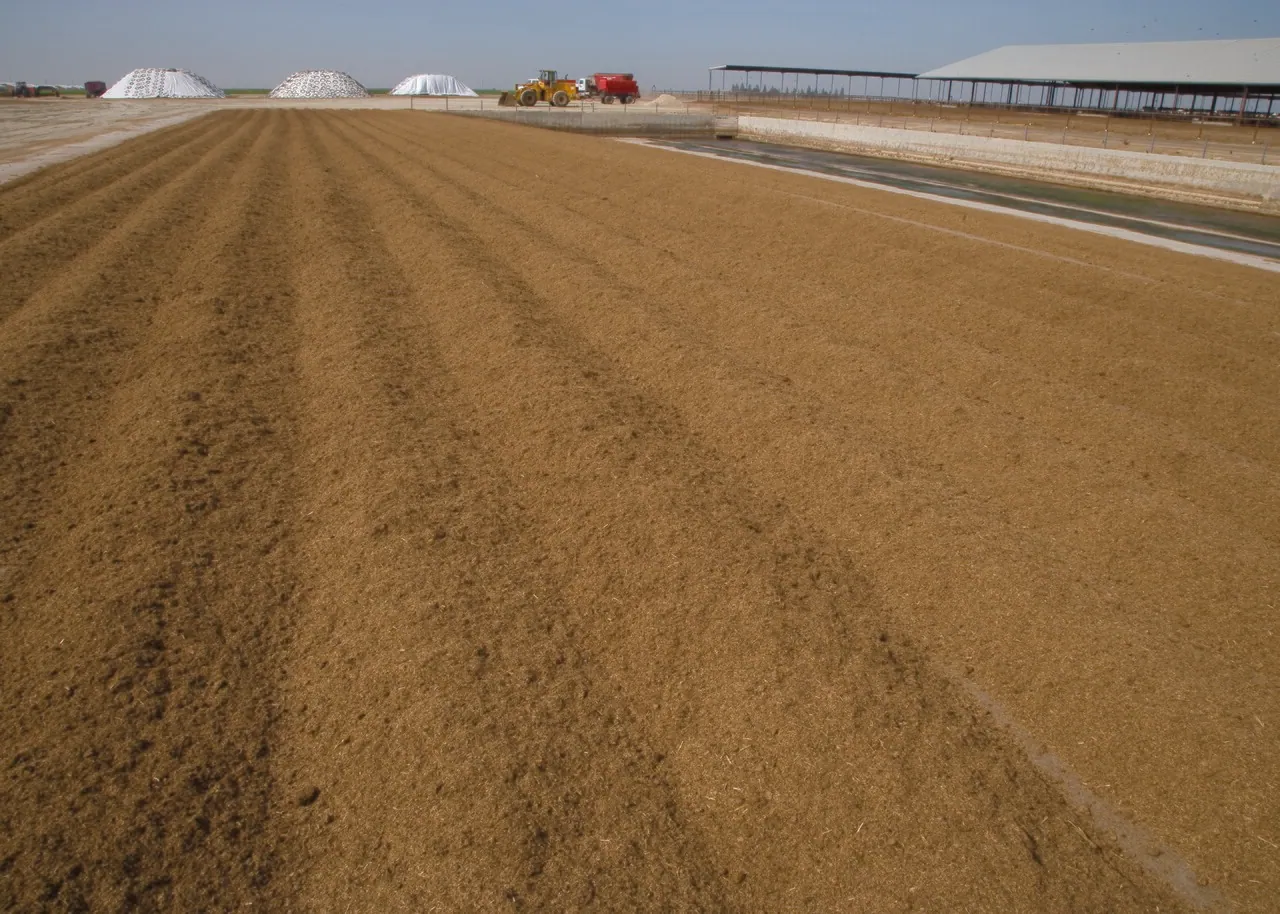
What Is Organic Fertilizer?
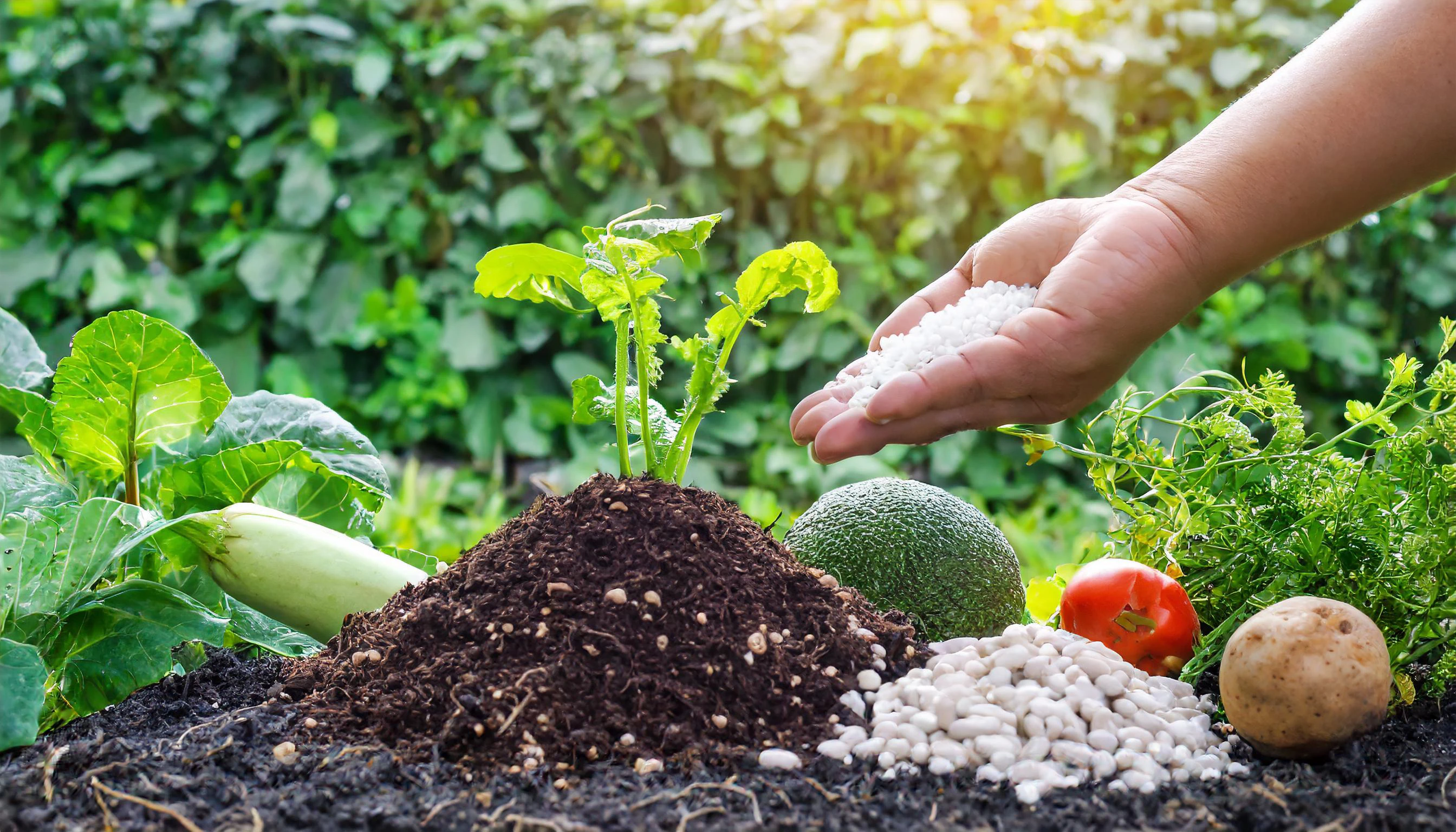
Organic fertilizer is fertilizer made from natural sources such as animal manure, plant residues, compost and seaweed. It feeds plants and also adds organic matter, which improves soil structure. Compared with synthetic fertilizers, it releases nutrients more slowly and benefits the soil over a longer period.
The simplest natural and organic fertilizers need little or no processing: animal manure, green manure (cover crops turned into the soil), seaweed and compost. Wood ash is also used in small amounts; it raises soil pH, so it suits acidic soils only.
The Importance of Organic Fertilizer
Synthetic fertilizers supply nutrients quickly, but when too much nitrogen is applied, the excess can wash into rivers and groundwater. In Europe, the EU Nitrates Directive limits how much nitrogen from manure farmers can apply in areas at risk of nitrate pollution, to protect water quality.
Organic fertilizers add organic matter that feeds soil life, improves soil structure and helps soil hold water. They are not risk-free either: any fertilizer, organic or synthetic, can cause runoff when it is over-applied. The right amount, matched to a soil test, matters most.
Applications of Organic Fertilizer
Agricultural Production
- Organic fertilizer for vegetables: natural nutrient support for crops such as tomatoes, peppers, eggplants, strawberries, grapes and apples.
- Grain production: wheat, barley and corn benefit from the organic matter that compost and manure add to the soil.
- Legumes: beans, lentils and chickpeas fix much of their own nitrogen, so they need less nitrogen fertilizer than most crops; organic matter still improves the soil they grow in.
Ornamental Plants and Landscaping
- Organic fertilizer for grass: used on lawns, ornamental trees, shrubs and flowers.
- Organic lawn care: compost topdressing supports steady grass growth while improving soil structure.
- Landscaping projects: adds organic matter to newly planted areas.
Greenhouse Cultivation
- Compost and other organic inputs are used in growing media for vegetables, fruits and flowers grown under cover.
Seedling and Sapling Cultivation
- Mature compost in potting mixes supports young plants grown from seed and saplings such as fruit trees.
Certified Organic Farming
- Certified organic farms may use only fertilizers and inputs that their certification rules allow.
Soil Improvement and Erosion Control
- Organic matter helps sandy soils hold water and helps clay soils drain.
- Better soil structure and plant cover help prevent soil loss.
Homemade Organic Fertilizer
Making your own organic vegetable fertilizer at home is cheap and reduces waste. Examples include:
- Compost from kitchen scraps and yard waste.
- Crushed eggshells as a slow source of calcium.
- Banana peels, which add small amounts of potassium as they break down.
- Used coffee grounds, which add organic matter to compost.
Organic Fertilizer Machines and Composting
Traditional composting works well but takes weeks to months. Sites with daily food waste, such as restaurants, hotels, campuses and farms, can compost on site with a machine. OCTOEN's commercial composters run a 12-24 hour composting cycle that produces fresh compost, used as a soil amendment and organic fertilizer. They apply the needed recipe automatically for oily or wet waste and reduce food waste volume by up to 90%. From the ECO-130 KSN up, built-in odor filtration keeps them odorless.
At home, a kitchen composter such as the ECO-05 KSN turns kitchen scraps into a soil amendment.
How to Use Organic Fertilizer
- In vegetable gardens, mix it into the soil before planting.
- For fruit trees, apply once or twice a year.
- For potted plants, use smaller amounts more often.
Choosing the Best Organic Fertilizer
There is no single best organic fertilizer. Soil, crop and climate all affect the choice. Start with a soil test, which shows what your soil lacks, then choose an organic fertilizer that fills that gap. Buy from producers who state the nutrient content clearly.
The Key to Sustainable Agriculture
Whether you are a farmer or a home gardener, organic fertilizer helps build healthier soil. Used at the right rate, store-bought or homemade, it supports a cleaner, more sustainable food system.
First published on octoen.com.
All news and blog posts