Benefits of Compost for Gardens and Farms
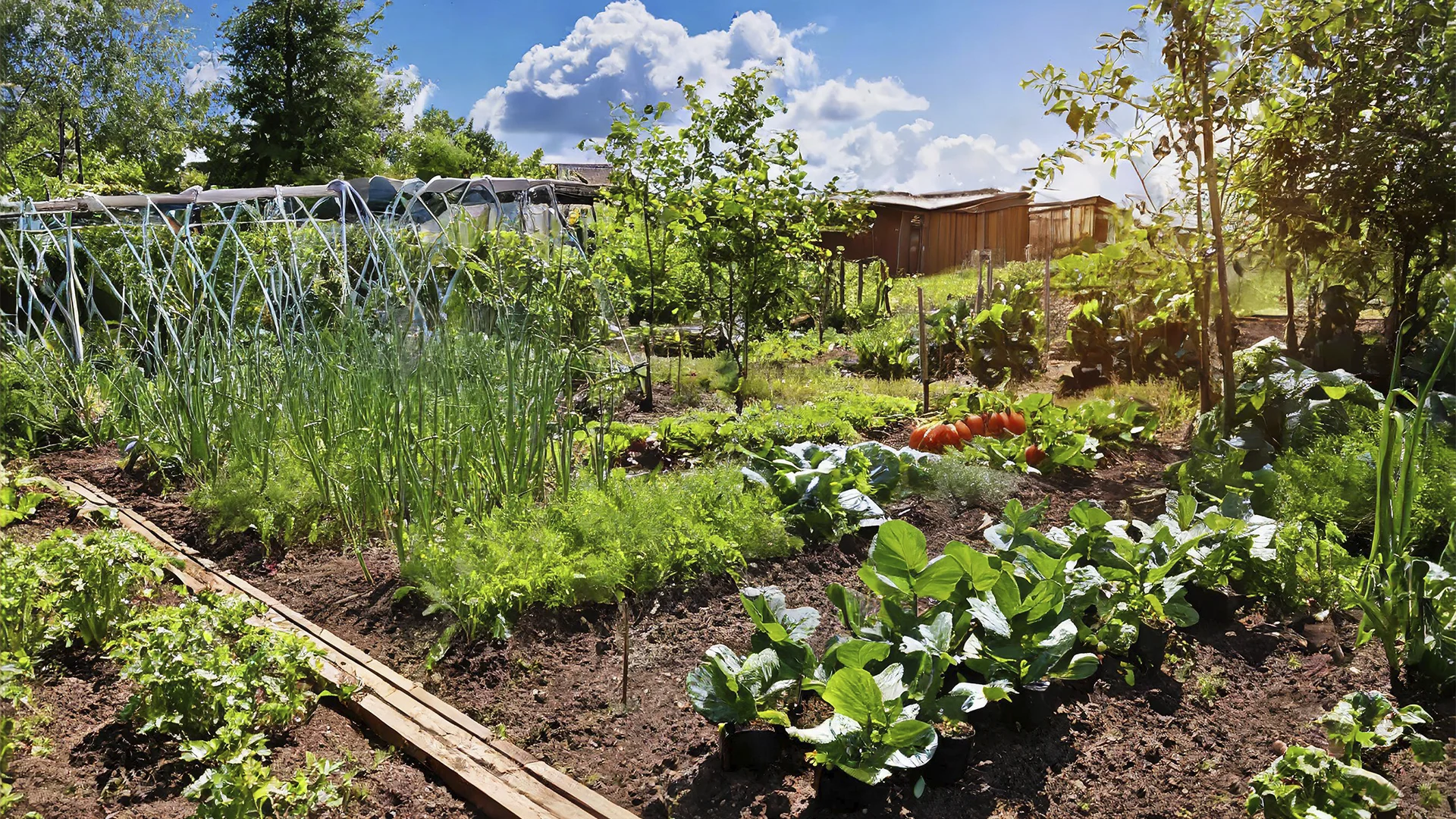
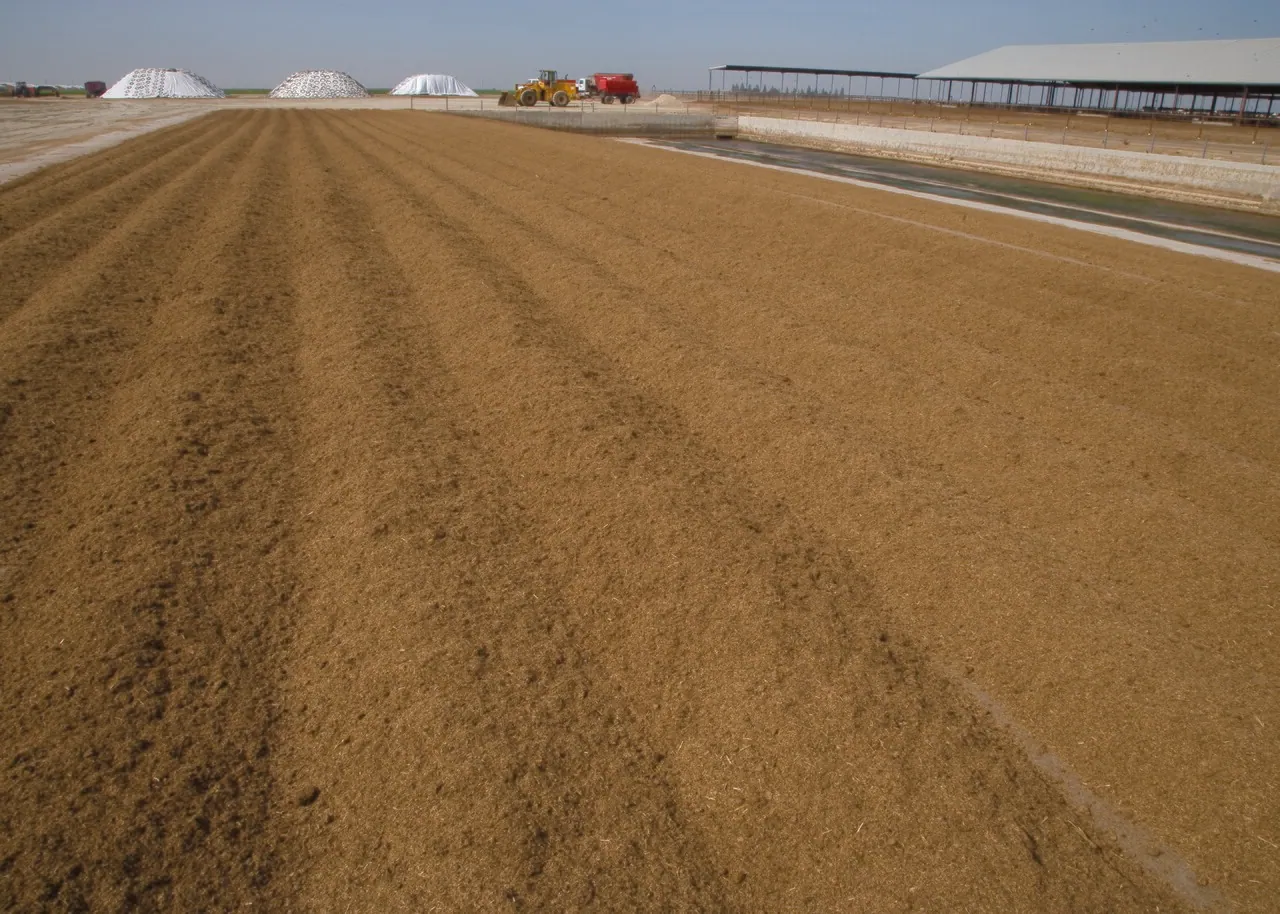
Compost is organic matter that microorganisms have broken down into a stable, crumbly material. Gardeners and farmers use it as a soil amendment and as an organic fertilizer. Interest in natural and organic growing keeps rising, and compost is one of the simplest ways to build healthier soil.
A note on words: in English, "manure" means animal dung. Compost can include manure, but most compost is made from food scraps, yard trimmings and other plant material. This article is about compost.
You may be interested: What Are the Benefits of Composting
Contribution to Soil Nutrition
Compost releases nutrients slowly as it keeps breaking down in the soil. It contains nutrients such as nitrogen, phosphorus and potassium, plus smaller amounts of micronutrients. The amounts are modest, so compost often works best alongside other fertilizers matched to a soil test.
Compost also improves soil structure. In sandy soil it helps hold water; in clay soil it helps loosen the soil and let air in. Plants then reach water more easily during dry spells.
Mature compost carries a large and varied population of microorganisms. These organisms keep breaking down organic matter and help make nutrients available to plant roots.
Supporting Plant Health
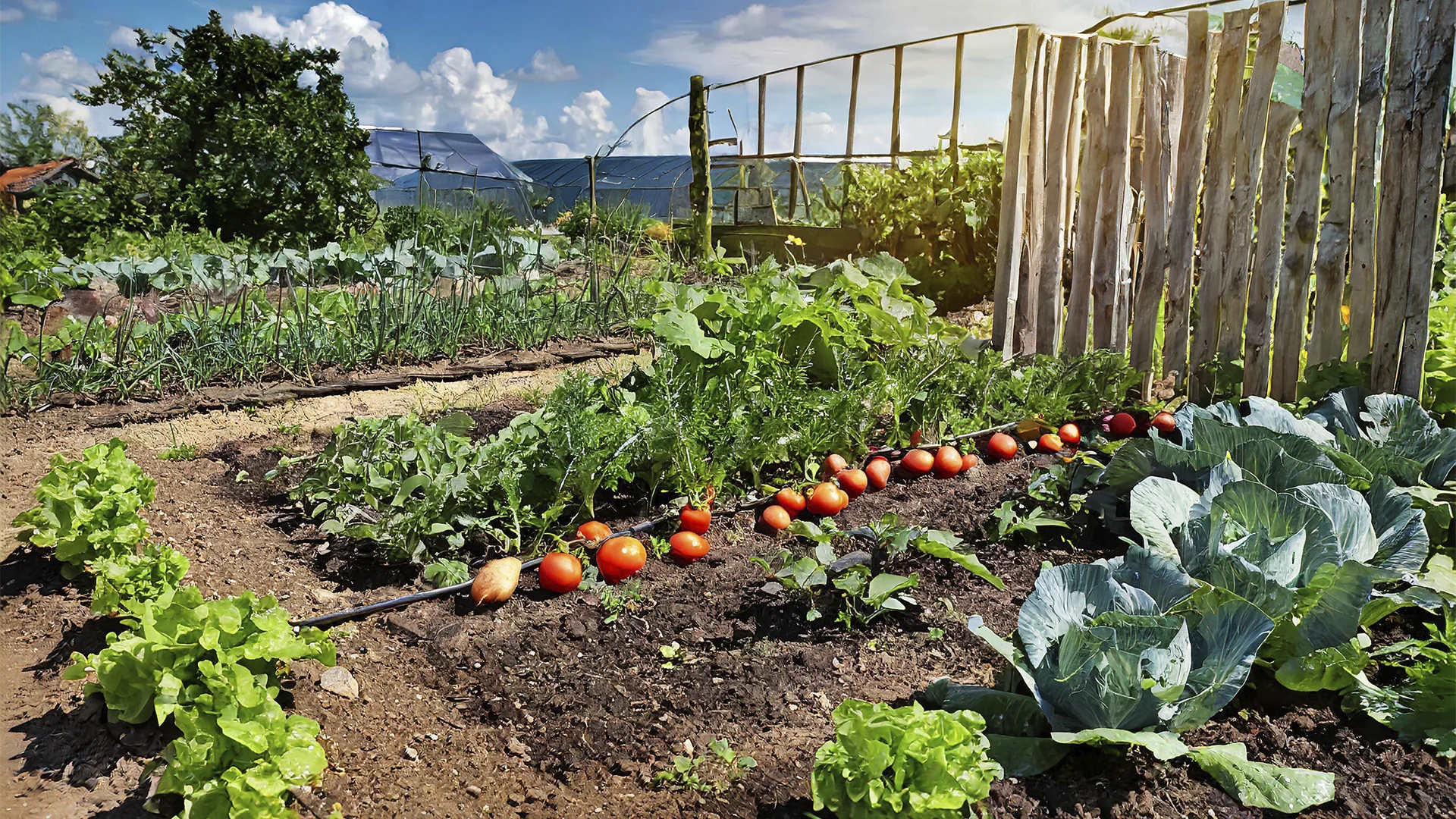
Healthy soil supports healthy plants. Better structure lets roots spread, more water stays within reach, and nutrients are released over time instead of all at once. Together, these effects help plants grow steadily.
Balancing Soil pH Values
Soil pH affects how well plants take up nutrients. Compost can help buffer soil pH, which means it softens swings toward acidic or alkaline conditions. It does not replace lime or sulfur when a soil test shows that pH needs a real correction.
Helping Keep Soil Life in Balance
Compost can help suppress some soil-borne plant diseases, mainly by supporting a diverse community of soil organisms. It does not prevent pests and fungal problems on its own, so good crop rotation, spacing and watering still matter.
Compost and Chemical Fertilizers
Synthetic fertilizers supply nutrients quickly and in exact amounts. Compost works more slowly, but it also adds organic matter, which synthetic fertilizers do not. Many growers use both: compost to build the soil and targeted fertilizer where a soil test shows a shortfall. Used this way, compost can reduce the amount of synthetic fertilizer a garden or field needs.
Where Kitchen Composters Fit
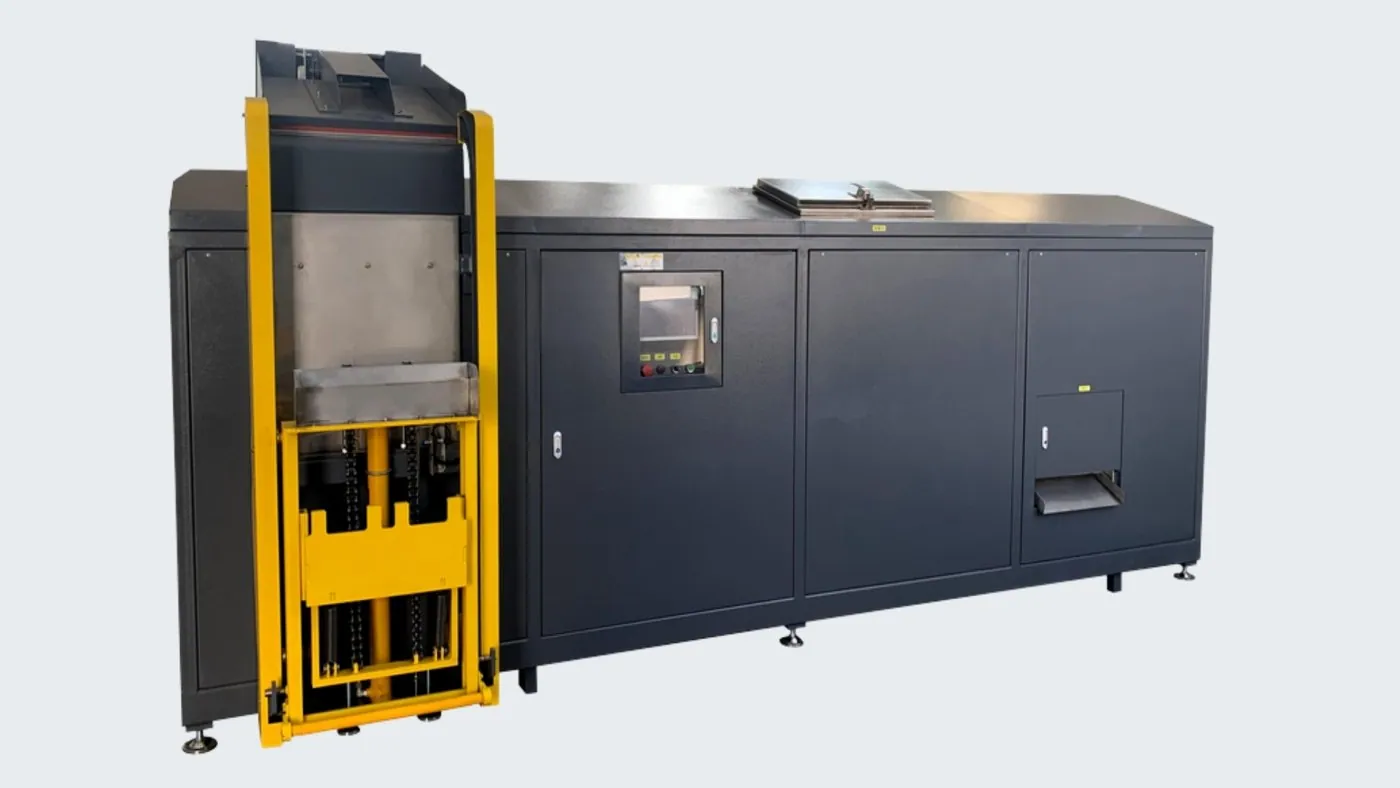
An electric kitchen composter such as the ECO-05 KSN works differently from a compost pile. This countertop unit uses heat, grinding, cooling and UV-C to break down 90% of the waste in its 3 L bin. The remaining 10% is a soil amendment you can mix into potting soil or garden beds. For restaurants, schools and other sites with more food waste, OCTOEN's commercial composters run a 12-24 hour composting cycle that produces fresh compost.
First published on octoen.com.
All news and blog posts