REgenera Chile: New Waste Agenda Launched at Talca Composting Plant
AI-generated illustration
On September 10, 2026, Chile's Ministry of the Environment launched REgenera Chile, the National Circular Economy Agenda that will set the direction of the country's waste policy. Environment Minister Francisca Toledo presented it in Talca, in the Maule Region, at the opening of a municipal composting plant. The ministry puts its capacity at up to 24 metric tons (about 26 US tons) of organic waste a day; SUBDERE, the regional development office, gives up to 20 metric tons a day, 10 from market plant waste and 10 from shredded city prunings.
What REgenera Chile sets out
The agenda rests on three pillars:
- Rules that work (Reglas que Funcionan): the extended producer responsibility law (REP) and the laws on plastic bags and single-use plastics should work together. The ministry plans proposals to harmonize them and will move ahead with processing and updating the REP decrees.
- Chile plans circular (Chile Planifica Circular): a National Plan for Circular Waste Infrastructure, in response to the pressure on the country's landfills, and a program to certify 800 grassroots recyclers a year, doubling the total from 3,500 to 7,000. The national goal is a 40% overall recycling rate. The ministry also lists the push for an organic waste valorization project among the enabling projects.
- Circular monitoring (Monitoreo Circular): a National Circular Economy Dashboard with public data by region, plus an indicator platform for decision makers.
The Talca plant
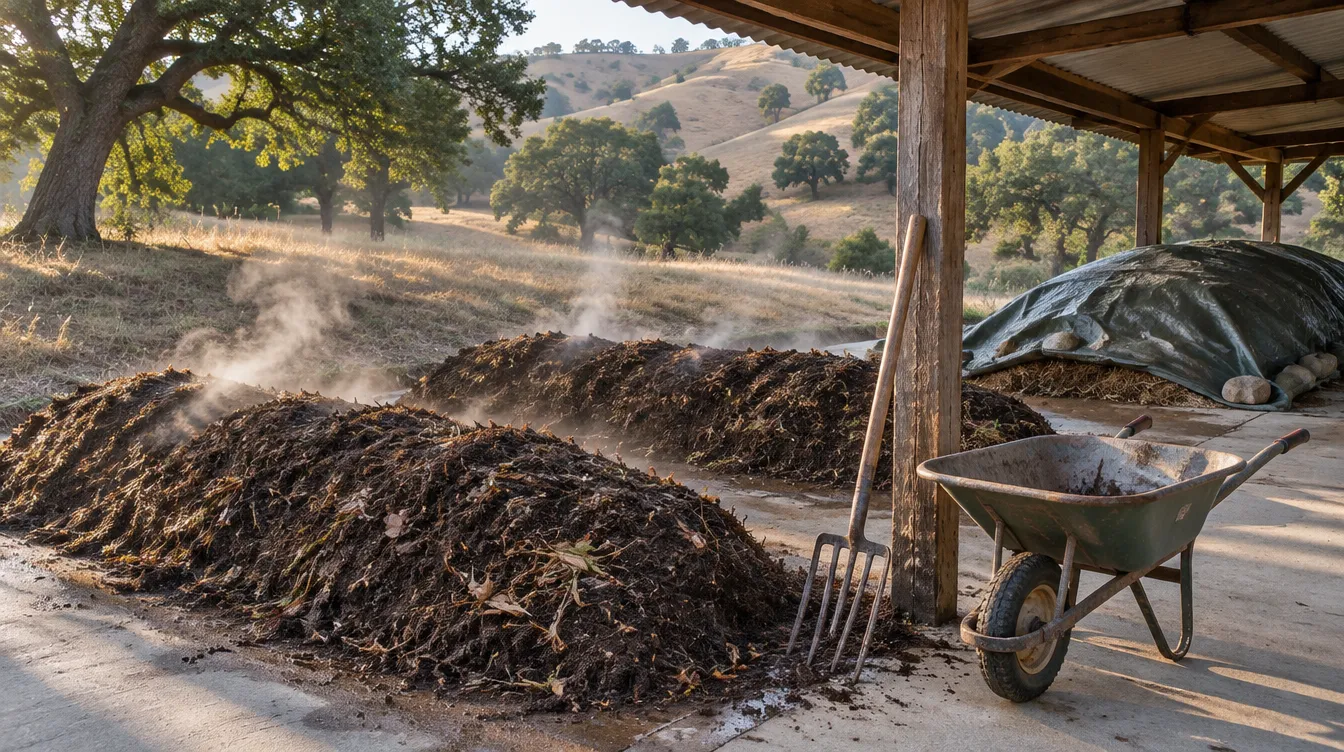
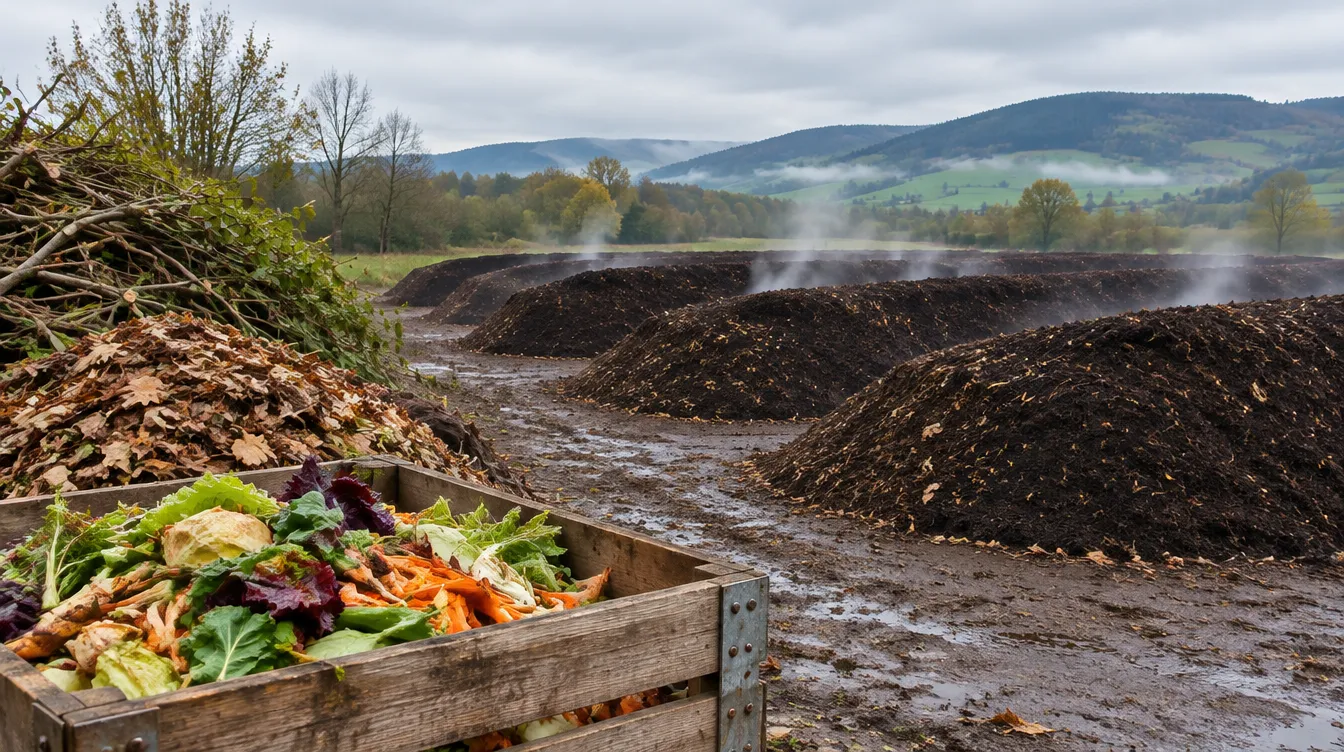
The plant sits on 1.2 hectares (about 3 acres) of municipal land in the Huilliborgoa sector. It will take organic waste from the Macroferia de Talca market and from the upkeep of municipal green areas, waste that today goes to the El Retamo landfill. It uses controlled aerobic composting in aerated piles. SUBDERE, the Maule Regional Government and the Chile-Canada agreement led by the ministry funded the project.
What it means for organic waste generators
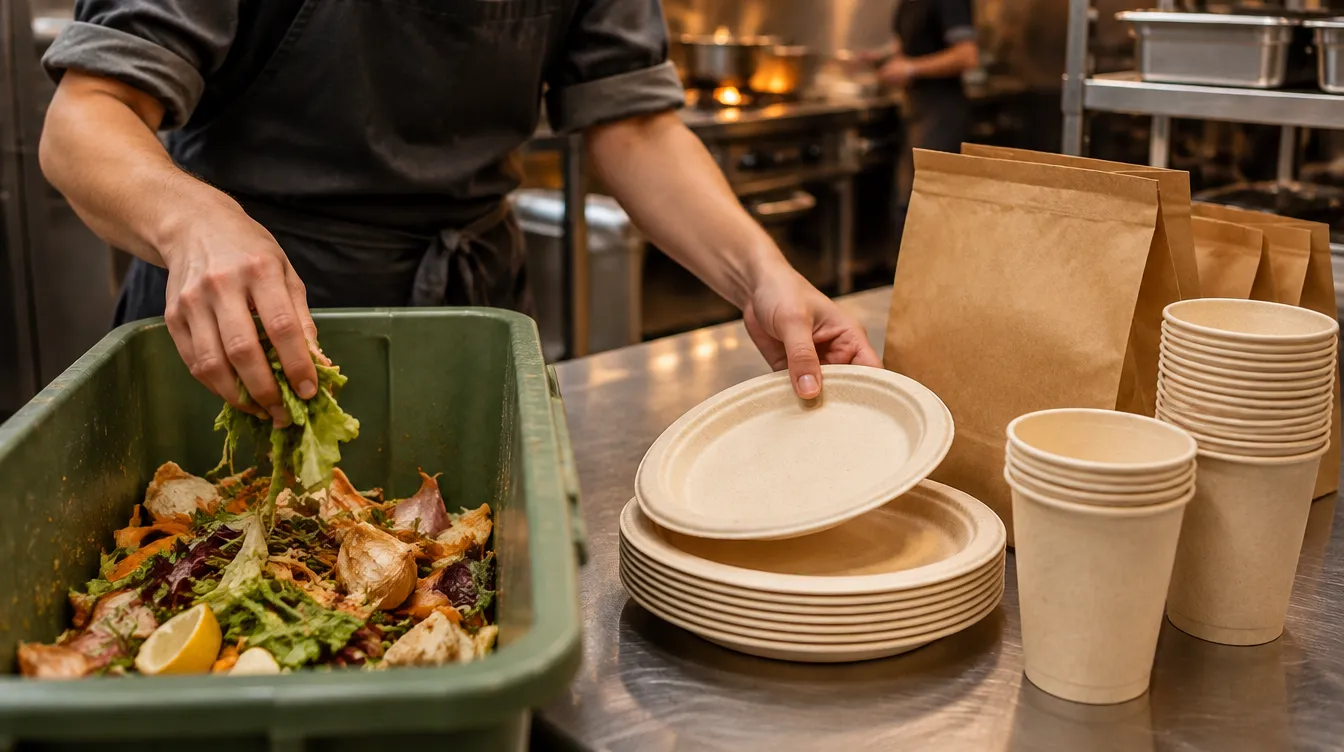
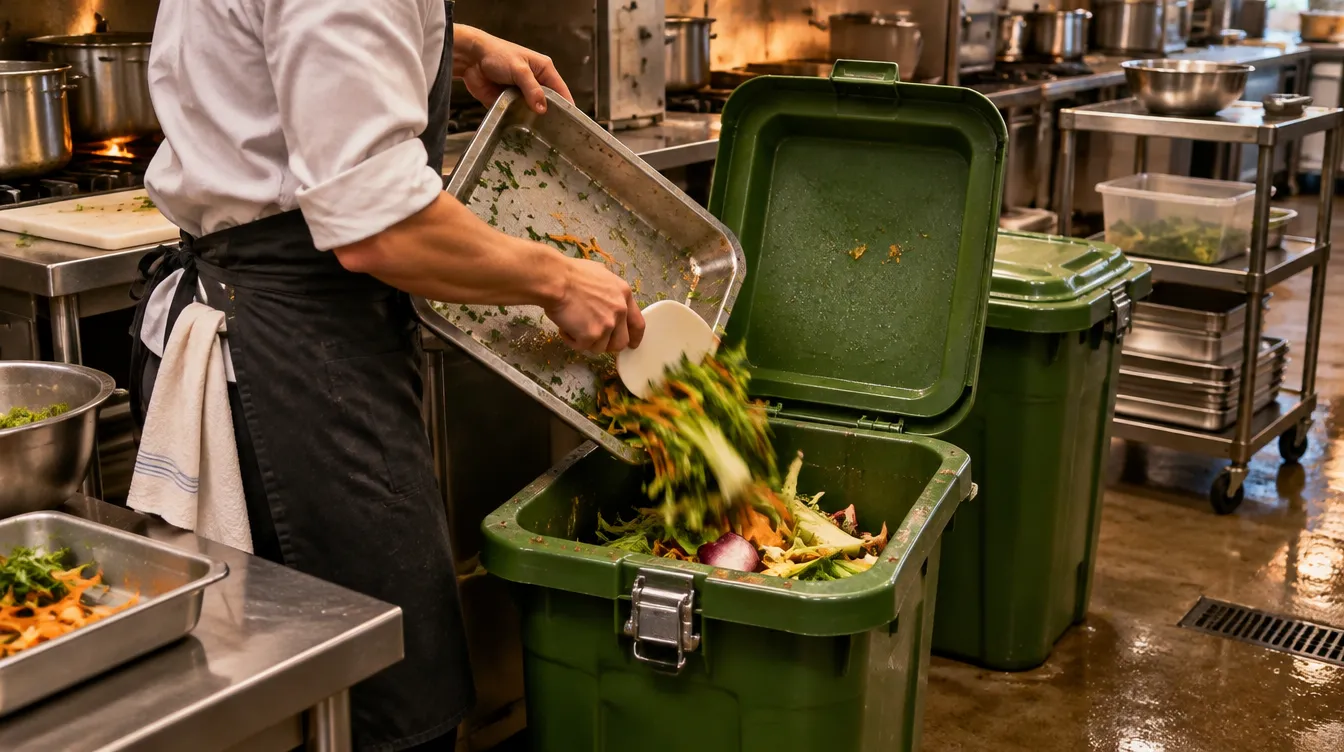
Organic waste now has a named place in Chile's national waste agenda. For sites that produce food waste every day, such as hotels, campuses, food plants and mining camps, treating it where it is produced cuts truck trips to the landfill. OCTOEN has assembly, installation and service facilities in Chile, and Grünenthal's pharmaceutical plant composts its organic waste with an ECO-130 KSN. Our composters run a 12-24 hour composting cycle and reduce volume by up to 90%.
See our composting systems for sites that generate organic waste every day.
Frequently asked questions
What is REgenera Chile?
REgenera Chile is Chile's National Circular Economy Agenda, launched by the Ministry of the Environment on September 10, 2026. It rests on three pillars: rules, infrastructure planning and monitoring.
What recycling target does REgenera Chile set?
The agenda sets a national goal of a 40% overall recycling rate. It also aims to double the number of certified grassroots recyclers from 3,500 to 7,000.
How much organic waste will the Talca composting plant process?
The Environment Ministry puts it at up to 24 metric tons a day; SUBDERE gives up to 20 tons, half market plant waste and half city prunings. The plant uses controlled aerobic composting in aerated piles.
Written by the OCTOEN team.
All news and blog posts